
 Fact Checked


Highlights
- Good matcha tastes sweet and savory with a soft, grassy finish, not harsh or swampy.
- Color tells you a lot. Bright jade green usually means younger, shade-grown leaves.
- Matcha pairs caffeine with L-theanine, which is why the energy tends to feel calmer than coffee.
- We compared flavor, mixability, sourcing details, and real buyer feedback across six options.
- Kaffico Ceremonial Matcha Powder came out on top for its silky texture and how well it works hot, iced, or in a latte.
Overview
That second cup of coffee. The one that makes your hands a little shaky and your mood a little short by early afternoon. Sound familiar?
Matcha is what many of them switch to. It still has caffeine, but it also has L-theanine, an amino acid found in tea leaves. People who drink it often say they feel awake and clear-headed, just without that on-edge feeling. That’s a big part of why matcha has become so popular.
The problem is that not all matcha is good matcha. A good tin gives you a bright green cup that tastes smooth and a little sweet. A poor one looks olive-brown, tastes bitter or grassy, and stays lumpy no matter how long you whisk. And a higher price doesn’t always mean better quality. To sort this out, we bought six popular matcha powders and made each one three ways: hot, iced, and as a latte. Here’s what we found.
What Is Matcha Powder?
Matcha is simply the green tea in a whole new form. The tea plants are shaded for a few weeks prior to picking and the shade encourages the leaves to produce more chlorophyll and L-theanine. The leaves are picked, steamed, and dried, and then stripped of stems and veins and ground into a very fine powder between granite stones.
That is the part of it aside from a normal cup of green tea that makes it so special. A tea bag is used to brew the tea and then discarded. Matcha is a powdered tea where the entire tea leaf is consumed as a beverage. Therefore the taste is more intense, and the caffeine is more potent.
Mostly you will have to read two labels on the shelf. Ceremonial grade is typically gathered from the first harvest of younger leaves, and is intended to be diluted with water and consumed straight away. Culinary or latte grade can be a bit more bitter and designed to withstand milk, sugar and baking. There are no official legal standards behind either term, however, so the label alone isn’t a guarantee.
How We Researched and Selected the Best Matcha Powders?
Methodology
All of the matcha listed below has undergone a preparation process that takes several weeks, and all three methods of preparation are practiced: with hot water, iced, and as a latte using dairy milk and oat milk. A single cup of information is not enough, so we made multiple cups of each powder and saw how they compared.
We also studied the sourcing information, verified buyer reviews on each brand’s site and the biggest retailers, and compared price per gram. It was found that powders with obvious region, grade, and processing information garnered more trust than those that were vague.
Criteria for Evaluation
- Flavor and Balance: We searched for natural sweetness and savory umami, but not too bitter. A cup that required sugar to drink would have lost points.
- Colour and Freshness: The bright green powder indicates that the leaves are younger and are in better condition. If the product is yellowish/dull color against it, then counted against.
- Texture and Mixability: We observed how easy each powder whisked or frothed, and if there were any grit or clumps in the bottom of the glass.
- Source Transparency: Region, cultivar, harvest and grinding method were all significant. The more a brand tells us, the better.
- Value for Money: Not only the price on the tin but also value for money was compared (cost per gram and cost per serving).

Expert’s Advice on Matcha Powder
Mia Syn, M.S., R.D.N., a registered dietitian nutritionist and author of Mostly Plant-Based, explains that matcha contains epigallocatechin gallate (EGCG), a powerful antioxidant that helps protect the body’s cells from damage caused by free radicals. She adds that some studies suggest matcha “may improve insulin sensitivity,” which could help regulate blood sugar and lower the risk of type 2 diabetes.
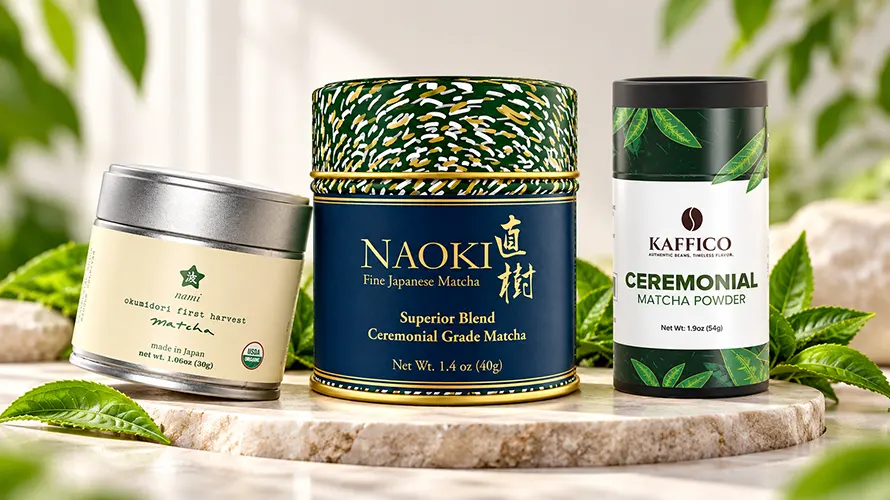
Our Health Insiders research team’s top pick is Kaffico Ceremonial Matcha Powder. It’s stone-ground from shade-grown Japanese leaves, whisks up silky with very little effort, and tastes just as good poured over ice with milk as it does sipped plain. Want a mellow Uji matcha at a gentler price? Naoki Matcha Superior Blend is worth a look, and Nami Matcha Okumidori is an option for anyone set on a USDA organic, single-cultivar tin. Full breakdowns, pricing, and testing notes are below.
Why Trust Health Insiders?
Matcha has gone from niche to everywhere in just a few years, and the shelves have filled up fast. Some of what’s out there is excellent. Some of it is old, poorly stored, or blended down with lower-grade leaf and sold at a ceremonial price.
Every product here was judged on the same things: what’s actually in the tin, how clearly the brand explains where it came from, what buyers say after weeks of use, and how it performed when our tester prepared it again and again. Good packaging and clever marketing didn’t earn anyone a spot.
We lean on published research rather than brand claims when we talk about benefits. And since matcha supply has been tight lately and pricing keeps shifting, we come back and update this page as things change.
Put simply, we want to save you from buying three tins to find one you like.
Our Top Picks
Best Matcha Powder Brand: Kaffico Ceremonial Matcha Powder
 Read The Reviews
Healthiest Matcha Powder: Naoki Matcha Superior Ceremonial Blend
Best Organic Ceremonial Matcha Powder: Nami Matcha Okumidori First Harvest Matcha
Best Matcha Powder for Lattes: Rocky’s Matcha Ceremonial Blend Matcha
Best Matcha Green Powder: Jade Leaf Matcha Latte Mix
Best Matcha Powder for Beginners: Ippodo Tea Sayaka Matcha
Best Matcha Powders of 2026
Kaffico Ceremonial Matcha Powder – Best Matcha Powder Brand
Overall Rating:

*All the prices listed here are as they appear on their websites and are subject to change.
- Whisks into a silky, clump-free cup with a naturally sweet, umami-rich taste.
- Made from shade-grown Japanese tea leaves that are traditionally stone-ground.
- Holds its flavor and color whether sipped plain, poured over ice, or blended into a latte.
- Delivers a calm, steady kind of energy thanks to matcha’s natural L-theanine.
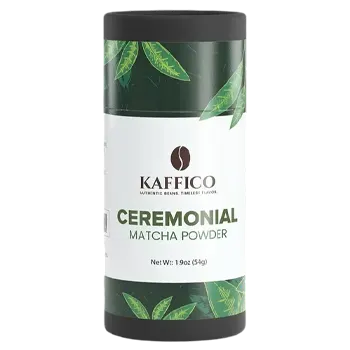
Kaffico Ceremonial Matcha Powder is built for people who want real ceremonial matcha without making a project out of it. The leaves are shaded before harvest, then slowly stone-ground into a vivid green powder that tastes sweet and savory first, with only a soft earthy note at the end. It’s just as happy in a quiet morning bowl as it is in a tall iced latte on the way out the door.
- Form: Fine powder
- Type: Ceremonial-grade matcha green tea
- Benefits: Provides antioxidant support, promotes calm and focused energy, and offers a smooth, naturally sweet drinking experience
- Brand: Kaffico
- Grade: Ceremonial
- Active Ingredient: 100% stone-ground matcha (Camellia sinensis)
- Leaf Origin: Shade-grown green tea leaves from Japan
- Price: $35.00* (1.9 oz / 54 g bag)
Pros
- Sweet, umami-forward flavor that doesn’t need sugar to taste good
- Silky texture that whisks or froths smoothly with very little grit
- Works equally well hot, iced, and in dairy or oat milk lattes
- Gluten-free, vegan, and non-GMO with no added fillers
- Generous 54 g bag, which makes the price per gram lower than most ceremonial tins on this list
- Subscribe-and-save options cut the cost by up to 20%
Cons
- Tastes best when sifted first, so a small strainer helps
- Freshest within about three months of opening
Smooth Matcha for My Morning Ritual
The matcha has become a really enjoyable part of my morning routine. I like its fresh, smooth character and how easy it is to prepare when I want something different from coffee. – Caleb T.
Energizing and Smooth, Kaffico Matcha Is a Winner
I feel calm and energized after drinking this matcha. It’s a great way to start my day. – Emma J.
Kaffico Ceremonial Matcha Powder takes the top spot because it gets the basics right and keeps getting them right. It’s smooth, naturally sweet, easy to whisk, and versatile enough for every way people actually drink matcha today. Add a bigger bag at a friendlier price per gram, and it’s the easiest matcha on this list to recommend for daily use.
Why We Ranked It #1
We hold every matcha to the same tasting and sourcing standards, and Kaffico pulled ahead because its flavor stayed consistent no matter how our tester prepared it.
What Stood Out About This Product
- Shade-grown leaves and traditional stone grinding, both clearly stated
- Natural sweetness and umami that carried through milk instead of disappearing
- Fine, silky texture that whisked up frothy in seconds
- Clean label: one ingredient, no fillers, no added sugar
- Strong verified customer rating with lots of positive reviews
- Better value per gram than most ceremonial options we tested
A lot of matcha that tastes great plain goes flat once you add milk, and a lot of latte-grade powder is too bitter to enjoy on its own. Kaffico manages both, which is rare at this price.
Expert Evaluation
Reviewed by the Health Insiders Nutrition Research team
The team looked at the grade, growing method, processing, label transparency, preparation guidance, and verified buyer feedback, and compared how the powder performed side by side with the other products on this list.
Our Findings
What sets Kaffico apart is balance. The sweetness and umami sit up front, while the grassy, earthy side stays in the background instead of taking over. That balance held up in an iced latte, where several other ceremonial powders we tried lost most of their character. The powder also kept its bright green color in the cup, a good sign of shade-grown leaves and careful storage.
What Our Tester Says
Nathalia Rocha, the tester of Kaffico Ceremonial Matcha Powder, had been looking for a way to shake up her usual coffee habit, so she started making iced matcha lattes at home. The first thing she noticed was the color, a deep, lively green that told her the quality was there before she even tasted it. She sifted the powder into a bowl, added a splash of warm water, and whisked it with a bamboo whisk until it turned smooth and lightly foamy. Then she filled a glass with ice, added milk, and poured the matcha over the top, watching it swirl down into the milk before giving it a quick stir. Her verdict: creamy, refreshing, and a nicely balanced lift in energy that felt easier on her than her usual coffee.
Iced Matcha Latte Recipe — Easy Homemade Version | Video Credit: Kaffico Official YouTube Channel
Ingredient Quality 4.8/5
Nathalia notes the powder whisked up silky and clump-free, with a vivid green color that showed its quality right away.
Formula Transparency 4.7/5
According to Nathalia, the label keeps it simple: one ingredient, the grade, the growing method, and clear preparation steps.
Safety Profile 4.8/5

Gluten-free, vegan, and free from additives or fillers, this matcha felt gentle enough to fit into a daily routine.
Naoki Matcha Superior Ceremonial Blend – Healthiest Matcha Powder
Overall Rating:
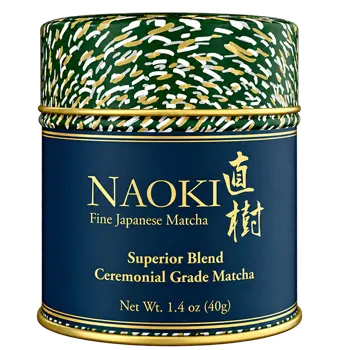
- First-harvest ceremonial matcha grown and made in Uji, Kyoto.
- Low bitterness with a mild touch of umami and a smooth mouthfeel.
- Positioned by the brand as a starting point for people new to matcha.
- Meant to work for both plain tea and lattes.
Naoki Matcha’s Superior Blend is built around being easy to like. Instead of chasing deep, savory intensity, it stays mellow and soft, which makes it approachable for anyone who has been put off by bitter matcha before. The brand itself suggests a touch of sweetener to bring out its fuller flavor, so it leans more toward everyday lattes than slow, plain sipping.
- Form: Fine powder
- Type: Ceremonial-grade matcha green tea
- Benefits: Provides antioxidant support, promotes calm alertness, and offers a mellow, low-bitterness cup
- Brand: Naoki Matcha
- Grade: Ceremonial, first harvest
- Active Ingredient: 100% matcha green tea
- Leaf Origin: Uji, Kyoto, Japan
- Price: $24.99* (1.4 oz / 40 g)
- Where to Buy: Amazon
Pros
- Uji origin and first-harvest leaves clearly stated
- Gentle, low-bitterness flavor that’s easy for beginners
- Friendly starting price compared with most ceremonial tins
- Available in three bag sizes
Cons
- Umami is lighter than in more premium ceremonial blends
- Brand recommends a little sweetener to round out the flavor
- Latte recipe calls for 2 to 2½ teaspoons, so a bag goes faster
- Product page carries a California Prop 65 warning
- Free shipping only applies to orders over $50
Smooth and Beginner-Friendly
The matcha has a mild flavor with very little bitterness, which works well in my morning latte. On its own, though, I find the taste a little light. – Hollis W.
Good Value for Everyday Lattes
I like the price and how easily this matcha fits into my daily routine. It mixes well with milk, but I prefer a richer, more pronounced flavor when drinking matcha without sweetener. – Quincy F.
Naoki Matcha Superior Blend earns its place as an easygoing, budget-conscious Uji matcha for people who mostly make lattes. It’s smooth and rarely bitter, but the flavor is on the lighter side, so anyone hoping for a rich, savory cup on its own may find it a bit thin.
Why It Earned a Spot on Our List
It cleared our checks on origin, grade, and drinkability, though it didn’t match the depth of our top pick.
What stood out about this product to us
- Clear Uji, Kyoto origin and first-harvest grade
- Low bitterness that suits newer matcha drinkers
- Solid verified rating on the brand’s own site
Where it fell short was flavor depth. Sipped plain, it’s pleasant but quiet, and in a latte it needed more powder than our top pick to taste fully of matcha.
Expert Evaluation
Reviewed by the Health Insiders Nutrition Research Team
We reviewed the stated origin, grade, harvest, preparation guidance, label disclosures, and buyer feedback, then compared its flavor and value with the other powders on this list.
Our Findings
Whisked with water, the Superior Blend is soft and rounded, with very little bitterness and only a light savory note. That mildness is a plus for beginners. In milk, though, the flavor faded unless we used a heaping serving, and a small amount of sweetener did help it come through.
What Our Tester Says
Our tester Jocelyn made the Superior Blend as a plain usucha for the first week, then switched to iced oat milk lattes. Plain, she found it smooth and easy, with almost no bitter edge, though she wished for a little more depth. In lattes she followed the brand’s 2½-teaspoon recipe and added a small drizzle of honey, which she felt brought the flavor forward. She liked the price but noticed the bag went faster than she expected with that much powder per drink.
Ingredient Quality 4.6/5
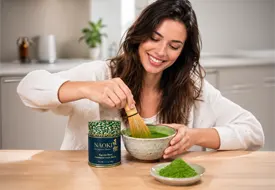
Jocelyn notes the powder whisked smoothly and tasted mellow, with very little bitterness.
Formula Transparency 4.5/5
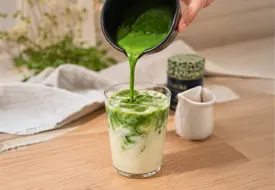
According to Jocelyn, origin, grade, harvest, and serving size are all listed clearly on the product page.
Safety Profile 4.4/5

A single-ingredient matcha with nothing added, though the product page does display a California Prop 65 warning.
Nami Matcha Okumidori First Harvest Matcha – Best Organic Ceremonial Matcha Powder
Overall Rating:
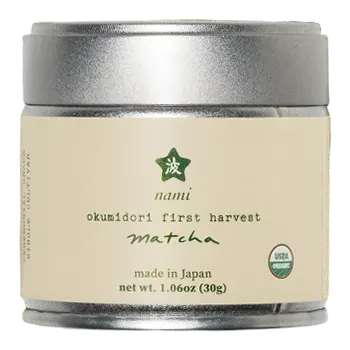
- Made from a single tea cultivar, Okumidori, rather than a blend.
- First-harvest leaves with USDA organic certification.
- Grown in Kagoshima, in the south of Japan.
- Brand describes the taste as vegetal, floral, and balanced.
Nami Matcha built its reputation largely through social media, and the name roughly means “deep green,” and the powder does have a vivid color. The brand positions it for both thick-style koicha and newcomers, and the flavor sits in a mellow, vegetal lane that some people compare to buttered steamed greens.
- Form: Fine powder
- Type: Ceremonial-grade single-cultivar matcha
- Benefits: Provides antioxidant support, promotes steady energy, and offers a mellow, vegetal flavor
- Brand: Nami Matcha
- Grade: First harvest, ceremonial
- Active Ingredient: 100% organic Okumidori matcha
- Leaf Origin: Kagoshima, Japan
- Price: $44.00* (1.6oz/30 g tin)
- Where to Buy: Amazon
Pros
- Single-cultivar matcha with a clearly stated origin
- USDA organic and first harvest
- Bright green color and smooth, mellow flavor
Cons
- 30 g tin works out to one of the highest prices per gram on this list
- A small tin goes quickly if you drink lattes every day
- Softer flavor can fade behind milk in larger lattes
- Free shipping only kicks in above $50
Works Well With Milk
Taste great with oatmilk or 2% cow’s milk. – Alix L.
Packaging Gets a Nod
Cute packaging – Samantha
Nami Matcha Okumidori is a solid choice for anyone who specifically wants an organic, single-cultivar matcha and likes a mellow, vegetal cup. The price per gram is steep for a daily latte habit, so it makes more sense as a sipping matcha than as an everyday mixer.
Why It Earned a Spot on Our List
It met our standards for transparency and quality, though value held it back from ranking higher.
What stood out about this product to us
- Single cultivar and specific prefecture listed on the page
- USDA organic certification
- First-harvest leaves with a vibrant color
What kept it lower was cost. At 30 g for $44, it’s hard to justify as an everyday latte powder when larger bags of comparable quality cost less.
Expert Evaluation
Reviewed by the Health Insiders Nutrition Research Team
We looked at cultivar and origin details, organic certification, preparation suggestions, and the brand’s verified review base, then compared price per gram and performance against the rest of this list.
Our Findings
Whisked with water, Okumidori comes across as gentle and rounded, with very little bitterness. That softness is a plus for newcomers sipping it plain. In a 12-ounce latte, though, the flavor thinned out quickly unless we added extra powder, which pushes the real cost per drink higher.
What Our Tester Says
Our tester Daniela prepared Nami Okumidori as usucha most mornings and tried it as koicha on the weekend. Plain, she liked how mild and smooth it was, with a soft vegetal sweetness and almost no bitter bite. As an iced oat latte, she found it pleasant but light, and she started using a heaping scoop to get the flavor she wanted. She noted the tin was close to empty in under three weeks with that routine.
Ingredient Quality 4.6/5
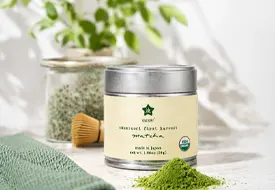
Daniela notes the powder had a bright color and a gentle, low-bitterness flavor when whisked with water.
Formula Transparency 4.5/5
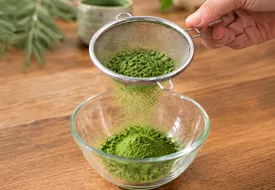
According to Daniela, the cultivar, harvest, and origin are all clearly listed on the product page.
Safety Profile 4.5/5

USDA organic with a single ingredient, though the small tin means freshness is rarely an issue.
Other Matcha Powders That Nearly Made Our List
Plenty of matcha brands are fighting for shelf space right now, and only a few made our top tier. The three below each have something going for them, but they also come with trade-offs worth knowing about before you spend the money.
Rocky’s Matcha Ceremonial Blend Matcha – Best Matcha Powder for Lattes
Our Rating
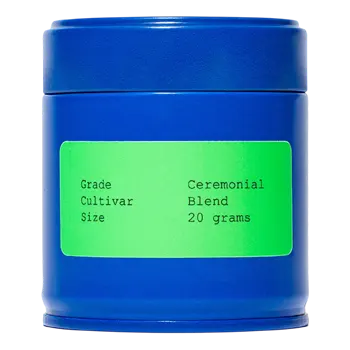
Rocky’s Matcha Ceremonial Blend mixes four cultivars, Okumidori, Saemidori, Okuyutaka, and Tsuyuhikari, all grown in Yame, a region whose matcha tends to taste a bit different from Uji. The result is rich and savory with a deep green color, and the brand openly pitches it as a latte matcha. It does stand up to milk well. The trouble is the price. At $36 for a 20 g tin, it’s the most expensive powder per gram on this list, and some buyers find the nutty, savory profile stronger than they expected.
Key Specs
- Form: Fine powder
- Type: Ceremonial-grade blended matcha
- Benefits: Provides antioxidant support, promotes steady energy, and offers a bold, savory flavor that holds up in milk
- Brand: Rocky’s Matcha
- Grade: Ceremonial (blend)
- Active Ingredient: 100% matcha from Okumidori, Saemidori, Okuyutaka, and Tsuyuhikari cultivars
- Leaf Origin: Yame, Japan
- Price: $36.00* (20 g tin)
- Where to Buy: Amazon
Rocky’s Matcha Ceremonial Blend Pros & Cons
Pros
- Bold flavor that doesn’t disappear in a latte
- Bright green color
- Clear cultivar and region information
Cons
- Highest cost per gram of any powder we compared
- 20 g tin runs out fast for daily drinkers
- Nutty, savory profile can feel heavy when sipped plain
- Free shipping only applies to orders over $85
Rocky’s Matcha Ceremonial Blend Customer Reviews
Bold Flavor for Lattes
The matcha holds up well in milk, and I like its deep green color. However, the savory taste is stronger than I expected, especially when drinking it plain. – Prescott H.
Good Quality, Small Tin
The powder works well for lattes, but the 20 g tin feels small for the price. It’s worth considering for occasional use, though I’d prefer a more affordable option for daily matcha. – Winslow D.
Summary: Rocky’s Matcha Ceremonial Blend is a capable latte matcha with a bold, savory character that milk doesn’t bury. That said, the small tin and high price per gram make it a pricey daily habit, and people who prefer a lighter, sweeter cup on its own may find the flavor a bit much.
Jade Leaf Matcha Latte Mix – Best Matcha Green Powder
Our Rating
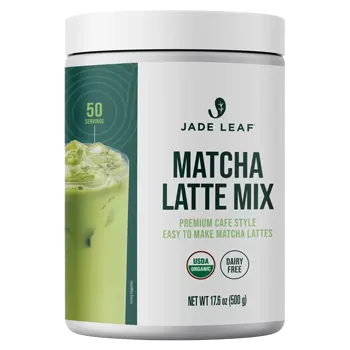
Jade Leaf’s Cafe Style Latte Mix is less a pure matcha and more a shortcut to a coffee-shop drink. It has two ingredients, organic matcha and organic unrefined cane sugar, and the matcha itself is a blend of ceremonial and culinary grades. It’s quick and easy, and the larger tubs are fairly priced. But because sugar comes first on the ingredient list, you can’t adjust the sweetness down, and the brand lists only 20 to 40 mg of caffeine per serving, so the energy lift is lighter than a straight scoop of matcha.
Key Specs
- Form: Powdered drink mix
- Type: Sweetened matcha latte mix
- Benefits: Offers a quick cafe-style latte, a mild energy lift, and a lightly sweet, smooth taste
- Brand: Jade Leaf Matcha
- Grade: Blend of ceremonial and culinary matcha
- Active Ingredient: Organic unrefined cane sugar, organic matcha green tea
- Leaf Origin: Japan
- Price: $32.99* (17.6 oz tub)
- Where to Buy: Amazon
Jade Leaf Matcha Latte Mix Pros & Cons
Pros
- Very easy to make, just mix with warm water and milk
- USDA organic, vegan, and gluten-free
- Larger sizes bring the cost per serving down
Cons
- Cane sugar is the first ingredient, so sweetness can’t be dialed back
- Mixed ceremonial and culinary grade, not pure ceremonial matcha
- Lower caffeine per serving than plain matcha
- Some buyers report stock-outs and damaged containers
Jade Leaf Matcha Latte Mix Customer Reviews
Sweeter Than Expected
This cafe style mix is very sweet! – Sonya
Packaging Problems
One of my cannisters arrived broken and powder spilled out into box. – Samantha M.
Summary: Jade Leaf Matcha Latte Mix is a convenient way to make a sweet, cafe-style latte at home, and plenty of buyers enjoy it for exactly that. Anyone watching added sugar or looking for the full flavor and energy of real ceremonial matcha, though, will likely find it a step down.
Ippodo Tea Sayaka Matcha – Best Matcha Powder for Beginners
Our Rating
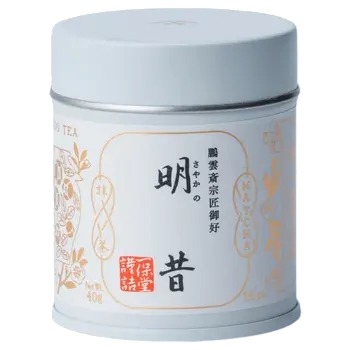
Ippodo is a family-run Kyoto tea company, and Sayaka is the blend it suggests for people new to its matcha. It sits in the brand’s rich category, with sweetness and umami followed by a light bitterness. Ippodo itself says it usually points latte drinkers toward a lighter, more astringent matcha, so Sayaka is really at its best whisked with water. At $50 for a 40 g can, it’s also one of the pricier options here, and the company recommends using it up quickly once opened.
Key Specs
- Form: Fine powder
- Type: Stone-milled ceremonial matcha
- Benefits: Provides antioxidant support, promotes calm focus, and offers a rich, smooth cup with gentle umami
- Brand: Ippodo Tea
- Grade: Ceremonial (rich category)
- Active Ingredient: 100% stone-milled matcha
- Leaf Origin: Blended and packaged in Kyoto, Japan
- Price: $50.00* (40 g can)
- Where to Buy: Amazon
Ippodo Tea Sayaka Matcha Pros & Cons
Pros
- Long-established Kyoto tea company
- Smooth, umami-forward flavor when whisked with water
- Works for both usucha and thick-style koicha
Cons
- Brand itself suggests lighter blends for lattes
- $50 for 40 g is steep for daily use
- Short shelf life once opened
- Specific growing region isn’t listed on the product page
Ippodo Tea Sayaka Matcha Customer Reviews
Smooth but Better Without Milk
The matcha has a pleasant umami flavor and mild bitterness when whisked with water. I found it less enjoyable in lattes, and the price makes it harder to use every day. – Alaric V.
Quality Comes at a Cost
I like the smooth taste and traditional preparation, but $50 for a 40 g can feels expensive. I also wish it stayed fresh longer after opening. – Blythe N.
Summary: Ippodo Sayaka is a well-made, traditional matcha that newcomers can sip plain without much bitterness. It’s less suited to lattes by the brand’s own guidance, and the price per gram plus the short window to use it up make it a harder fit for an everyday routine.
Best Matcha Powders Comparison Table (2026)
| Products | 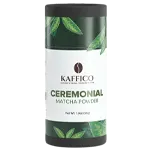 Kaffico Ceremonial Matcha Powder | 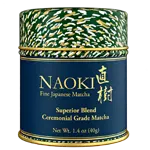 Naoki Matcha Superior Ceremonial Blend | 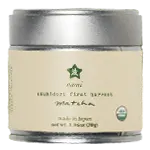 Nami Matcha Okumidori First Harvest Matcha |
| Rating | |  | |
| Cost | $35.00* (54 g) | $24.99* (40 g) | $44.00* (30 g) |
| Servings Per Bag | About 27 (2 g each) | About 20 (2 g each) | About 15 (2 g each) |
| Price Per Serving | About $1.30* (2 g serving) | About $1.25* (2 g serving) | About $2.93* (2 g serving) |
| Origin | Shade-grown leaves, Japan | Uji, Kyoto, Japan | Kagoshima, Japan |
| Best For | Everyday matcha, hot, iced, or latte | Mellow, low-bitterness lattes | Organic single-cultivar sipping |
| Recommended | Expert’s Recommended | Recommended for Value | Recommended for Organic Buyers |
| Buy | Buy Now | Buy Now | Buy Now |
How to Choose the Best Matcha Powder?
Grade and Intended Use: Ceremonial matcha is meant for sipping with water and usually tastes sweeter and smoother. Latte or culinary grade is fine for baking or heavily sweetened drinks. If you want one tin that does both, look for a ceremonial powder that holds up in milk.
Color: Open the tin and look. A bright, almost electric green usually points to young, shade-grown leaves and good storage. Dull, yellowish, or brownish powder tends to taste flat or bitter.
Origin and Transparency: Brands that name the country, region, cultivar, or harvest are giving you something to hold them to. Japan’s Uji, Yame, and Kagoshima regions are all well-known matcha areas. Vague labels with no origin at all deserve a second look.
Ingredient List: Pure matcha should list one thing: matcha. Latte mixes often add sugar or sweeteners, which is fine if that’s what you want, but it changes the flavor, the calories, and how much actual tea you’re drinking per scoop.
Freshness and Storage: Matcha fades fast once it meets air, light, and heat. Check for a sealed bag or tin, and plan to finish it within a couple of months of opening. Buying a giant bag you can’t use in time is not a bargain.
Price Per Gram: Tin sizes vary a lot, from 20 g to over 50 g. Divide the price by the grams to see what you’re really paying. Ceremonial matcha on this list ranged from well under $1 to about $1.80 per gram.
Common Compounds Found in the Best Matcha Powders
Pure matcha has just one ingredient, but that single powder carries several naturally occurring compounds worth knowing about.

L-Theanine
An amino acid found almost only in tea. Shading the plants before harvest raises its levels, which is part of why matcha tends to have more than regular green tea. A 2008 study in Nutritional Neuroscience found that L-theanine paired with caffeine improved speed and accuracy on an attention-switching task compared with placebo.[1]

Caffeine
Matcha is noticeably more caffeinated than steeped green tea. The same review notes caffeine levels in matcha of roughly 19 to 44 mg per gram of powder, so a typical serving lands somewhere between a cup of green tea and a small coffee.[2]
Chlorophyll
The pigment behind matcha’s green color. Shade growing boosts chlorophyll, which is why high-quality matcha looks so vivid and why color is a handy quick check on quality.
Theanine and Arginine Together
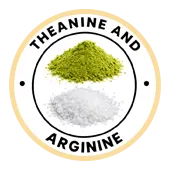
Research from Japan suggests matcha’s calming effect depends on the balance between theanine and arginine on one side and caffeine and EGCG on the other. In a small clinical trial, a favorable ratio of a matcha lowered anxiety compared with a placebo matcha.[3]
Benefits of Drinking Matcha
Calm, Steady Energy: The caffeine and L-theanine combination tends to feel smoother than coffee alone, with less of a jittery peak.
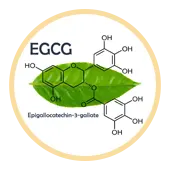
Antioxidant Support: Whole-leaf matcha delivers a concentrated dose of catechins, including EGCG.
Better Focus: Many people find matcha helps them settle into work or study without the restless edge.
A Gentler Coffee Swap: For anyone cutting back on coffee, matcha offers a lift with less caffeine per cup in most cases.
A Daily Ritual: Sifting, whisking, and sipping slowly is its own small break in the day, and plenty of people stick with matcha for that alone.
Easy to Work Into Your Diet: It goes into lattes, smoothies, overnight oats, and baked goods with very little effort.
How Does Matcha Work? What Does Science Say?
Ever notice that a strong cup of coffee can leave you buzzing, while matcha feels more like a slow climb? There’s a reason for that.
Caffeine blocks adenosine, the chemical that builds up during the day and makes you feel tired. That’s the alertness part. L-theanine, on the other hand, is linked to a more relaxed but attentive state. When the two arrive together, as they do in tea, studies suggest people get better focus on demanding tasks than they do from caffeine alone.
There’s also the antioxidant side. Matcha’s catechins, especially EGCG, have been studied for their antioxidant and anti-inflammatory activity, and because you drink the whole leaf you get more of them than from a tea bag.
Still, it’s worth keeping expectations real. A lot of the matcha-specific research is small or done in animals. Matcha is a good daily drink, not a cure for anything.
Is Matcha Safe to Drink?
For most healthy adults, a cup or two of matcha a day is perfectly reasonable. The main thing to watch is caffeine. The U.S. FDA uses 400 mg a day as a general upper amount for healthy adults, and matcha can add up quickly if you’re also drinking coffee, tea, or energy drinks.[4]
Quality matters too. Since you’re eating the whole leaf, it makes sense to buy from brands that are open about where their tea is grown and how it’s processed.
Side Effects and Who Should Be Cautious
Most people do fine with matcha, but a few issues can show up, mostly tied to caffeine or drinking it on an empty stomach:
- Jitteriness, restlessness, or trouble sleeping when taken late in the day
- Mild nausea or stomach upset, especially before breakfast
- Headaches when cutting back after regular use
- A faster heartbeat in people sensitive to caffeine
Who Should Be Careful:
- Anyone who is pregnant or breastfeeding, since caffeine limits are lower
- People with anxiety, heart rhythm issues, or high blood pressure
- Those taking stimulant medications or certain heart or blood-thinning medications
- People with low iron, since tea catechins can reduce iron absorption from plant foods when taken with meals
- Children and teenagers should avoid this
If any of these apply, a quick chat with your healthcare provider before making matcha a daily habit is a smart move.
Who Should Consider Drinking Matcha?
Coffee Drinkers Who Want Less of a Crash: If coffee leaves you shaky or wiped out by mid-afternoon, matcha is an easy swap to try.
Students and Remote Workers: Long stretches of focused work are where the calm-alert feeling of matcha tends to shine.
People Cutting Back on Sugary Drinks: A plain matcha or lightly sweetened latte can replace soda or syrup-heavy coffee drinks.
Anyone Who Enjoys a Slow Morning Ritual: Whisking matcha takes about a minute and gives the start of the day a little structure.
Home Bakers and Smoothie Fans: Matcha adds color, flavor, and a bit of caffeine to recipes without much extra work.
Final Verdict
Not every matcha is worth your money. Some powders are already stale by the time they reach you. Some taste nice on their own but get lost once you add milk. Others have so much sugar that you can barely taste the tea.
Kaffico Ceremonial Matcha Powder was our favorite overall. It’s smooth, a little sweet, easy to make, and costs less per cup than most ceremonial matcha we tried. Naoki Matcha is a decent budget pick for lattes, and Nami Matcha Okumidori suits people who want an organic matcha to sip plain.
If you’ve been thinking about swapping some of your coffee for something a bit calmer, our top pick is an easy place to start.
Frequently Asked Questions
Q: What is the difference between ceremonial and culinary matcha?
A: Ceremonial matcha usually comes from younger, first-harvest leaves and is made to be whisked with water and sipped plain. Culinary matcha tends to be more bitter and is meant for lattes, baking, and smoothies. Neither term is legally regulated, so color and sourcing details are better quality checks.
Q: How much caffeine is in a cup of matcha?
A: It depends on the grade and how much powder you use. Research puts matcha at roughly 19 to 44 mg of caffeine per gram, so a typical 1 to 2 gram serving lands between a cup of green tea and a small coffee.
Q: Is matcha healthier than coffee?
A: Not healthier across the board, just different. Matcha brings L-theanine and catechins along with its caffeine, which many people find gives a smoother lift. Coffee has its own research-backed benefits. The better choice is the one that suits your body and routine.
Q: Why does my matcha taste bitter?
A: The usual causes are water that’s too hot, too much powder, or matcha that’s old or low grade. Try water around 160 to 176°F and a freshly opened tin.
Q: Do I need a bamboo whisk to make matcha?
A: It helps, but it isn’t required. A handheld milk frother or a shaker bottle works well, especially for lattes and iced drinks.
Q: How long does matcha stay fresh after opening?
A: For the best flavor, aim to finish it within one to three months. Keep it sealed, away from light and heat, and in the fridge if the brand recommends it.
Q: Can I drink matcha every day?
A: Most healthy adults can enjoy one to two servings daily. Keep an eye on your total caffeine from all sources, and talk to your healthcare provider if you’re pregnant, have a heart condition, or take medications that interact with caffeine.
Q: What is the best matcha powder for lattes?
A: Look for a ceremonial powder that keeps its flavor in milk. Kaffico Ceremonial Matcha Powder held up best in our latte testing while still tasting good on its own.
Q: Does matcha lower testosterone?
A: Not at normal amounts, as far as research shows. Testosterone drops appeared only in animal and lab studies using high-dose green tea extracts[5], and human green tea trials found no meaningful change.[6]
Q: What can I mix matcha powder with?
A: Warm water is the classic choice. Matcha also pairs well with dairy, oat, or almond milk, ice, honey or vanilla, smoothies, and even lemonade or sparkling water.
Q: What is the best matcha powder brand?
A: In our testing, Kaffico Ceremonial Matcha Powder came out on top for its smooth, naturally sweet taste, easy mixing, and fair price per cup, whether hot, iced, or in lattes.
Q: How many grams of matcha powder should I use for a matcha latte?
A: Use 2 to 4 grams, about 1 to 2 teaspoons, for an 8 to 12 ounce latte. Start at 2 grams for a softer taste and add more for stronger flavor.

Marissa Ford
Marissa Ford is a registered dietitian and clinical nutrition expert specializing in healthy living, clinical nutrition, and personalized wellness, delivering evidence-based guidance to support long-term health.
Mia Syn, MS, RDN
Mia Syn, MS, RDN, is a registered dietitian nutritionist, television host, and cookbook author specializing in evidence-based nutrition, healthy eating, and sustainable lifestyle habits.

Nathalia Rocha
Nathalia Rocha evaluates matcha and beverage products based on color, taste, texture, preparation, and ease of use, focusing on quality and everyday enjoyment.
6 Sources
Health Insiders relies on peer-reviewed studies, academic research institutions, and medical associations. We avoid using tertiary references. You can learn more about how we ensure our content is accurate and current by reading our editorial policy.
[1] The combined effects of L-theanine and caffeine on cognitive performance and mood: https://pubmed.ncbi.nlm.nih.gov/18681988/
[2] Health Benefits and Chemical Composition of Matcha Green Tea: A Review: https://pmc.ncbi.nlm.nih.gov/articles/PMC7796401/
[3] Stress-Reducing Function of Matcha Green Tea in Animal Experiments and Clinical Trials: https://pmc.ncbi.nlm.nih.gov/articles/PMC6213777/
[4] Spilling the Beans: How Much Caffeine Is Too Much? (U.S. Food and Drug Administration): https://www.fda.gov/consumers/consumer-updates/spilling-beans-how-much-caffeine-too-much
[5] Green tea polyphenols inhibit testosterone production in rat Leydig cells: https://pmc.ncbi.nlm.nih.gov/articles/PMC3735300/
[6] A CE/TA-stratified systematic review and evidence map of matcha and green tea bioactives in endocrine stress regulation: testosterone, cortisol, and the T:C ratio: https://pmc.ncbi.nlm.nih.gov/articles/PMC13595566/
Was This Article Helpful ?
![Agree - Yes]() Yes
- No
![Disagree - No]()
 Yes


Health Insiders Team
The Health Insiders Team takes pride in bringing you the latest in nutritional research, skincare, healthy living, and wellness hacks. [Read Full Bio]
 Marissa Ford, MS, RD, LD
 See Our Editorial Process
 Meet Our Review Board




 This article changed my life!
 This article was informative.
 I have a medical question.
 Ask a Question

 This article contains incorrect information.
 This article doesn’t have the information I’m looking for.