
 Fact Checked


Immuno 150 Review – Health Insiders Images
Immuno 150, a daily nutrition supplement from Exceptional Health Products, is marketed as a broad-spectrum formula for whole-body wellness, immune support, cellular function, energy and healthy aging. With 70 plant derived trace minerals and 80 other nutritional components, such as vitamins, amino acids, antioxidants, herbs, CoQ10, Omega 3-6-9 and superfruits, the brand positions the product as more than just a regular multi-vitamin.
However, are there any true benefits of Immuno 150 over a typical multi-vitamin? Is there any evidence that plant-derived colloidal minerals are more effective than mineral forms? Are there published clinical testing or trials for the complete formula? And how should consumers understand some of the brand’s broader wellness claims?
Let’s examine Immuno 150’s formula, the research conducted on its ingredients, the claims made in the marketing of the product, and compare it to two other targeted wellness products, WOWMD VitaSun Vitamin K2+D3 and Superfood Greens Fusion.
Highlights
- Contains over 150 vitamins, minerals, amino acids, and botanical ingredients.
- Many botanical ingredients are part of proprietary blends with undisclosed amounts.
- No published clinical trials were found on the finished Immuno 150 formula.
- May help fill nutritional gaps, but stronger evidence is needed to support its premium positioning.
Immuno 150 Ingredient Analysis
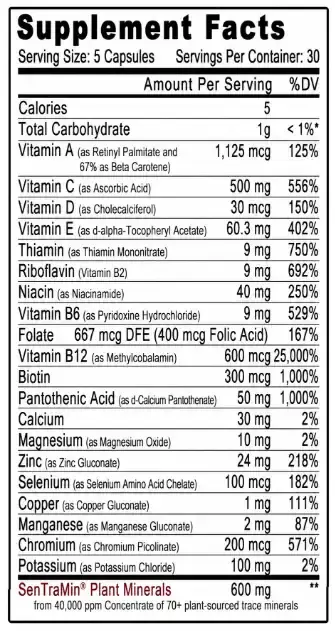
Immuno 150 Supplement Facts
Immuno 150’s dosage is 5 capsules, and the Supplement Facts panel features a wide-ranging formula that includes vitamins, minerals, plant minerals, fiber, antioxidant combinations, herbs, amino acids, and other specialty nutrients. Instead of reviewing every ingredient, we’ll focus on the parts of the label that can be evaluated most fairly.
The main standout is SenTraMin Plant Minerals, listed at 600 mg from a concentrate of 70+ plant-sourced trace minerals. While minerals are necessary to normal body function, the label does not detail the amount of each trace mineral, making comparisons to specific clinical studies difficult. This is a unique component of the formula, however, better mineral testing and dose transparency would make it easier to assess.
Immuno 150 is also rich in a number of vitamins: Vitamin C 500 mg, Vitamin D 30 mcg, Vitamin E 60.3 mg, Vitamin B12 600 mcg. According to NIH, Vitamin C is involved in normal immune activity and antioxidant activity, while Vitamin D is involved in calcium absorption and bone mineralization. These are acceptable roles for nutrients but it does not mean that a general formula will have a noticeable benefit to all users.
The dose of Vitamin B12 is particularly high at 25,000% DV. Though B12 is essential for the production of red blood cells and maintaining healthy nerve tissue, NIH notes that the supplementation of B12 makes the most sense when it’s not being absorbed or consumed in adequate amounts. You should not presume that high dose B12 is a definite energy booster in individuals who are not deficient in B12.
The mineral section contains zinc 24 mg, selenium 100 mcg, copper 1 mg and chromium 200 mcg. Zinc is required for immune function and normal metabolism and the upper limit for adults is listed as 40 mg/day as recorded in a 2024 study, so zinc from diet and other supplements should be taken into account. The NIH also reports that excessive zinc consumption over time can inhibit copper absorption.
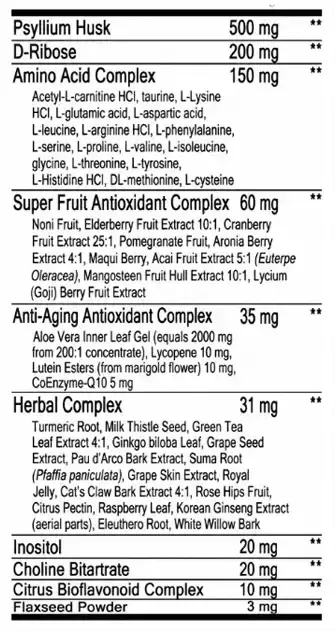
Psyllium husk Supplement Facts
The formula also contains Psyllium husk 500mg, which is a soluble fibre often researched for its cholesterol and digestive benefits. However, in a clinical study published in The American Journal of Clinical Nutrition, psyllium was used at 10.2 grams per day, far higher than Immuno 150’s 500 mg amount. It indicates that the ingredient is relevant, but the dose is not as large as that found in isolated psyllium studies.
The Anti-Aging Antioxidant Complex contains aloe vera, lycopene, lutein esters and CoQ10 5 mg. CoQ10 has human research behind it, but dose matters. A systematic review from 2022 showed that CoQ10 may have beneficial effects on fatigue symptoms, and that the higher the daily dose and the longer the person used it, the more beneficial the effects were. Immuno 150 contains 5 mg CoQ10, which is a much smaller dose than those generally used in CoQ10 research.
Overall, Immuno 150 has a broad and nutrient-dense label, but several active blends are small and not fully broken down. While the formula can be beneficial as a general wellness supplement on a daily basis, we would like to see more clinical testing done on the finished product, as well as increased clarity around the doses before this formula is considered highly researched.
Scientific Evidence
Immuno 150 promotes itself as a daily wellness foundation for energy, immune health, healthy aging, cellular function, antioxidant support, and whole-body wellness.
While several nutrients in the formula have individually been studied, we found no published clinical trials evaluating the complete Immuno 150 product.
This distinction is important.
Research on vitamin B12, CoQ10, antioxidants, omega fatty acids, or minerals does not automatically prove that a complete multi-ingredient supplement will produce the same benefits. The effectiveness of a finished product depends on ingredient dosage, ingredient form, absorption, interactions, and the user’s existing nutrient status.
For example:
Vitamin B12 is essential, but it does not typically improve energy in people who already consume enough B12.
Multivitamin research has produced mixed results. In the Physicians’ Health Study II, daily multivitamin use did not reduce major cardiovascular events in male physicians over more than a decade of follow-up.
Omega fatty acid supplement research depends strongly on dose and population, and some reviews report limited benefit for broad cardiovascular prevention at standard doses.
Plant-based antioxidant concentrates may support antioxidant status in some studies, but this does not directly prove the same outcome for Immuno 150.
Overall, the scientific support for Immuno 150 relies mostly on ingredient-level research rather than clinical studies of the finished product.
Marketing Claims That Need More Context
Immuno 150 uses several strong wellness claims across its product page and FAQ section. While supplement brands often use promotional language, we believe consumers should separate general nutrient support from clinically proven product outcomes.
High ORAC Value
The brand claims that Immuno 150:
Promotes and supports optimal health and anti-aging support with a high 42,000 ORAC value that generates sustained energy.
ORAC value measures antioxidant capacity, but while high-ORAC foods may offer anti-aging benefits according to the USDA, no clinical evidence supports sustained energy claims, and the brand provides no citation.
Capsules Are Completely Absorbed
The brand also claims that:
Made with Vegetable Cellulose Capsules that quickly dissolve for complete absorption.
The brand provides no evidence to support this claim, and it’s unclear how they can assert “complete absorption” for a supplement that lacks clinical testing to verify such a claim.
Complete Daily Nutrition Foundation
The brand says Immuno 150 is not a multivitamin but a complete daily nutrition foundation.
This claim is understandable from a positioning standpoint because the formula includes more categories than a typical multivitamin. However, “complete” can be difficult to define clinically.
A broad formula does not necessarily replace a balanced diet, individualized nutrient testing, or targeted supplementation when a specific deficiency is present. We think this claim would be stronger if supported by finished-product clinical data.
Most Customers Notice Improvements in 2 to 4 Weeks
The product FAQ states that most customers notice improvements in energy, sleep, or general wellness within 2 to 4 weeks of consistent use.
Customer feedback can be useful, but it is not the same as a controlled clinical study. Energy and sleep can be influenced by diet, routine, stress, hydration, exercise, placebo effect, and other lifestyle factors.
We would like to see this claim supported by a structured customer survey or published clinical trial.
One Bottle Replaces 5 or 6 Separate Supplements
The brand suggests that one bottle may replace what a consumer might otherwise spend on multiple supplements.
This may be reasonable for some users who already buy separate minerals, antioxidants, B vitamins, CoQ10, and omega products. However, it depends on the doses included and the person’s actual needs.
For example, someone looking specifically for a clinically studied dose of vitamin D3, K2, omega-3, or CoQ10 may still prefer a targeted supplement with clearer dosing.
Plant-Based Mineral Positioning
The brand emphasizes plant-derived colloidal minerals as a major advantage over standard minerals.
This is one of Immuno 150’s most distinctive selling points, but we did not find strong clinical evidence proving that this exact mineral system is superior to conventional mineral forms in humans.
In our opinion, this claim should be supported with transparent third-party testing and human absorption data.
Our Verdict on the Marketing Claims
Several Immuno 150 claims are based on reasonable nutrition concepts, especially the idea that minerals, vitamins, antioxidants, and amino acids play important roles in daily wellness.
However, some claims appear broader than the product-specific evidence available publicly.
We recommend evaluating Immuno 150 as a broad daily wellness supplement, not as a guaranteed solution for energy, sleep, immunity, or healthy aging. The formula is interesting, but stronger finished-product research would make the claims easier to verify.
Immuno 150 vs. Popular Wellness Supplements
Superfood Greens Fusion
Superfood Greens Fusion focuses primarily on daily greens nutrition, digestive health, antioxidants, and plant-based superfoods rather than providing a high-dose multivitamin formula.
Compared to Immuno 150, the formula is less complex, making it easier for consumers to understand exactly what they’re taking. It also includes ingredients commonly found in greens powders, such as spirulina, chlorella, digestive enzymes, probiotics, and antioxidant-rich fruits and vegetables.
Consumers looking for daily greens and digestive support may find Superfood Greens Fusion a more targeted option, while Immuno 150 is better suited for those seeking a comprehensive vitamin and mineral supplement.
Winner: Superfood Greens Fusion (for daily greens and digestive wellness)
WOWMD VitaSun Vitamin K2+D3
Unlike Immuno 150, WOWMD VitaSun Vitamin K2+D3 follows a targeted formulation strategy, combining only two clinically researched nutrients—Vitamin D3 and Vitamin K2 (MK-7)—to support bone health, calcium utilization, muscle function, and immune wellness. The formula is also free from artificial additives, gluten, and GMOs.
We generally prefer targeted supplements when the goal is to support a specific health concern. Because VitaSun contains a small number of well-established ingredients with transparent labeling, it’s much easier to evaluate than a proprietary blend containing more than 150 nutrients.
For consumers specifically looking to support bone health, healthy calcium metabolism, and Vitamin D intake, VitaSun represents a more focused approach than a broad-spectrum multinutrient supplement.
Winner: WOWMD VitaSun Vitamin K2+D3 (for targeted bone and immune support)
Pros and Cons of Immuno 150

- Contains over 150 natural nutrients for full-body support
- High ORAC antioxidant value (42,000+) for cellular protection
- Vegan, gluten-free, and free from artificial preservatives

- Higher cost per bottle compared to standard multivitamins
- Effectiveness claims rely heavily on anecdotal testimonials
- Not evaluated or approved by the FDA for specific conditions
- No clinical trials cited directly on the product website
- Refund is limited to only one bottle on first-time orders
Final Verdict
IMMUNO 150 is a mixture of more than 150 natural components whose aim is to enhance the immune system, energy and general wellness.
As much as it has rich antioxidants and a rich variety of nutrients, the supplement is slightly expensive and also lacks any clinical trials to support its claims.
Side effects such as gastrointestinal upsets are possible and effects with medications might be an issue with some users.
IMMUNO 150 may or may not work well with you: this depends on your health objectives and your budget. In case you have thought of using it, it would be advisable to discuss the possible benefits and risks with a healthcare provider.
5 Sources
Health Insiders relies on peer-reviewed studies, academic research institutions, and medical associations. We avoid using tertiary references. You can learn more about how we ensure our content is accurate and current by reading our editorial policy.
[1] Vitamin C – Health Professional Fact Sheet, NIH Office of Dietary Supplements https://ods.od.nih.gov/factsheets/VitaminC-HealthProfessional/
[2] Vitamin B12 – Health Professional Fact Sheet, NIH Office of Dietary Supplements https://ods.od.nih.gov/factsheets/VitaminB12-HealthProfessional/
[3] The Nutritional Roles of Zinc for Immune System https://pmc.ncbi.nlm.nih.gov/articles/PMC11066294/
[4] Cholesterol-Lowering Effects of Psyllium Intake Adjunctive to Diet Therapy in Men and Women With Hypercholesterolemia https://ajcn.nutrition.org/article/S0002-9165(23)07010-7/
[5] Effectiveness of Coenzyme Q10 Supplementation for Reducing Fatigue: A Systematic Review and Meta-Analysis of Randomized Controlled Trials https://pmc.ncbi.nlm.nih.gov/articles/PMC9449413/

 Strong Evidence
 Moderate Evidence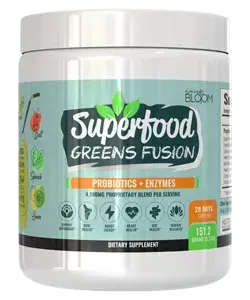




 Yes
Yes

 Brittany Ferri, MS, OTRL, CLT
 See Our Editorial Process
 Meet Our Review Board
 This article changed my life!
 This article was informative.
 I have a medical question.
 Ask a Question
 This article contains incorrect information.
 This article doesn’t have the information I’m looking for.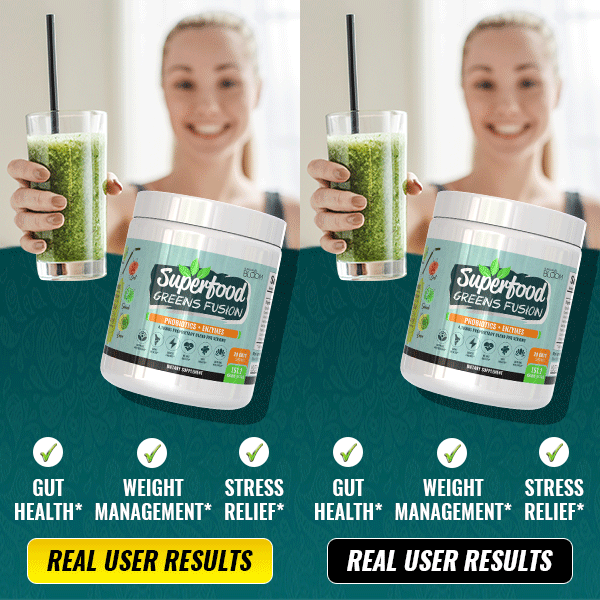
Good Nutrient Variety Yet Benefits Stayed Modest
I gave Immuno 150 enough time to judge it fairly, but the benefits remained modest. I noticed no major problems taking it, though the overall improvement was too subtle for me to feel impressed.