
 Fact Checked

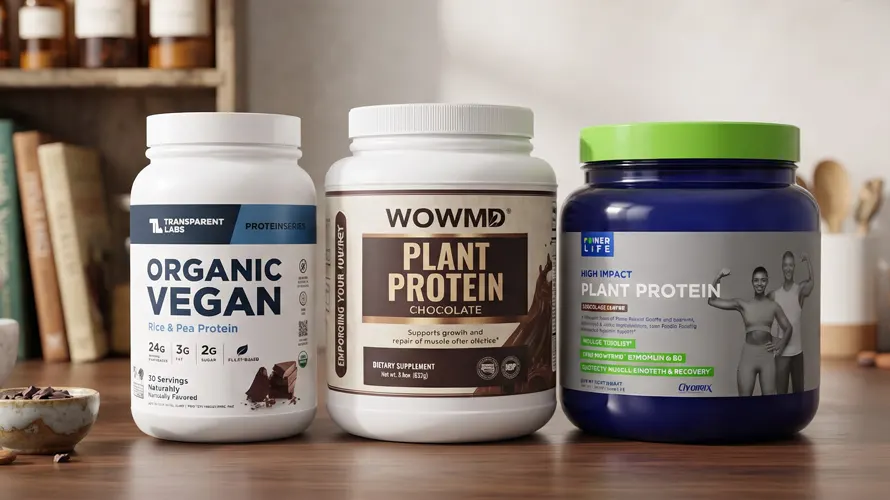
Highlights
- The best plant-based protein powders combine more than one plant source to deliver a complete amino acid profile.
- Look for brands that disclose protein per serving and publish third-party testing for heavy metals.
- Plant protein supports daily protein intake and recovery, but it works alongside meals and training, not in place of them.
- Testing compared protein quality, label transparency, taste, mixability, digestive comfort, and real customer feedback across six popular powders.
- WOWMD Plant Protein (Chocolate) stood out for pairing fava bean and fermented yeast proteins into 21 g of protein per scoop with a vegan, gluten-free formula.
Overview
The term “plant protein powder” used to refer to just one thing: a tub of pea protein that would make water look like wet sand. And honestly, that era is mostly behind us now.
Today’s plant-based powders combine several protein sources, rely on authentic food expertise for palatability, and provide a protein punch that can hold its own against whey. However, the protein section of the grocery store is crowded and not all tubs are created equal. Some use just a cheap protein source and then they’re done. Others add sweeteners and thickeners to the list of ingredients rather than ingredients that would support your body’s recovery.
We looked at what sets a quality plant protein powder apart and gathered some facts you’d probably like to know before purchasing one.
What Are Plant-Based Protein Powders?
Plant Protein Powders are protein powders that contain 100% plant-based protein; they don’t derive from casein or whey proteins found in milk. Pea protein, brown rice protein, fava bean protein, hemp protein, soya protein and fermented varieties such as nutritional yeast are all common sources of protein.
Remember that no single plant food contains all the essential amino acids in the optimal ratio, which is why the best plant protein powders mix two or more plant protein sources together – fava bean and fermented yeast protein, for example, or pea and rice.
Combining sources like that is what actually closes the amino acid gap. They’re usually packaged as a flavored powder that’s added to water, milk alternatives or a smoothie and can be consumed the same way as any protein supplement – post-workout, as a meal addition or simply as an easy way to get your protein in.
Why Are Plant-Based Protein Powders Important?
Eating less meat and dairy doesn’t mean that protein requirements are cut. For many, it can be a real task to get to a solid daily protein target by relying on a single food source like whole plant foods; lentils, tofu, beans and quinoa are all helpful, but you do need a bit of planning to get a good amount of protein from these foods. That’s where a powder earns its place.
A fast, portable scoop is what closes that gap without overhauling every meal. Plant protein has also become relevant well outside the vegan and vegetarian crowd. Many adults experience some degree of lactose intolerance, and whey protein drinks don’t always agree with their stomachs. Plant-based formulas sidestep that issue entirely, which is part of why they’ve become a mainstream pick in gyms and kitchens, not just a niche one.
How We Researched & Picked the Best Plant-Based Protein Powders?
Looks can be deceiving when it comes to a protein powder: on the surface, it may seem like a stellar option, but upon further inspection, it may not be.
Our approach is to start with the nutrition panel and ingredient list rather than marketing language.
We take into account the amount of protein per serving, primary protein sources, overall ingredient profile, added sugar, sweeteners, fiber, allergens, and available testing information. Taste and mixability are also factors since if a product is hard to drink, it is unlikely to be a regular part of someone’s routine.
The intended use is also taken into consideration. If one is training regularly, their needs may be different than the other who wants to add something to breakfast that is easy to eat. Similarly, a person with a food sensitivity might be more concerned with the list of ingredients than a couple of extra grams of protein.
So it’s not about “one size fits all. It’s about identifying products that are relevant to particular needs and what to consider before purchase.
Criteria for Evaluation
- Protein Content: We examine the amount of protein that a portion serves. A meaningful serving can be more useful than a product that relies heavily on marketing while delivering relatively little protein.
- Formula Transparency: A transparent ingredient list and simple serving details assist in understanding what you are really consuming.
- Testing: Information about testing can provide additional insight into quality and contaminant controls. When available, we consider this alongside the rest of the product information.
- Taste and Mixability: Nutrition is important but so is practicality. If the protein powder clumps together or tastes bad, it might just remain in the cupboard.
- Value: We consider the amount of protein and overall formula in relation to the cost rather than judging value solely by container size.

Expert’s Advice on Plant-Based Protein Powders
Gabrielle Gambino, a senior clinical dietitian at NewYork-Presbyterian/Weill Cornell Medical Center, explains that “it’s really helpful to add some plant-based proteins to your meal as a way to keep your heart and body healthy because many animal-based proteins are high in saturated fats.” She adds that “plant-based proteins, when incorporated into the diet correctly, can meet our daily nutrient goals just as animal-based proteins do,” pointing to their fiber, vitamins, minerals, and antioxidants as added benefits beyond protein content alone.
Our Health Insiders research team’s top recommendation is WOWMD Plant Protein (Chocolate), which stood out during testing for its fava bean and fermented yeast protein blend, 21 g of protein per scoop, and a 60-day money-back guarantee. Close behind, High Impact Plant Protein pairs a five-source plant protein blend with myHMB, vitamin D3, and digestive enzymes for added lean muscle support. Full breakdowns, pricing, and complete testing notes are below.
Why Trust Us?
Dozens of plant-based protein powders compete for attention online, and sorting the solid ones from the marketing noise takes real time. Close to 14 different powders went through testing and research for this roundup, and only six made the final cut.
Each one was checked three ways: a close read of the label and protein sources, a wide look at verified customer feedback, and hands-on testing by an actual person. Powders were used consistently for weeks, mixed in water, plant milk, and smoothies, instead of being judged on a single shake.
Brand claims aren’t taken at face value here. Where ingredients have real research behind them, that research gets cited. Since formulas and pricing change often, this list gets revisited regularly to stay accurate.
Our Top Picks
Best Plant-Based Protein Powder Overall: WOWMD Plant Protein (Chocolate)
 Read The Reviews
Best Plant-Based Protein Powder for Muscle Gain: High Impact Plant Protein
Best Tasting Plant Protein Powder Without Artificial Sweeteners: Transparent Labs Organic Vegan Plant-Based Protein
Best Plant Based Protein Powder Organic: Orgain Organic Vegan Protein Powder
Top Rated Plant-based Protein Powder: Naked Pea Protein Powder
Best Plant Based Protein Powder For Women: Truvani Organic Plant Based Protein Powder
Best Plant-Based Protein Powders
WOWMD Plant Protein (Chocolate) – Best Plant-Based Protein Powder Overall
Overall Rating:

*All the prices listed here are as they appear on their websites and are subject to change.
- Supports post-exercise recovery*
- Helps meet daily protein needs*
- Made with plant-based protein sources*
- Supports digestive wellness as part of a balanced diet*
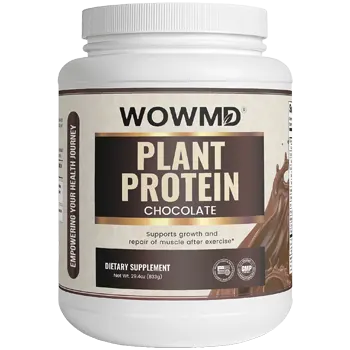
WOWMD Plant Protein (Chocolate) is a plant-based protein powder designed to support daily protein intake, post-exercise recovery, lean muscle maintenance, and active lifestyle nutrition. It combines Tendra® Fava Bean Protein Isolate with YESTEIN™ Fermented Nutritional Yeast Protein to provide 21 g of plant-based protein per serving, along with MCT oil powder and apple pectin.*
- Form: Powder
- Type: Plant-Based Protein Supplement
- Brand: WOWMD
- Benefit: Supports daily protein intake, post-exercise recovery, lean muscle maintenance, and digestive wellness*
- Active Ingredients: Tendra® Fava Bean Protein Isolate, YESTEIN™ Fermented Nutritional Yeast Protein, MCT Oil Powder, Apple Pectin Powder
- Dosage: 1 scoop (30 g) daily, mixed with 6–8 oz. of water or your preferred beverage
- Flavor: Chocolate
- Price: $71.20*
Pros
- Provides 21 g of plant-based protein per serving*
- Supports post-exercise recovery and lean muscle maintenance*
- Helps supplement daily protein intake*
- Made with fava bean and fermented nutritional yeast proteins
- Vegan-friendly and vegetarian
- Gluten-free and lactose-free
- Non-GMO
- Includes apple pectin for digestive wellness support*
- Easy-to-use powder format
- 60-day money-back guarantee
Cons
- Results and individual experiences may vary
- Chocolate flavor may not suit every preference
- Available primarily through the official website
Easy Protein After Workouts
I wanted a plant-based protein that was easy to add after training. The chocolate flavor makes it simple to keep in my routine, and I like knowing I’m getting a solid amount of protein in each serving. – Nicole M.
Convenient Daily Protein
I’ve been using this as part of my regular nutrition routine. It mixes easily, tastes good, and gives me an easy way to add more plant protein during busy days. – Gregory C.
WOWMD Plant Protein (Chocolate) is a practical option for adults looking to add more plant-based protein to their daily routine. The formula provides 21 g of protein per serving from fava bean and fermented nutritional yeast proteins while also including MCT oil powder and apple pectin.*
Based on our review, the product stands out for its plant-based protein blend, simple daily serving, vegan-friendly formula, and focus on everyday protein and fitness nutrition. It can be used after exercise or whenever additional protein is needed as part of a balanced diet.*
Why We Ranked It #1
Our Editorial Team considers each product against the same testing criteria every time. During our evaluation of WOWMD Plant Protein (Chocolate), several features helped it stand out from other plant-based protein powders.
What stood out about this product to us
- 21 g of plant-based protein per serving*
- Fava bean protein isolate
- Fermented nutritional yeast protein
- Supports post-exercise recovery*
- Supports lean muscle maintenance*
- Helps meet daily protein needs*
- Supports digestive wellness*
- Vegan-friendly formula
- Gluten-free and lactose-free
- Non-GMO
- Convenient one-scoop serving
- Chocolate flavor
- 60-day money-back guarantee
Instead of relying on exaggerated promises, WOWMD Plant Protein (Chocolate) is designed to complement a balanced diet and active lifestyle. Our review found that it works best as a convenient source of plant-based protein alongside nutritious meals, regular exercise, hydration, and appropriate professional guidance.*
Expert Evaluation
Expert-Reviewed by the Health Insiders Nutrition Research Team
Our Experts reviewed the product’s ingredient profile, protein sources, serving instructions, label transparency, manufacturing standards, customer feedback, safety considerations, and overall value.
Our analysis focused on whether the formula provides a practical way to add plant-based protein to a daily nutrition routine while maintaining clear and responsible positioning around recovery and muscle support.
Our Findings
WOWMD Plant Protein (Chocolate) offers a straightforward plant-based protein formula built around fava bean protein isolate and fermented nutritional yeast protein. With 21 g of protein per serving, it provides a convenient way to supplement daily protein intake. We also appreciate the vegan-friendly, gluten-free, lactose-free, and non-GMO positioning, making it suitable for a variety of everyday nutrition routines.*
What Our Tester Says
Our tester Grant Neil started using WOWMD Plant Protein (Chocolate) after looking for a convenient plant-based protein option to complement an active lifestyle. They appreciated the simple scoop-and-mix format, chocolate flavor, and 21 g of protein per serving.
I wanted something simple that I could use after workouts or on busy days. The chocolate flavor makes it easy to work into my routine, and I like that it gives me a convenient source of plant-based protein.
The tester also appreciated that the formula is vegan-friendly, gluten-free, lactose-free, and non-GMO, making it easy to incorporate into their existing nutrition routine.
Best Vegan Protein for Muscle Gain? | WOWMD Plant Protein Review | Video Credit:
WOWMD YouTube Channel
Ingredient Quality 4.9/5

Our tester noted that the formula uses two plant-based protein sources: Tendra® Fava Bean Protein Isolate and YESTEIN™ Fermented Nutritional Yeast Protein.
Formula Transparency 4.9/5
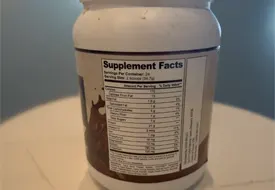
According to our review, the product clearly identifies its primary protein sources along with MCT oil powder and apple pectin powder.
Safety & Quality4.8/5

The product provides labeled serving and caution information and is positioned as part of a balanced nutrition routine.*
High Impact Plant Protein – Best Plant-Based Protein for Lean Muscle Support
Overall Rating:
*All the prices listed here are as they appear on their websites and are subject to change.
- Blends pea, rice, fava bean, mung bean, and pumpkin seed proteins.
- Adds 3,000 mg of myHMB for lean muscle support.
- Includes DigeZyme enzymes for smoother digestion.
- Sweetened only with stevia leaf extract, with no added sugar.
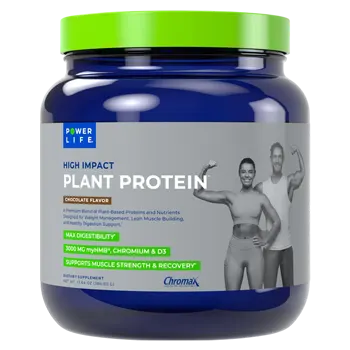
Power Life built High Impact Plant Protein around a vegan protein blend from pea, rice, fava bean, mung bean, and pumpkin seed, which the brand describes as a complete protein containing all essential amino acids. What sets it apart from a standard vegan shake is what comes alongside the protein. Each serving pairs the blend with 3,000 mg of myHMB, ChroMax chromium, Aquamin marine algae minerals, vitamin D3, and DigeZyme digestive enzymes. This combination helps nourish muscles, support strength, and preserve lean muscle, with a particular focus on adults concerned about age-related muscle loss.
- Form: Powder
- Type: Plant-Based Protein Supplement
- Benefit: Supports muscle strength, lean muscle maintenance, muscle recovery, metabolism, and smooth digestion
- Brand: Power Life
- Enzymes, ChroMax Chromium, Aquamin Marine Algae, Vitamin D3, Stevia Leaf Extract
- Flavors: Chocolate, Vanilla
- Dosage: 1 scoop mixed in 8 oz of water, almond milk, or a smoothie
- Price: $49.95*
Active Ingredients: Vegan Protein Blend (Pea, Rice, Fava Bean, Mung Bean, Pumpkin Seed), myHMB (3,000 mg), DigeZyme Digestive
Pros
- Five plant proteins in one vegan blend
- 3,000 mg myHMB for lean muscle support
- DigeZyme enzymes for smoother digestion
- No added sugar or sugar alcohols
- 90-day money-back guarantee
Cons
- Best pricing requires a multi-jar order
- Only two flavors available
- Results may vary based on the individual health condition
Highly Recommend!
I have been using Power Life’s High Impact Plant Protein for around 2 months now. The vanilla flavor is great and I find the product is easy to digest. Overall, I feel like I bounce back better after workouts when using the product and have more stamina to get through my day. I highly recommend this product to anyone who is looking for a well balanced performance shake! – Adam M.
Easy to Digest
Love the Powerlife plant based protein powder – chocolate. Definitely have more energy, feeling stronger, tastes delicious and the best part is I can digest it!! Have not tried the vanilla … maybe send a few sample packs of vanilla with a chocolate order! – Tammy G
High Impact Plant Protein earns its spot by going a step beyond a standard vegan shake. The five-source protein blend covers the basics, while myHMB, vitamin D3, and DigeZyme enzymes give the formula a clear focus on keeping lean muscle and sitting easily on the stomach. A single scoop mixes into water or a smoothie in seconds, and the 90-day money-back guarantee gives buyers time to judge the results for themselves.
Why It Earned a Spot on Our List
High Impact Plant Protein met most of the same standards as our top pick, with a slightly narrower lead on flavor range and single-jar pricing.
What stood out about this product to us
- Multi-source plant protein for a complete amino acid profile
- Branded myHMB at 3,000 mg per serving
- Vitamin D3 and Aquamin minerals for bone and muscle support
- DigeZyme enzyme blend for better nutrient absorption
- Stevia-sweetened, with no added sugar or artificial sweeteners
- Third-party tested for quality, purity, and potency
- 90-day money-back guarantee*
Most vegan powders stop at protein. Power Life pairs its plant blend with HMB, a compound the brand says helps increase muscle protein by reducing protein breakdown and supporting protein synthesis. That gives the formula a clearer purpose for adults over 40 and anyone who wants muscle support on rest days as well as training days.
Expert Evaluation
Reviewed by the Health Insiders Nutrition Research Team
Our editors reviewed the full ingredient lineup, the research behind HMB and vitamin D3, the brand’s third-party testing claims, and a broad sample of customer feedback before placing this formula.
Our Findings
The formula’s strength is its range. Blending various plant sources helps cover the amino acid gaps that single-source powders can leave, and Power Life adds DigeZyme to help break protein down for better amino acid absorption. The brand points to 50 clinical studies on HMB’s role in protein synthesis, strength, recovery, and lean muscle maintenance. Customer feedback is also positive, with a good star rating across and buyers often mentioning easy digestion, steady energy, and better recovery after workouts.
What Our Tester Says
Our tester Daniel had been using a whey shake after workouts but wanted a plant-based option after noticing regular bloating. They mixed one scoop of the chocolate flavor into almond milk each morning for several weeks. The shake dissolved smoothly in a shaker bottle without clumping, and the heavy, bloated feeling that came with their old whey routine did not return. They also found it kept them full through the morning, which made the habit easy to keep.
Ingredient Quality 4.7/5
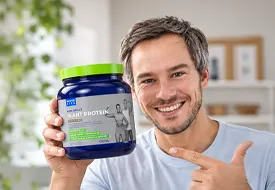
Our tester notes the five-source protein blend and added myHMB give the formula more depth than a basic vegan shake
Formula Transparency 4.6/5

According to Daniel, one scoop of the chocolate flavor dissolved smoothly in almond milk with no gritty texture and all the ingredients are properly mentioned.
Safety & Quality4.6/5

The DigeZyme enzyme blend held up well through weeks of daily use, with no bloating reported.
Transparent Labs Organic Vegan Plant-Based Protein – Best Tasting Plant Protein Powder Without Artificial Sweeteners
Overall Rating:
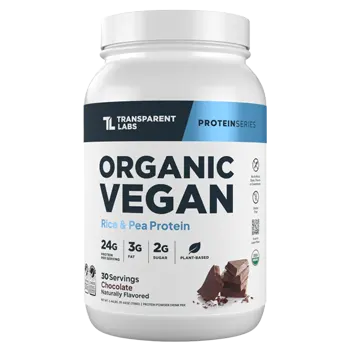
- Delivers 24g of complete protein from organic pea and rice.
- Third-party tested, with results posted online.
- Made without artificial sweeteners, colors, or preservatives.
Transparent Labs Organic Vegan Protein uses two protein sources, organic rice protein concentrate and organic pea protein isolate, which the brand says combine to cover all nine essential amino acids. It’s sweetened with stevia and comes in two flavors, Chocolate and French Vanilla. The brand publishes its third-party test results online, and the formula has no added functional ingredients beyond protein, so it suits buyers who want a basic organic protein shake.
- Form: Powder
- Type: Plant-Based Protein Supplement
- Benefit: Supports muscle recovery, muscle growth, and daily protein intake
- Brand: Transparent Labs
- Active Ingredients: Organic Rice Protein Concentrate (19 g), Organic Pea Protein Isolate (9 g)
- Protein: 24g per serving
- Dosage: 1 scoop in 8 to 12 oz of water, almond milk, or a preferred beverage daily
- Price: $49.99*
- Where To Buy: Amazon
Pros
- 24g complete protein per scoop
- Certified organic pea and rice protein
- Third-party tested, results posted online
- No artificial sweeteners, colors, or preservatives
- 45-day satisfaction guarantee
Cons
- Only two flavors available
- Some buyers find the stevia taste strong
- Made in a facility that may process milk
Smooth and Not Chalky
No chalky flavor , mixes well , smooth and enjoyable. – Ary
Easier on the Stomach Than Whey
The taste is a little different from whey, but I like that it’s dairy-free. I also don’t get that bloated feeling I sometimes had after drinking whey shakes. – Justin K.
Transparent Labs Organic Vegan Protein earns its place with a clean two-source protein base, 24g of protein per scoop, and test results anyone can check. It skips the muscle-support extras found in the pick above, and a few buyers find the stevia sweetness strong, but for a high-protein organic shake with a fully disclosed label, it holds up well.
Why It Earned a Spot on Our List
Transparent Labs held up well on label transparency and protein per serving, with a narrower edge on flavor range and guarantee length.
What stood out about this product to us
Disclosed amounts for both protein sources
24g of protein in a single scoop
Third-party tested, with certificates available online
Certified organic and non-GMO
No added sugar
Free shipping on subscription orders
The published test results are the main differentiator. Buyers can review the certificates of analysis themselves instead of relying only on the brand’s purity claims.
Expert Evaluation
Reviewed by the Health Insiders Nutrition Research Team
Protein sourcing, third-party test documents, sweetener choice, guarantee terms, and verified customer feedback were all weighed in this evaluation.
Our Findings
Pairing rice and pea protein is a common way to round out the amino acid profile of a vegan shake. On the brand’s site, about 82% of reviews are four or five stars. The most frequent complaint is the stevia sweetness, followed by a slightly grainy texture for some buyers.
What Our Tester Says
Marisol, a cycling coach who dropped whey after repeated bloating, used the chocolate flavor for four weeks. Digestive comfort improved within days. A shaker left light grit at the bottom of the cup, and blending with banana and almond milk fixed that. The stevia note stayed noticeable at the end of each glass. She kept the powder for post-ride shakes but doubted it would become her pick for everyday smoothies.
Ingredient Quality 4.3/5
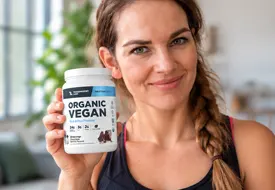
Tester Marisol notes the organic rice and pea pairing delivers a respectable amino acid spread without filler.
Formula Transparency 4.2/5
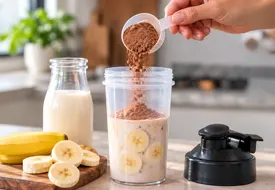
According to the tester, posted lab certificates make this one of the easier formulas to verify, though the sweetener amount is not specified.
Safety Profile 4.2/5
Free of lactose and added sugar, though the shared-facility notice matters for anyone with a serious milk or soy allergy.
Other Plant-Based Protein Powders That Nearly Made Our List
The plant protein market is crowded, and only a few formulas cleared the bar for the top ranks. The three below carry real strengths alongside clear drawbacks, so budget, taste tolerance, and protein goals should guide the choice.
Orgain Organic Vegan Protein Powder – Best Plant Based Protein Powder Organic
Our Rating
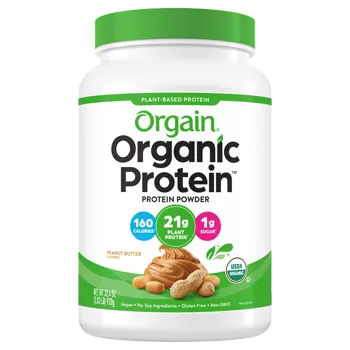
Orgain Organic Vegan Protein Powder is one of the most widely available plant proteins in the U.S., combining organic pea, brown rice, and chia seed protein for 21g per serving. It’s USDA Organic, non-GMO, and soy-free, with about 4g of fiber and under 1g of sugar per serving. The weak spot is the sweetener system. The formula uses organic erythritol and stevia, a combination that draws regular complaints about aftertaste, and a two-scoop, 150-calorie serving makes it heavier than leaner single-source powders.
Key Specs
- Form: Powder
- Type: Plant-Based Protein Supplement
- Benefit: Supports daily protein intake, muscle recovery, and digestion
- Brand: Orgain
- Active Ingredients: Organic Pea Protein, Organic Brown Rice Protein, Organic Chia Seed, Organic Acacia Fiber
- Protein: 21g per serving
- Dosage: 2 scoops in 12 to 16 oz of water, milk, or a preferred beverage
- Price: $50.00*
- Where to Buy: Amazon
Orgain Organic Vegan Protein Powder Pros & Cons
Pros
- USDA Organic and certified plant-based
- 21g protein with under 1g sugar
- Widely available online and in stores
- Lower price than most organic options
Cons
- Contains erythritol, which some people avoid
- Stevia aftertaste mentioned in many reviews
- Two scoops needed per serving
- Can turn chalky without a blender
Orgain Organic Vegan Protein Powder Customer Reviews
Decent Taste, Chalky Finish
Peanut butter flavor works fine in a smoothie but turns chalky in plain water. Protein count is reasonable for the money, though the aftertaste sticks around. – Brenda K.
Fair Value, Stomach Complaints
Cost is easy to live with, but erythritol upsets my stomach a little after the second day. Blending with banana helped. Might try the unsweetened version next. – Anthony S.
Summary: Orgain Organic Vegan Protein Powder offers organic plant protein at a price that’s hard to beat in its category. However, the erythritol and stevia blend, the two-scoop serving, and mixed feedback on aftertaste make it a better fit for smoothies than for plain shakes.
Naked Pea Protein Powder – Top Rated Plant-based Protein Powder
Our Rating
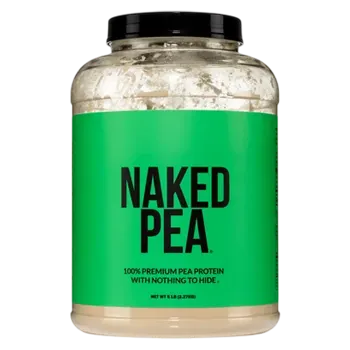
Naked Pea takes a minimalist approach with a single ingredient, yellow pea protein from U.S. and Canadian farms that’s extracted mechanically with water. Each two-scoop serving delivers 27g of protein at 120 calories, and the contents are NSF-certified for purity. That simplicity comes with trade-offs. The unflavored version has no taste of its own, buyers often describe the texture as grainy, and pea protein alone runs low in methionine, which is why the brand itself suggests pairing it with rice protein.
Key Specs
- Form: Powder
- Type: Pea Protein Isolate
- Benefit: Supports muscle growth, recovery, and daily protein intake
- Brand: Naked Nutrition
- Active Ingredients: Yellow Pea Protein
- Protein: 27g per serving
- Dosage: 2 scoops in 6 to 10 oz of non-dairy milk, water, or a preferred beverage
- Price: $57.99*
- Where to Buy: Amazon
Naked Pea Protein Powder Pros & Cons
Pros
- Single-ingredient pea protein
- 27g protein per serving
- NSF-certified contents
Cons
- Unflavored version needs fruit or flavoring
- Grainy texture noted by many buyers
- Lower in methionine than blended proteins
- Flavored versions add coconut sugar
- Carries a Prop 65 lead warning
Naked Pea Protein Powder Customer Reviews
Pure but Grainy
Simple label and no bloating, which beats the whey I used before. Texture stays gritty unless blended with banana and ice. Taste is plain and earthy. – Jordan P.
Good Protein, Needs Help on Flavor
The unflavored tub needs fruit or cocoa to be drinkable. Ingredients are clean, though a 5 lb tub is a big commitment before knowing whether the taste works – Whitney C.
Summary: Naked Pea delivers a high protein count from a single, clean ingredient at a low cost per serving. However, the grainy texture, the bland unflavored base, and an amino acid profile the brand itself suggests rounding out make it better suited to blended smoothies and baking than to quick shakes.
Truvani Organic Plant Based Protein Powder – Best Plant Based Protein Powder For Women
Our Rating
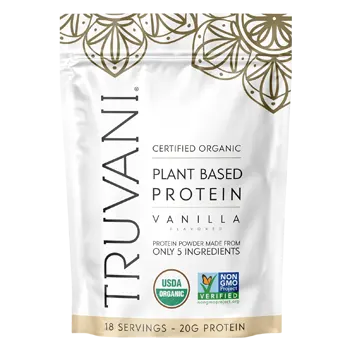
Truvani Plant Based Protein blends organic pea, pumpkin seed, and chia seed proteins for 20 g of protein per scoop, sweetened with monk fruit rather than stevia. A short ingredient list and batch-level heavy metal testing form the core pitch. The price per serving runs higher than many options here, and customer ratings are a bit mixed, so it works best for buyers who value a clean label.
Key Specs
- Form: Powder
- Type: Plant-Based Protein Supplement
- Benefit: Supports muscle repair, energy, and daily protein intake
- Truvani
- Active Ingredients: Organic Pea Protein, Organic Pumpkin Seed Protein, Organic Chia Seed Protein, Organic Monk Fruit Extract
- Protein: 20g per serving
- Dosage: 1 scoop (33.5 g) mixed with at least 8 oz of water, or added to a recipe
- Price: $59.99*
- Where to Buy: Amazon
Truvani Organic Plant Based Protein Powder Pros & Cons
Pros
- USDA Organic with selected ingredients
- Monk fruit sweetened, no stevia
Cons
- 20g protein, lower than most competitors
- About $3.00 per serving on one-time orders
- Some buyers describe the texture as less smooth than competing powders
- Label carries a California Prop 65 warning tied to trace heavy metals
- Body may not absorb the protein as fully as it does from some other powders
Truvani Organic Plant Based Protein Powder Customer Reviews
Clean Label, Not the Smoothest
The short ingredient list was the main draw. Mixing leaves a faint grit, and the flavor is mellow rather than sweet. Fine in smoothies, less pleasant shaken in water. – Danielle R.
Fair Taste, Steep Price
Chocolate tastes decent and digestion has been fine. At three dollars a serving, though, it is hard to justify over cheaper organic options. – Marcus L.
Summary: Truvani offers a short organic ingredient list and batch testing, but 20 g of protein, a high per-serving cost, and a modest digestibility score weigh against it. Buyers who prize label simplicity may find those trade-offs acceptable. Those who focused on protein per dollar may want to compare a few other options first.
Best Plant-Based Protein Powders Comparison Table (2026)
| Products | 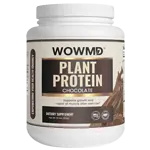 Product WOWMD Plant Protein (Chocolate) Product WOWMD Plant Protein (Chocolate) | 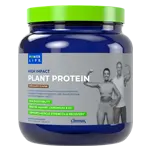 Product High Impact Plant Protein Product High Impact Plant Protein | 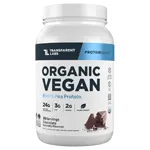 Transparent Labs Organic Vegan Protein Transparent Labs Organic Vegan Protein |
| Rating | |  | |
| Cost | $71.20* | $49.95* | $49.99* |
| Protein per Serving | 21 g | 15 g | 24 g |
| Form | Powder | Powder | Powder |
| Best For | Overall Plant Protein | Lean Muscle Support | Clean Organic Protein |
| Recommended | Highly Recommended | Expert’s Recommended | Recommended |
| Buy | Buy Now | Buy Now | Buy Now |
How Do Plant-Based Protein Powders Work?
Protein, plant-based or otherwise, gets broken down into amino acids during digestion, and those amino acids are what your body actually uses to repair muscle tissue, support enzyme and hormone production, and maintain lean mass.
The catch with plant proteins is that most individual plant sources are missing or low in at least one essential amino acid; pea protein tends to run low in methionine, for example, while rice protein is short on lysine. That’s the real gap combining sources is meant to close.
A review on plant proteins and exercise adaptation found that combining complementary sources produces an amino acid profile far closer to a complete protein than any single plant source would deliver on its own, and that when total protein intake and amino acid adequacy are accounted for, plant-based protein can support the same muscle-building signaling pathways triggered by animal protein.[1] And that’s largely why fitness-focused blends now lean so heavily on multi-source formulas instead of a single ingredient.
Key Ingredients To Look For In The Best Plant-Based Protein Powders
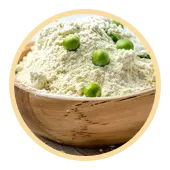
Pea Protein
Pea protein is one of the most common plant-based protein ingredients. It provides a substantial amount of protein and is frequently used on its own or alongside other plant sources.[2]
Its neutral-to-earthy flavor can vary by product, so the rest of the formulation has a noticeable effect on the finished shake.
Rice Protein
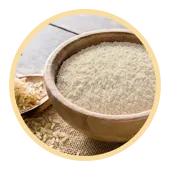
Rice protein is often combined with pea or other plant proteins. These combinations can help broaden the amino acid profile of the finished product.
Rice protein is also useful for people looking for alternatives to soy-based formulas.
Fava Bean Protein
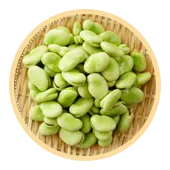
Fava bean protein has become another option in the plant-protein category.
It can be used as a standalone source or combined with other proteins. If you’ve tried several pea- or soy-based powders and want something different, fava bean formulas are worth considering.

Soy Protein
Soy is a well-established plant protein and provides all nine essential amino acids.[3]
It can be a practical option for people who tolerate soy and don’t have a reason to avoid it. As with any ingredient, individual dietary needs and allergies should be considered.
Protein Blends
Blended formulas combine two or more protein sources, such as pea, rice, lentil, or bean protein.
The purpose isn’t simply to make the ingredient list longer. Different proteins have different amino acid profiles, so combining them can create a broader overall profile.

Fiber
Some formulas contain added fiber from ingredients such as apple pectin or inulin.[4]
Fiber can be useful as part of the diet, but larger amounts may cause digestive discomfort for some people. If you are not accustomed to consuming much supplemental fiber, checking the amount per serving is worthwhile.
Benefits of Plant-Based Protein Powders
Make Protein Intake More Convenient: This is arguably the simplest reason to use one. A scoop can be added to a smoothie or mixed with water in minutes. For someone with a busy schedule, that convenience can make it easier to include protein throughout the day.
Can Support Muscle Maintenance: Protein supplies amino acids that the body uses to maintain and repair tissues. Regular resistance exercise also increases the importance of getting adequate protein as part of an overall diet.
Can Be Useful Around Exercise: After a workout, not everyone wants to prepare a full meal. A shake can be a convenient option when you want protein but aren’t ready for another substantial meal.
Work With Dairy-Free Diets: Plant protein gives people who avoid milk-derived proteins another option. There are formulas for different preferences, including vegan products and powders made without particular common allergens.
May Help With Fullness: Protein can contribute to feelings of fullness. Some powders also contain fiber, which can make a shake more substantial.
How To Choose The Best Plant-Based Protein Powders
- Check the protein source list first: A blend of two or more complementary plant proteins is almost always a better bet than a single-source powder, especially if muscle recovery is the main goal.
- Look past the front label to the actual grams per serving: Marketing copy can make a powder sound protein-packed when the actual dose per scoop is pretty unremarkable; read the supplement facts panel.
- Match the flavor and mixability to how you’ll actually use it: A powder that clumps in a shaker bottle or tastes chalky is one you’ll stop using, no matter how good the ingredient list looks.
- Factor in your digestive tolerance: If you’ve had bloating issues with plant proteins before, prioritize formulas with fiber or enzyme support rather than a bare protein isolate.
- Weigh the price per serving, not just the price per tub: A larger tub at a higher price can still be the better value; the protein dose per scoop is what actually determines that, not the sticker price.
- Confirm certifications that matter to you: Non-GMO, gluten-free, and third-party testing claims should be visible and verifiable, not just implied by the packaging.
Are Plant-Based Protein Powders Safe To Use?
For most healthy adults, plant-based protein powders are considered well-tolerated when used at the labeled serving size as part of a normal diet. The most common issue people run into is mild digestive discomfort, bloating or gas, especially with pea- or soy-based powders.
That tends to ease as the body adjusts, or improve further with formulas that include supportive fiber ingredients. Anyone with a known allergy to soy, tree nuts, or gluten-containing grains should check the ingredient panel closely, since plant protein sources vary widely by brand.
People who are pregnant, nursing, managing a medical condition, or taking medication should talk to a healthcare provider before adding any new protein supplement to their routine, and the same goes for anyone following a medically prescribed protein-restricted diet. As with any supplement, these products haven’t been evaluated by the FDA and aren’t intended to diagnose, treat, cure, or prevent any disease.
Who Should Consider Using Plant-Based Protein Powders?
Plant-based protein powders make the most sense for vegans and vegetarians who need a convenient way to close daily protein gaps, but the audience is genuinely broader than that. People with lactose intolerance or a dairy sensitivity often find plant proteins easier on digestion than whey.
Athletes and regular gym-goers who want a post-workout option without dairy can use plant protein just as effectively, provided the formula has a solid amino acid profile. Older adults focused on maintaining muscle mass and physical function may also benefit, particularly when protein intake is paired with resistance training.
And plenty of people reach for plant protein simply because they’re cutting back on animal products generally, not because they identify as vegan or vegetarian.
Final Verdict
A good plant-based protein powder isn’t defined by the word “plant-based” on the label. What actually defines it is the protein source blend, the dose per scoop, and how well the formula addresses the two things plant proteins are historically weakest on: amino acid completeness and digestive comfort.
WOWMD Plant Protein (Chocolate) checks those boxes with a fava bean and fermented yeast protein blend, a real 21-gram protein dose, and apple pectin included specifically for digestive support, backed by a 60-day guarantee that takes some of the risk out of trying it.
Whichever powder you land on, give your body a couple of weeks to adjust, stay consistent with how you use it, and loop in a healthcare provider first if you’re pregnant, nursing, or managing a health condition.
Best Diet Supplements For Weight Loss – Frequently Asked Questions
Q: Is plant-based protein powder as effective as whey protein?
A: Combining complementary sources well is what lets a plant protein formula support the same muscle-building signaling as animal-based protein, research suggests, provided total daily protein intake is adequate and the dose per serving holds up.
Q: Will plant protein powder cause bloating?
A: Some people do experience mild bloating with pea- or soy-based proteins, especially at first. Formulas that include digestive-supportive ingredients like apple pectin, or that combine protein sources, tend to be gentler on the stomach.
Q: How much plant protein powder should I take per day?
A: Most products are built around a single daily serving, often 20–30 grams of powder providing roughly 20 grams of protein, though your ideal amount really depends on your total daily protein needs and diet.
Q: Can I use plant protein powder if I’m not vegan or vegetarian?
A: Yes. Plenty of people use it for lactose sensitivity, general digestive comfort, or just to cut back on animal product intake, regardless of whether they follow a fully plant-based diet.
Q: Does plant protein powder taste worse than whey?
A: Older formulas earned that reputation, sure, but modern blends built with better protein sources and flavoring have closed much of that gap; plenty now taste close to a milk-based protein shake.
Q: Is it safe to take plant protein powder every day?
A: For most healthy adults, daily use at the labeled serving is considered well-tolerated. That said, check with a healthcare provider first if you’re pregnant, nursing, on medication, or managing a medical condition.
4 Sources
Health Insiders relies on peer-reviewed studies, academic research institutions, and medical associations. We avoid using tertiary references. You can learn more about how we ensure our content is accurate and current by reading our editorial policy.
[1] Plant Proteins and Exercise: What Role Can Plant Proteins Have in Promoting Adaptations to Exercise?: https://pmc.ncbi.nlm.nih.gov/articles/PMC8230006/
[2] The Current Situation of Pea Protein and Its Application in the Food Industry: https://pmc.ncbi.nlm.nih.gov/articles/PMC9412838/
[3] Soy: a complete source of protein: https://pubmed.ncbi.nlm.nih.gov/19145965/
[4] The Dietary Fiber Pectin: Health Benefits and Potential for the Treatment of Allergies by Modulation of Gut Microbiota: https://pmc.ncbi.nlm.nih.gov/articles/PMC8433104/
Was This Article Helpful ?
![Agree - Yes]() Yes
Yes- No
![Disagree - No]()
 Yes
Yes

Health Insiders Team
The Health Insiders Team takes pride in bringing you the latest in nutritional research, skincare, healthy living, and wellness hacks. [Read Full Bio]
 Marissa Ford, MS, RD, LD
 See Our Editorial Process
 Meet Our Review Board

 This article changed my life!
 This article was informative.
 I have a medical question.
 Ask a Question
 This article contains incorrect information.
 This article doesn’t have the information I’m looking for.