
 Fact Checked

Highlights
- Low-acid coffee is not a new coffee variety, but rather coffee that has been selected and roasted to lower the acids associated with stomach upset and that distinctive astringent and brisk flavor.
- The most important factor is roast level: low and medium dark roasts tend to have lower chlorogenic acid levels than light roasts, which is why many light roast picks are a bit darker.
- The “acidicness” of a cup is influenced by its origin, processing technique and even brewing style.
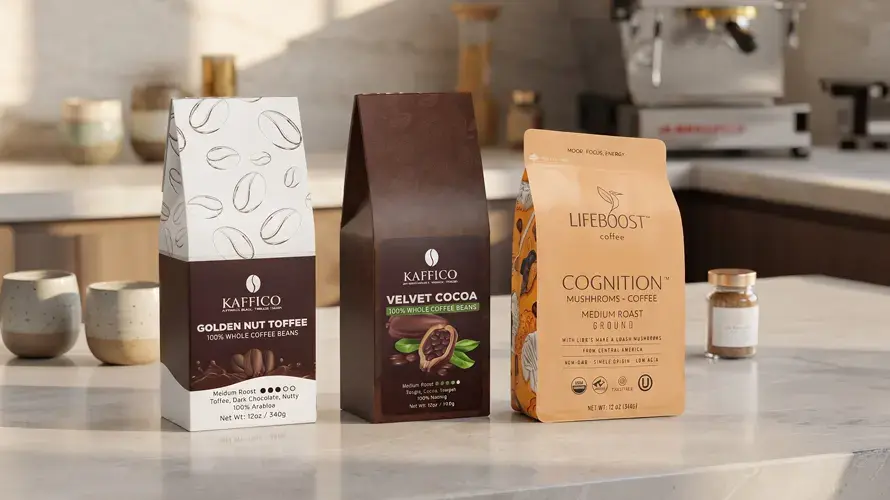
- What most brands don’t do openly is reveal the acidity level of their coffee, but Kaffico’s Velvet Cocoa coffee does.
Overview
If coffee gives you a little stomach bug, you’re not alone; it’s one of the top two complaints coffee drinkers make, behind “I want more of that.”
The great news is that the acidity isn’t a fixed feature of each bag of beans. It can change depending on origin, roast, processing, and even the way it’s brewed, so there is a pathway to a better cup without sacrificing coffee.
We dug into some popular coffees that are low acid or low-acid adjacent, reviewed roast profiles, sourcing and how each brand actually discusses acidity to help you settle on the one that will be easier on your stomach.
What Is Low Acid Coffee?
Coffee naturally has a variety and a large amount of organic acids, with chlorogenic acid being the big one that gives it that strong and sharp taste and that stomach feeling when drinking your morning cup.
“Low acid coffee” is usually used to describe coffee beans and roasts that are selected or roasted with a particular focus on minimizing the acidity of the beans, based on them being roasted darker, being from lower altitudes or lower quality origins, being processed less intensely, or a combination of all three. It is not a regulated term, and claims are quite different from brand to brand.
Some companies even provide a third-party pH test, while others merely say the coffee is “smooth.” Neither approach is automatically wrong, but it’s worth knowing the difference before you buy.
Why Is Low Acid Coffee Important?
The acidity of coffee is simply a part of the coffee experience for most people, and it is why lighter roasts are so bright and citrusy that coffee lovers cherish. For a significant number of drinkers, however, that acidity means heartburn, stomach upset or overall discomfort that leaves the daily cup of coffee more like a wager.
A low-acid coffee is the option that lets those coffee drinkers enjoy their coffee without having to sacrifice. Not only does acidity relate to taste, comfort and, for a few, real digestive effects, but it’s a genuinely useful thing to understand, not just a marketing buzzword on a bag.
How We Researched & Picked the Best Low Acid Coffee?
Methodology
All low acid coffees were tested based on what is actually in the cup rather than marketing terms such as “smooth” or “stomach friendly,” which are subjective and unquantifiable.
We focused on key factors that influence perceived acidity, including bean origin, roast level, processing, transparency, flavor profile, brewing versatility, and value. We also took into account the scientific studies that proved how coffee’s acidity is influenced by numerous factors and not just one standard measurement.
We don’t rely on marketing claims as an indicator of low acidity. Rather, we have focused on brands that provide clear information on product information, roasting details, and sourcing.
There are several methods of making low-acid coffee, such as using a specific roasting method, a specific origin, or a special processing technique. But a higher roast or higher prices do not necessarily mean lower acidity or better quality.
Criteria for Evaluation
- Coffee Quality & Origin: We looked at Arabica vs. Robusta content, roast level, and origin transparency, since quality is the foundation of any coffee.
- Acidity Positioning: We prioritized brands that explain why their coffee is low acid (roast, origin, or testing), not just those using vague terms like “smooth.”
- Roast Profile: Darker roasts may reduce certain acidic compounds, though results vary. We included medium to dark roasts to balance smoothness and flavor variety.
- Bean Origin: Origin strongly affects flavor. Brazilian coffees tend to be nutty and chocolatey, while Colombian coffees are often balanced with mild brightness. We favored clearly disclosed origins.
- Flavor Quality: We assessed body, sweetness, aroma, and balance across common brewing methods like drip, French press, espresso, and cold brew.
- Transparency: We preferred brands that clearly state bean type, origin, roast level, and any acidity-related details.
- Value: We considered price relative to quality, consistency, packaging size, and subscription options, not marketing claims alone.
 Dr. Joseph Salhab
Expert’s Advice on Low-Acid Coffee
Dr. Joseph Salhab, a board-certified Gastroenterologist known online as “The Stomach Doc,” recommends low acid coffee as a practical middle ground for sensitive stomachs, stating “for patients with GERD, acid reflux, or sensitive stomachs, I recommend switching to verified low-acid coffee rather than eliminating coffee completely.” He cautions that quality matters, adding “the key is choosing coffee that’s been properly processed to minimize acidity and is free from mold and allergen contamination… not all low-acid claims are legitimate.”
Our Health Insiders research team’s top recommendation is Kaffico Velvet Cocoa Coffee, which combines a genuinely gentle, low-acid profile with a naturally rich flavor built entirely from high-altitude Colombian Arabica. Right behind it, Kaffico Golden Nut Toffee Coffee brought that same gentle approach to a warmer, dessert-leaning cup for anyone who wants comfort food in a mug. Full breakdowns, pricing, and our complete testing notes are below.
Why Trust Us?
This guide is not a word-for-word repetition of marketing claims but rather a presentation of the actual research and factors that affect the acidity of coffee, including roast chemistry, origin, processing, and brewing technique. All the mechanisms mentioned here are based on peer-reviewed studies of coffee chemistry and caffeine safety, not on speculation.
Our testers brewed and evaluated 9 low-acid coffees, and 6 made the final cut based on flavor, sourcing, and how well each one backed its acid claims. Every pick was judged on how the brand actually reduces acidity, real verified customer feedback, and hands-on brewing done over several weeks rather than a single cup.
If the science is more complex than it appears on the label (such as the absence of a low-acid claim not indicating that it’s healthier), we’ve stated it explicitly. Our goal is to help you find a coffee that really is gentle and really tastes great, not just made to sound that way.
Our Top Picks of 2026
Best Low-Acid Coffee Overall: Kaffico Velvet Cocoa Coffee
 Read The Reviews
Best Low ACID Coffee For Sensitive Stomach: Kaffico Golden Nut Toffee Coffee
Best Low ACID Coffee Brand: Lifeboost Coffee Medium Roast
Best Low-Acid Coffee for Antioxidant Claims: Puroast Low Acid Coffee
Best Low-Acid Coffee for Bold Drinkers: Kicking Horse Coffee Kick Ass
Best Low-Acid Coffee for High-Caffeine Fans: Death Wish Coffee Dark Roast
Best Low-Acid Coffees of 2026
Kaffico Velvet Cocoa Coffee – Best Low-Acid Coffee Overall
Overall Rating:

*All the prices listed here are as they appear on their websites and are subject to change.
- Made with premium Colombian Arabica coffee beans
- Medium roast with cocoa, cane sugar, and soft chocolate notes
- Smooth, rounded, medium-bodied flavor profile
- Low to gentle acidity
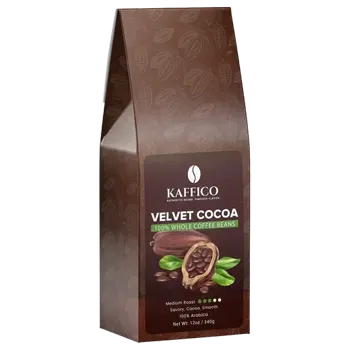
Kaffico Velvet Cocoa Coffee is a medium-roast coffee designed for people who enjoy a smooth, comforting, chocolate-forward cup without artificial flavors. Made with Colombian Arabica beans sourced from the Huila and Cauca regions, it features tasting notes of cocoa, cane sugar, and soft chocolate. The coffee is described as smooth and rounded, with low to gentle acidity, a warm chocolatey aroma, and a clean, mellow finish.
- Form: Whole bean (ground option available)
- Type: Medium-Roast Arabica Coffee
- Brand: Kaffico
- Roast Level: Medium
- Coffee Source: Colombian Arabica beans from the Huila and Cauca regions
- Key Ingredient: Premium Arabica Coffee Beans
- Benefit: Helps maintain alertness and provides natural caffeine energy
- Price: $27.55*
Pros
- Genuinely low acidity that holds up whether brewed black or with milk
- Rich cocoa flavor sourced from the bean, not sprayed on afterward
- Performs well across drip, espresso, and cold brew
- Gluten-free, vegan, non-GMO, and allergen-free
- Single-region sourcing keeps the flavor consistent bag to bag
Cons
- Flavor preferences and tolerance for coffee acidity can vary
- Individual experiences may vary
- Available primarily through the official Kaffico website
A Smooth Chocolate Experience
Velvet Cocoa Coffee offers a smooth chocolate experience. The cocoa flavor is rich, comforting, and perfectly balanced. – Emily W.
Deep, Rich, and Satisfying
This coffee is deep, rich, and satisfying. The cocoa flavor is full-bodied, smooth, and a perfect way to enjoy a comforting drink. – Niklas F.
My Everyday Comfort Coffee
Smooth, flavorful, and easy on the stomach. I keep coming back to this one. – Lauren K.
Kaffico Velvet Cocoa Coffee was selected as a strong option for coffee drinkers who prefer a smooth, medium-roast coffee with naturally chocolatey flavor characteristics. Based on our review, the product stands out for its Colombian Arabica sourcing, low-to-gentle acidity, cocoa and soft chocolate tasting notes, broad dietary-friendly standards, flexible subscription savings, and positive verified customer feedback. It may be a good choice for people looking for an everyday coffee that delivers a familiar brewing experience with a mellow, rounded body and comforting flavor profile. However, as with any coffee, individual preferences for roast level, flavor intensity, and caffeine sensitivity may vary.
Why We Ranked It #1
Our editorial team considers each product against the same evaluation criteria. During our assessment of Kaffico Velvet Cocoa Coffee, several features helped it stand out from other medium-roast coffees.
What Stood Out About This Product to Us
- Premium Colombian Arabica coffee beans
- Single-origin Colombian Arabica with a clearly documented growing region
- Smooth, chocolate-forward medium roast
- Cocoa, cane sugar, and soft chocolate tasting notes
- Warm, sweet, chocolatey aroma
- Low to gentle acidity
- Clean, mellow, lightly sweet finish
- Provides natural caffeine energy
- Helps support everyday alertness
- Suitable for espresso and several other brewing methods
- No artificial flavors mentioned
- Vegan and vegetarian-friendly
- Gluten-free and lactose-free
- Non-GMO and corn-free
- Listed as allergen-free
- Positive product-specific customer feedback
- Subscription options with savings of up to 30%
Instead of relying on added flavors to create a chocolate-like profile, Velvet Cocoa Coffee appears to focus on the natural characteristics developed through its Colombian Arabica bean selection and medium roasting process. Our review found that the product is positioned as a straightforward everyday coffee centered on smoothness, balanced acidity, and naturally sweet, cocoa-forward flavor notes.
Expert Evaluation
Expert-Reviewed by the Health Insiders Nutrition Research Team
The experts reviewed the coffee sourcing information, roast profile, flavor characteristics, brewing instructions, dietary and quality standards, customer feedback, subscription options, and overall value. Our analysis focused on whether Kaffico Velvet Cocoa Coffee provides a practical option for people looking for a smooth, approachable medium-roast coffee without unnecessary additives or exaggerated claims.
What We Discovered
Kaffico Velvet Cocoa Coffee stands out for its focus on premium Colombian Arabica beans and a medium roast designed to highlight naturally smooth, chocolate-forward characteristics. The flavor profile of cocoa, cane sugar, and soft chocolate appears well suited to coffee drinkers who prefer a mellow, approachable cup with gentle acidity. Based on our assessment, it is a practical everyday option for adults who enjoy traditionally brewed coffee with a rich yet balanced flavor profile.
What Our Tester Says
Tamar Gelashvili, the tester of Kaffico Velvet Cocoa Coffee, has struggled with an uneasy stomach on most dark roasts and usually switches to tea by early afternoon. She brewed Velvet Cocoa daily for two weeks, both hot and iced, and noticed the cocoa flavor stayed steady no matter the method, and for the first time in a while she kept drinking coffee straight through the afternoon without any stomach trouble. She credits the aroma and the natural sweetness with making it feel indulgent rather than like a “sensitive stomach” substitute.
Velvet Cocoa Coffee | Smooth, Chocolate-Rich Medium Roast for a Balanced & Comforting Cup | Video Credit:
WOWMD YouTube Channel
Ingredient Quality 4.8/5
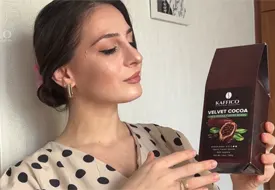
Tamar notes the cocoa aroma fills the room within seconds of brewing, and the flavor stays smooth and velvety in every cup, whether taken black or with milk.
Formula Transparency 4.9/5

Tamar found the ingredient label refreshingly short, just 100% Arabica beans with a clearly stated growing region and no vague acid-reduction language to decode.
Safety Profile 4.8/5
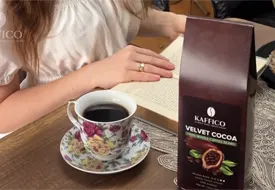
Free of artificial flavoring and common allergens, it held up across two weeks of daily brewing without a single uncomfortable morning.
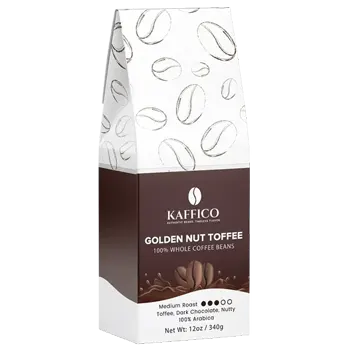
Kaffico Golden Nut Toffee Coffee – Best Low ACID Coffee For Sensitive Stomach
Overall Rating:
*All the prices listed here are as they appear on their websites and are subject to change.
- Buttery toffee and roasted-nut character developed through roast timing, not added flavoring.
- Sourced from Brazilian Arabica, a bean known for naturally low acidity and a rounder body.
- Medium roast keeps the cup smooth and dessert-like without tipping into bitterness.
- Versatile enough for drip, French press, or a milk-based drink.
Golden Nut Toffee leans into the naturally nutty, caramel-like character that Brazilian Arabica beans are known for. Kaffico roasts them to a medium profile that draws out toffee and roasted hazelnut notes on its own, while keeping acidity low enough that the cup stays comfortable even for drinkers who normally have to dilute their coffee with cream just to tolerate it.
- Form: Whole bean (ground option available)
- Type: Low-Acid, Toffee & Nut-Forward Coffee
- Roast Level: Medium
- Flavor Notes: Toffee, roasted hazelnut, light caramel
- Brand: Kaffico
- Benefit: Provides Steady Energy & Mental Clarity and Gentle on Digestion
- Bean Origin: Brazil
- Ingredients: 100% Arabica whole beans, no added flavoring
- Price: $27.55*
Pros
- Toffee and nutty notes come from the bean and roast, not an additive
- Naturally low-acid Brazilian Arabica base
- Smooth, rounded body that works well with milk
- Gluten-free, vegan, non-GMO, and allergen-free
- Strong, consistent customer ratings
Cons
- The toffee character is subtle rather than dessert-shop intense, which may surprise those expecting a stronger flavored coffee
- Whole bean format requires grinding for the best result
- Results may vary from person to person
Smooth with a Light Finish
This coffee offers a smooth texture with a light finish that’s refreshing and pleasant. The subtle richness is just enough to keep me satisfied without being overpowering. — Erika T.
Rich and sweet undertones
The richness of this coffee combined with the sweet undertones creates the perfect balance. It’s a smooth brew that’s satisfying and perfect for a morning start or a midday break. — Tobias G.
Kaffico Golden Nut Toffee Coffee earns its place by proving a naturally gentle coffee doesn’t have to taste plain. The toffee and hazelnut notes come straight from the roast and the bean, giving it a dessert-like warmth that most low-acid coffees don’t bother chasing. Combined with a genuinely low-acid Brazilian base, it’s a strong pick for anyone who wants comfort and flavor in the same cup.
Why It Earned a Spot on Our List
We hold every coffee to the same bar, and Golden Nut Toffee checked the boxes that matter most for this category.
What stood out about this product to us
- Toffee and nutty character developed naturally through the roast
- 100% Brazilian Arabica, a bean type known for lower natural acidity
- Smooth body that pairs especially well with milk
- Gluten-free, vegan, non-GMO, and allergen-free
- Consistently positive customer feedback
Where some flavored coffees pile on additives to fake a dessert-like taste, Golden Nut Toffee gets there through bean choice and roast timing, which is a big part of why it stayed gentle on the stomach across every method our tester tried.
Expert Evaluation
Reviewed by the Health Insiders Coffee Research Team
Our editors reviewed the bean sourcing, roast approach, and verified customer feedback to see how the toffee flavor and the low-acid claim both held up once brewed.
Our Findings
The standout here is restraint. Instead of leaning on flavoring oils to manufacture a toffee taste, Kaffico uses a Brazilian bean that already carries nutty, caramel-adjacent notes and roasts it just far enough to bring those out. That approach kept both the flavor and the gentleness consistent across every brew our tester tried.
What The Tester Says
Jordan Ashe, the tester of Kaffico Golden Nut Toffee Coffee, usually needs a flavored creamer to get through a cup of coffee without stomach discomfort. After two weeks of daily brewing, Jordan found the toffee notes came through clearly on their own, and skipped the usual creamer more mornings than not. Jordan pointed to the smooth, low-acid finish as the reason a normally rough afternoon coffee habit finally felt manageable.
Golden Nut Toffee Coffee Smooth Brazilian Arabica | Video Credit: Kaffico Official YouTube Channel
Ingredient Quality 4.8/5

Jordan notes the toffee and hazelnut flavor came through clearly in both drip and French press, without needing sugar to round it out.
Formula Transparency 4.8/5
According to Jordan, the bag clearly lists a Brazilian origin and a simple ingredient list with nothing vague about how the flavor is achieved.
Safety Profile 4.7/5

Free from artificial flavoring and common allergens, it stayed gentle through weeks of regular drinking.
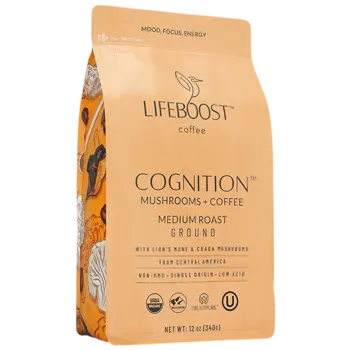
Lifeboost Coffee Medium Roast – Best Low Acid Coffee Brand
Overall Rating:
- Single-origin, shade-grown Arabica from the mountains of Nicaragua.
- USDA Organic, non-GMO, and third-party tested for mold and pesticide residue.
- Marketed as low acid, though the flavor leans mild rather than bold.
- Priced noticeably higher than most everyday coffees in this category.
Lifeboost built its reputation around traceable, high-elevation sourcing from small Nicaraguan farms, paired with sun-drying and spring-water washing meant to keep the beans as clean and gentle as possible. The Medium Roast is the brand’s standard everyday offering, and it leans on that sourcing story more than on any documented processing method to earn its low-acid claim.
- Form: Whole bean or ground
- Type: Low-Acid, Single-Origin Coffee
- Roast Level: Medium
- Flavor Notes: Light caramel, mild fruit, soft finish
- Brand: Lifeboost Coffee
- Benefit: Helps to increase your focus & clarity, supports immune system
- Bean Origin: Nicaragua (single origin)
- Ingredients: 100% Arabica beans
- Price: $29.99*
- Where to Buy: Amazon
Pros
- Traceable single-origin sourcing from shade-grown Nicaraguan farms
- USDA Organic and third-party tested for mold and pesticides
- Genuinely smooth, mild cup with no harsh aftertaste
Cons
- Noticeably pricier per ounce than most low-acid competitors on this list
- Lifeboost doesn’t publish independent pH data the way some rivals do, so the low-acid claim rests mostly on sourcing rather than a measured number
- Flavor can come across as a little flat for drinkers who want more character in the cup
- Frequently runs low in stock, which limits consistent availability
Gentle, but pricey for what it is
My stomach does fine with this one, and I appreciate the mold testing. That said, for the price I expected a bolder cup than what I got. — Renata S.
Good quality, not exactly exciting
It’s a clean, mild coffee and I haven’t had any digestive issues with it. I just wish it had a bit more flavor for what it costs. — Trevor J.
Lifeboost Coffee Medium Roast leans heavily on its sourcing story, and that story is genuine: shade-grown, single-origin, third-party tested. Where it comes up shorter is in the flavor department and in the price, which sits well above most of the other coffees on this list without a documented pH figure to back the low-acid claim beyond “grown gently.” It’s a reasonable option for someone who already trusts the brand, but it doesn’t stand out enough to compete with the top picks here.
Why It Earned a Spot on Our List
We evaluate every coffee against the same standard, and here’s how this one held up.
What stood out about this product to us
- Genuine single-origin, shade-grown sourcing from Nicaragua
- Third-party testing for mold and pesticide residue
- Smooth, mild cup with minimal harshness
Compared with brands that publish university-verified pH results, Lifeboost’s low-acid claim reads more like an assumption tied to gentle growing conditions than a measured outcome, which is the main reason it lands in third rather than higher on this list.
Expert Evaluation
Reviewed by the Health Insiders Coffee Research Team
Our editors reviewed the sourcing claims, available testing documentation, and verified customer feedback to see how the marketed gentleness held up against real-world use.
Our Findings
The Nicaraguan sourcing and mold testing are legitimate strengths, and they likely do contribute to a milder cup. But without a published pH comparison against conventional coffee, it’s harder to verify how much of an acid reduction is actually happening versus how much of the “gentle” reputation comes from brand storytelling.
What The Tester Says
Ally, the tester of Lifeboost Coffee Medium Roast, normally reaches for a darker, bolder coffee and was curious whether a single-origin low-acid option could hold her attention for two weeks straight. She didn’t experience any stomach discomfort during testing, which she counted as a genuine point in its favor, but she found herself missing a stronger flavor by the second week and started adding a splash more coffee per cup just to get the intensity she was used to. By the end of testing, she said she’d recommend it to someone specifically shopping on sourcing and gentleness, but not to someone chasing bold flavor at this price point.
Ingredient Quality 4.4/5
Ally confirms the cup stayed gentle on her stomach throughout testing, though she needed more grounds per pot than usual to get a flavor she was happy with.
Formula Transparency 4.0/5
According to Ally, the bag states the Nicaraguan origin clearly, but there’s no pH figure or comparable data point to back up the low-acid claim beyond the sourcing story.
Safety Profile 4.3/5

Third-party mold and pesticide testing held up as advertised, and Ally reported no digestive issues across two weeks of daily use.
Other Low-Acid Coffees That Nearly Made Our List
The low-acid coffee market has grown fast, and only a handful of brews backed their claims well enough to earn a top-three spot. The three below still have real strengths, and depending on your priorities, one of them might still be worth a look.
Puroast Low Acid Coffee – Best Low-Acid Coffee for Antioxidant Claims
Our Rating
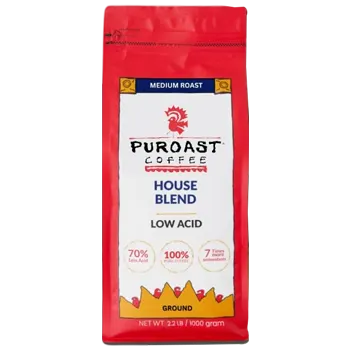
Puroast’s House Blend is built around a patented, slow-conduction roasting process the brand says raises the coffee’s pH well above conventional levels, with university testing cited in support of the claim. It’s one of the more scientifically documented low-acid coffees on the market, and plenty of longtime reflux sufferers swear by it. That said, the flavor and consistency have drawn mixed reactions, with some reviewers describing a flat or off taste and occasional packaging issues that keep it from feeling like a premium product.
Key Specs
- Form: Ground or whole bean
- Type: Low-Acid Coffee
- Roast Level: Medium (House Blend)
- Brand: Puroast
- Benefit: Higher pH, Reduced Acid, High Antioxidant Content
- Bean Origin: Not specified (blend)
- Ingredients: 100% coffee, no additives
- Price: $37.76*
- Where to Buy: Amazon
Puroast Low Acid Coffee Pros & Cons
Pros
- Acid reduction backed by university pH testing rather than an unverified claim
- Marketed as significantly higher in antioxidants than standard coffee
- Works across drip, French press, and cold brew
- Budget-friendly relative to other tested low-acid coffees
Cons
- Flavor has been described by some reviewers as flat or unusually mild
- A portion of customer reviews mention packaging problems, including leaking or underfilled bags
- Default ground format may disappoint drinkers who prefer whole bean
- Not certified organic across its full product line
Puroast Low Acid Coffee Customer Reviews
Real relief, average taste
This is the only coffee that doesn’t trigger my reflux, and I’ve tried a lot of “gentle” brands. The flavor is fine, not something I’d rave about, but I keep buying it because my stomach agrees with it. – Deborah H.
Good idea, inconsistent execution
The science behind it seems solid, and I do notice less discomfort. My last bag arrived half empty with grounds all over the box, which knocked my opinion down a bit. – Anthony R.
Summary: Puroast Low Acid Coffee has one of the stronger scientific cases, and for anyone whose main concern is verified acid reduction, that matters. Where it loses ground is consistency, both in flavor and in how the product arrives, which keeps it from ranking with the more polished picks higher on this list.
Kicking Horse Coffee Kick Ass – Best Low-Acid Coffee for Bold Drinkers
Our Rating
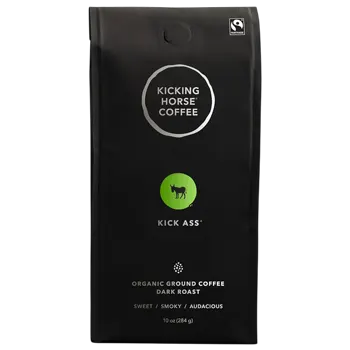
Kick Ass is a certified organic, fair trade dark roast from Indonesia and South America, known for its smoky, chocolate-and-molasses profile. It often gets recommended to sensitive drinkers on the assumption that dark roast automatically means low acid, but Kicking Horse doesn’t actually formulate or market this specific blend around acid reduction, and pH differences between light and dark roasts tend to be smaller than the popular myth suggests. It’s a genuinely bold, well-made coffee, just not one built with a documented low-acid process behind it.
Key Specs
- Form: Whole bean or ground
- Type: Dark Roast Coffee (not formulated for acid reduction)
- Roast Level: Dark
- Flavor Notes: Chocolate malt, molasses, licorice
- Brand: Kicking Horse Coffee
- Benefit: provides mental clarity and alertness with bold flavor
- Bean Origin: Indonesia and South America
- Ingredients: 100% Arabica beans, no additives
- Price: $13.59*
- Where to Buy: Amazon
Kicking Horse Coffee Kick Ass Pros & Cons
Pros
- Certified organic, fair trade, kosher, and shade grown
- Bold, full-bodied flavor with genuine complexity
- Widely available and reasonably priced
- No preservatives, fillers, or added flavoring
Cons
- Not specifically formulated or tested for low acidity, despite being popularly assumed to be gentle because of its dark roast
- Intensity may still bother sensitive stomachs regardless of roast color
- No published pH data to compare against dedicated low-acid brands
- Not the best fit for drinkers who specifically need a verified low-acid option
Kicking Horse Coffee Kick Ass Customer Reviews
Great coffee, not actually gentler for me
I bought this thinking dark roast meant easier on my stomach, and honestly it didn’t make much difference for my reflux. Still a good, bold coffee though. – Priscilla M.
Bold and reliable, just not marketed as low acid
I like this coffee a lot, but I want to be clear it’s not sold or tested as a low-acid option, it’s just a strong dark roast. – Grant W.
Summary: Kicking Horse Coffee Kick Ass is a well-made, certified organic dark roast that a lot of people reach for on the assumption that darker automatically means gentler. That assumption doesn’t hold up consistently, and since Kicking Horse doesn’t formulate or verify this blend for acid reduction, it’s a better fit for bold-flavor fans than for anyone specifically shopping for a documented low-acid coffee.
Death Wish Coffee Dark Roast – Best Low-Acid Coffee for High-Caffeine Fans
Our Rating
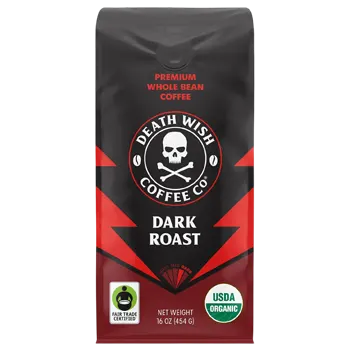
Death Wish’s Dark Roast blends Arabica and Robusta beans and is marketed with a “low acidity” claim tied to its dark roast profile. The brand is better known for its caffeine intensity, built around naturally high-caffeine Robusta, than for a documented acid-reduction process, and that caffeine load is worth factoring in separately from the acidity question. It’s a bold, chocolate-and-cherry cup, but sensitive drinkers should weigh the caffeine strength alongside any acidity benefit.
Key Specs
- Form: Whole bean or ground
- Type: Dark Roast Coffee (Arabica/Robusta blend)
- Roast Level: Dark
- Flavor Notes: Baker’s chocolate, cherry, cocoa
- Brand: Death Wish Coffee
- Benefit: Supports energy boost and alertness
- Bean Origin: Indonesia and Latin America
- Ingredients: USDA Organic, Certified Fair Trade Arabica and Robusta
- Price: $18.47*
- Where to Buy: Amazon
Death Wish Coffee Dark Roast Pros & Cons
Pros
- USDA Organic and Certified Fair Trade
- Bold, chocolate-forward flavor with real depth
- Marketed acidity is genuinely on the lower end for a dark roast blend
- Strong caffeine kick for anyone wanting an energy boost alongside their coffee
Cons
- Very high caffeine content, which can cause its own stomach and jitteriness issues separate from acidity
- Robusta’s naturally more bitter edge isn’t for everyone
- No independent, brand-external pH verification available
- Intensity may be too much for anyone easing into low-acid coffee for the first time
Death Wish Coffee Dark Roast Customer Reviews
Strong coffee, strong effects
The flavor is bold and I didn’t get reflux from it, but the caffeine is no joke. I had to cut back to half a cup at a time. – Nathaniel P.
Fine on acid, rough on my nerves
My stomach did okay with this one, but the caffeine level was more than I bargained for. Great for an occasional jolt, not my daily driver. – Isabelle F.
Summary: Death Wish Coffee Dark Roast delivers on flavor and on a genuinely lower-acid profile for a dark roast blend, but the extreme caffeine content is a real factor for anyone sensitive to jitters or an upset stomach from caffeine itself, not just acidity. It’s a niche pick for high-tolerance drinkers rather than a first choice for someone easing into gentler coffee.
Best Low-Acid Coffee Comparison Table (2026)
| Products | 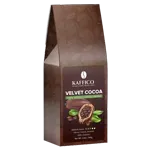 | 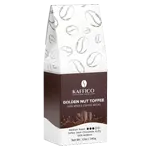 | 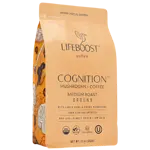 Lifeboost Coffee Medium Roast Lifeboost Coffee Medium Roast |
| Rating | 4.9 |  4.8 4.8 | 4.2 |
| Cost | $27.55 | $27.55 | $29.99 |
| Roast | Medium | Medium | Medium |
| Acid Reduction Source | Bean sourcing (high altitude) | Bean sourcing (Brazilian Arabica) | Sourcing story (unverified by third-party pH data) |
| Best For | Overall Low-Acid Coffee | Flavor-Focused Buyers | Single-Origin Purists |
| Recommended | Highly Recommended | Expert’s Recommended | Recommended for Occasional Use |
| Buy | Buy Now | Buy Now | Buy Now |
How Does Low Acid Coffee Work?
Coffee’s acidity comes down mostly to chlorogenic acid, a natural compound found in the raw bean that breaks down as the bean roasts. Research measuring caffeine and chlorogenic acid levels across different roast stages found that chlorogenic acid content drops noticeably as roasting gets darker, which is a big part of why dark roasts tend to taste smoother and less sharp than light roasts.[1] That’s the mechanical piece but it’s not the whole story. A broader look at the acids found in brewed coffee shows several different acid types contribute to flavor and perceived sharpness, and their balance shifts depending on both the bean and how it’s brewed, not chlorogenic acid alone.[2]
Origin and processing add another layer. Coffees grown at lower altitudes or processed using natural or pulped-natural methods tend to develop more sweetness and body, which can soften how acidic a cup feels even before it’s roasted. Research on pre- and post-harvest factors backs up just how much these upstream choices shape the final cup.[3] And then there’s brewing. Cold brew, made through a long, low-temperature extraction, has been shown to come out measurably less acidic than hot-brewed coffee using the same beans.[4] So really, low-acid coffee works on multiple fronts at once: a smoother bean, a darker roast, gentler processing, and sometimes a different brew method entirely.
Key Ingredients to Look For in the Best Low Acid Coffee
Coffee usually has only one real ingredient: coffee beans. So instead of chasing long ingredient lists, focus on the qualities of those beans.
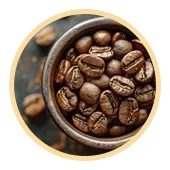
100% Arabica Coffee
Arabica tends to provide a smoother, more aromatic flavor than many Robusta-heavy blends. That does not automatically make every Arabica coffee low acid, but it is a good starting point when flavor quality matters.
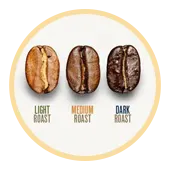
Medium-Dark or Dark Roasts
If low acidity is your priority, moving darker on the roast spectrum can help. Research shows acidity and chlorogenic acid concentrations generally change as roasting progresses.
No Unnecessary Additives
Good low-acid coffee should not need artificial flavoring to cover harsh beans. A clearly sourced single-ingredient coffee is usually easier to evaluate.
Benefits of Low Acid Coffee
The most obvious benefit is comfort: a gentler cup for people whose stomachs don’t love a bright, acidic brew. But that’s not the only upside worth mentioning:
Easier on sensitive stomachs: People who find regular coffee harsh or unsettling often tolerate low-acid options more comfortably, since the compounds tied to that sharp bite are dialed back.
Smoother, rounder flavor: Lower acidity tends to bring out chocolate, nutty, and caramel notes rather than bright citrus ones, which plenty of drinkers genuinely prefer.
No caffeine trade-off: Acidity and caffeine content aren’t linked, so a low-acid coffee can deliver just as much caffeine as a regular one; you’re not giving anything up on that front.
More consistent daily drinking experience: A smoother, less sharp cup is easier to enjoy every single day without the occasional stomach discomfort some people associate with brighter roasts.
Room to still get bold flavor: Dark and medium-dark low-acid roasts can still deliver rich, complex flavor; smoother doesn’t have to mean weaker or more bland.
How To Choose The Best Low Acid Coffee?
Look for Specific Low-Acid Information: Not all low-acid claims carry the same weight. Favor brands that explain their reasoning roast level, origin, or actual testing over ones that just describe their coffee as “smooth” without backing it up.
Start With a Medium or Dark Roast: Roast level is one of the biggest levers for acidity. Light roasts tend to highlight bright, citrus-like notes, so a medium or dark roast is usually the safer starting point if a gentler cup is the goal.
Pay Attention to Origin: Coffees from Brazil and much of Colombia tend to run chocolate-forward and smooth, while Ethiopian and Kenyan coffees are known for brighter, fruit-driven acidity. Neither origin is “better”; it just depends on what you’re after.
Consider Your Brewing Method: The same beans can taste noticeably different depending on how they’re brewed. Cold brew and French press methods tend to produce a rounder, less acidic cup than pour-over, which is built to emphasize brightness and clarity.
Buy Whole Bean When You Can: Freshness affects flavor more than most people realize. Whole beans ground right before brewing hold onto sweetness and balance better, which won’t change the coffee’s actual acidity but can noticeably reduce the harshness that comes with stale grounds.
Check the Certifications That Matter to You: If organic sourcing, allergen-free processing, or non-GMO status matters to your routine, check the label rather than assuming certification depth varies a lot between brands.
Is Low Acid Coffee Safe?
For most healthy adults, low-acid coffee is just as safe as regular coffee; it’s not a medical treatment, just a gentler version of the same drink.
Caffeine content is independent of acidity, so switching to a low-acid coffee doesn’t automatically mean less caffeine; per guidance from the European Food Safety Authority, caffeine intake up to 400 mg a day is considered safe for most healthy adults.[5]
That said, it’s worth being clear about what low-acid coffee is and isn’t. It’s not necessarily healthier than regular coffee, and it’s not a guaranteed fix for chronic digestive issues.
People with diagnosed conditions like acid reflux or GERD respond differently to coffee in general and should follow their healthcare provider’s guidance rather than assuming a low-acid label solves the problem on its own.
Who Should Consider Using Low Acid Coffee?
Anyone With Occasional Heartburn or Reflux: If a normal cup of coffee reliably leaves you uncomfortable an hour later, a genuinely low-acid option is worth trying before giving up coffee altogether.
People Managing GERD: For those with a diagnosed reflux condition, a coffee with a documented lower pH may be more tolerable, though it’s still worth discussing coffee intake with a doctor.
Coffee Lovers Who Can Only Manage One Cup: If stomach sensitivity currently caps your coffee intake, a gentler cup may let you comfortably enjoy more of your daily routine.
Anyone Skeptical of the Dark Roast Myth: If you’ve been drinking dark roast specifically for stomach relief without real results, it may be worth switching to a coffee that’s actually formulated or sourced for acid reduction instead.
People Who Still Want Real Flavor: Low-acid coffee has come a long way from bland, medicinal-tasting blends. The better options on this list prove gentleness doesn’t have to mean giving up taste.
Final Verdict
Low-acid coffee has moved well past the days of tasting like a watered-down compromise. Between smarter roasting, thoughtful sourcing, and brewing methods built around smoothness, there’s now a genuinely good low-acid option for nearly every taste.
Kaffico Velvet Cocoa Coffee is a strong example of that: a medium roast that leans into chocolate and cane sugar sweetness while keeping acidity low and gentle, without needing an ultra-dark roast to get there.
Whatever you land on, remember that roast level, origin, and brewing method all matter more than any single “low acid” label on the bag and if digestive issues are a real concern, a conversation with your doctor is still worth having alongside the switch.
Frequently Asked Questions
Q: What makes coffee low acid?
A: Mainly roast level and bean chemistry. Darker roasts break down more chlorogenic acid than light roasts, and factors like origin, altitude, and processing method also shift how acidic a coffee tastes in the cup.
Q: Is dark roast really lower in acid than light roast?
A: Generally, yes. As beans roast longer, chlorogenic acid levels drop, which is part of why dark roasts tend to taste smoother and less sharp than lighter ones. That said, origin and processing still play a real role, so roast level alone doesn’t tell the whole story.
Q: Which coffee is best for sensitive coffee drinkers?
A: It depends on the sensitivity. Medium roasts with disclosed low-acid information, like Kaffico Velvet Cocoa Coffee, tend to work well for people who want smoothness without an intensely dark, smoky flavor. Others may prefer a darker, purpose-built low-acid roast instead.
Q: Can I drink low-acid coffee if I have acid reflux?
A: Some people with mild sensitivity find low-acid coffee more comfortable, but it’s not a guaranteed fix for diagnosed conditions like GERD. If reflux is a regular issue, it’s worth checking with a healthcare provider before relying on a low-acid label as a solution.
Q: Does cold brew reduce acidity?
A: Yes, generally. Cold brew’s long, low-temperature extraction process has been shown to produce a measurably less acidic cup compared to hot brewing with the same beans, which is part of why it’s often recommended for sensitive stomachs.
Q: Is low-acid coffee more expensive than regular coffee?
A: It often costs somewhat more, particularly when a brand invests in specialized sourcing or a proprietary roasting process, though prices vary widely across brands.
Q: Does low-acid coffee still have caffeine?
A: Yes. Acidity and caffeine content are unrelated, so a low-acid coffee can still be just as caffeinated as a standard cup unless it’s specifically labeled decaf.

Marissa Ford
Marissa Ford is a registered dietitian and clinical nutrition expert specializing in healthy living, clinical nutrition, and personalized wellness, delivering evidence-based guidance to support long-term health.
Dr. Joseph Salhab
Dr. Joseph Salhab is a double board-certified physician specializing in Internal Medicine and Gastroenterology, with extensive clinical experience and expertise in digestive health and wellness.

Tamar Gelashvili
Tamar Gelashvili is a product tester and coffee enthusiast who evaluates coffee products based on flavor, preparation, consistency, and everyday drinking experience.
5 Sources
Health Insiders relies on peer-reviewed studies, academic research institutions, and medical associations. We avoid using tertiary references. You can learn more about how we ensure our content is accurate and current by reading our editorial policy.
[1] Quantification of Caffeine and Chlorogenic Acid in Green and Roasted Coffee Samples Using HPLC-DAD and Evaluation of the Effect of Degree of Roasting on Their Levels: https://pmc.ncbi.nlm.nih.gov/articles/PMC8705492/
[2] Acids in brewed coffees: Chemical composition and sensory threshold: https://pmc.ncbi.nlm.nih.gov/articles/PMC10074501/
[3] Influence of pre-and post-harvest factors on the organoleptic and physicochemical quality of coffee: a short review: https://pmc.ncbi.nlm.nih.gov/articles/PMC9376573/
[4] Acidity and Antioxidant Activity of Cold Brew Coffee: https://pmc.ncbi.nlm.nih.gov/articles/PMC6207714/
[5] Evaluation of the Caffeine Content in Servings of Popular Coffees in Terms of Its Safe Intake—Can We Drink 3–5 Cups of Coffee per Day, as Experts Advise?:https://pmc.ncbi.nlm.nih.gov/articles/PMC11314177/
Was This Article Helpful ?
![Agree - Yes]() Yes
Yes- No
![Disagree - No]()
 Yes
Yes

Health Insiders Team
The Health Insiders Team takes pride in bringing you the latest in nutritional research, skincare, healthy living, and wellness hacks. [Read Full Bio]
 Marissa Ford, MS, RD, LD
 See Our Editorial Process
 Meet Our Review Board


 This article changed my life!
 This article was informative.
 I have a medical question.
 Ask a Question
 This article contains incorrect information.
 This article doesn’t have the information I’m looking for.