
 Fact Checked


Highlights
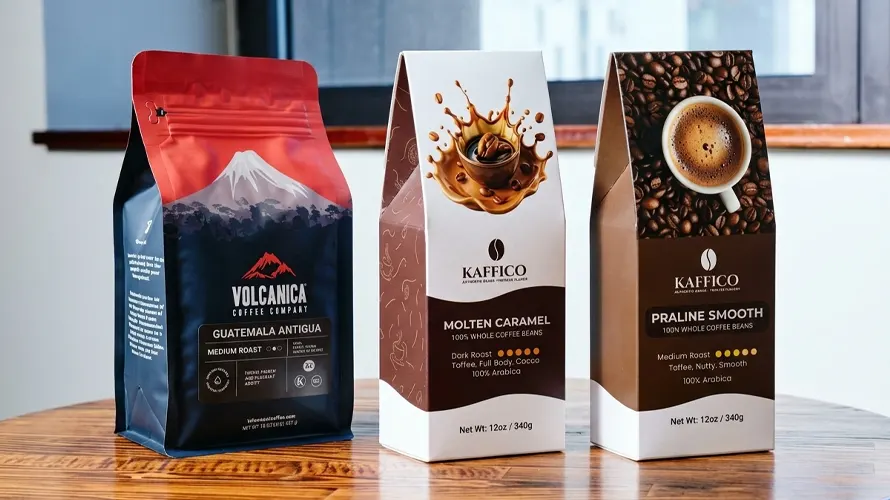
- Guatemalan coffee beans grow on volcanic slopes, which gives the cup cocoa depth and soft fruit.
- Antigua and Huehuetenango are the most famous regions, and each has its own clear flavor style.
- Medium and dark roasts pull out cocoa, toffee, and nutty notes while keeping the acidity soft.
- We brewed five well-known Guatemala coffee beans and scored taste, body, sourcing, and value.
- Kaffico Molten Caramel Coffee won for its toffee-and-cocoa cup and its smooth, low-acid finish.
Overview
You open a bag that says “Guatemala” and take a sip. It’s not bad, but it’s not the chocolaty, rich coffee you were hoping for. It’s not always your fault.
Guatemala produces some of the best and most beloved coffees in the world. Cool evenings and slow ripening of the coffee cherries in the high mountain regions of the country creates a sweet and full flavor in the beans. Unfortunately, coffee flavor is determined by many factors and origin is only half the story. Roast level, freshness, and how the beans are sorted can all determine if your cup is sweet and has flavors of caramel and cocoa or if your cup is bitter and flat.
Tasting and comparing dozens of coffee brands is nearly impossible, so we went ahead and did that. Five of the most popular Guatemalan coffees were brewed and tasted to help you decide what coffee you should buy next.
What Is Guatemalan Coffee?
Guatemalan coffee is coffee grown in Guatemala. Most of it is arabica, with old varieties such as Bourbon, Caturra, Catuaí, and Typica.
What makes Guatemalan coffee unique is where it is grown. Many coffee farms are above 1,300 meters (4,200 ft) in Guatemala. At this elevation, the cooler air helps slow the ripening of the coffee cherries, resulting in a denser bean, and a fuller, sweeter flavor.
Most Guatemalan coffee has a medium to full body with notes of chocolate, brown sugar, and sometimes fruit and spices. It is sold in two ways. Single-origin Guatemalan coffee comes from Antigua or other areas in Guatemala. Blends contain Guatemalan coffee beans with other coffee beans, creating a well-rounded, and good quality coffee.
How We Researched and Selected the Best Guatemalan Coffee Beans?
Methodology
We brewed every coffee on this list the same way so the beans were the only thing that changed. Each was ground fresh, brewed as both drip and French press using a 1:16 ratio, and then tasted first as black coffee, then as a latte. Also, each coffee was espresso pressed to see how they would hold up to pressure.
During the course of our testing, we kept track of how each coffee held up over the course of several weeks to determine whether the flavor was consistent from bag to bag. In addition to our tasting notes, we analyzed roast level, origin, varietal information, pricing, and feedback from customers. Coffees with unclear sourcing, sketchy labels, and/or repeated customer complaints about freshness all moved down the list.
Criteria for Evaluation
- Flavor: How balanced and sweet each coffee was and if there was a sour or sharp edge or a burnt flavor.
- Body and Finish: Whether the coffee felt round and full on the tongue or thin and watery, and how clean the aftertaste was.
- Sourcing Clarity: Earned extra points for naming their origins, varietals, and roasts.
- Versatility: How the coffee held up with the addition of milk, and how well it worked across different brew styles.
- Value for Money: How good the coffee was for the price and how many good cups it produced before going stale.

Expert’s Advice on Choosing Guatemalan Coffee
Dulce Barrera, Head of Quality Control at Bella Vista Coffee in Guatemala and a three-time Guatemalan Cup Taster Champion who was a 2019 World Cup Tasters finalist, says “Guatemalan coffees are unique mainly due to the many microclimates.” She notes the country has over 300 of them, more than any other origin. Antigua coffees tend to be aromatic with chocolate and panela flavors, while Huehuetenango coffees are more fruity. She adds that fertile volcanic soil and washed processing contribute to a clean, sweet cup, and she recommends medium roasts to bring out that sweetness.
Our Health Insiders research team’s top pick is Kaffico Molten Caramel Coffee. It blends Guatemalan beans with Arabica from Brazil and Mexico, then roasts them dark for a cocoa-and-toffee cup with low acidity. If you’d rather have a softer, everyday medium roast, Kaffico Praline Smooth Coffee pairs Guatemalan beans with Brazilian and Colombian coffee for a nutty, praline-like sweetness. Full flavor notes, pricing, and our complete testing results are below.
Why Trust Health Insiders?
Choosing a good Guatemalan coffee can be stressful because you have to buy a couple of bags to figure out which one is good. We’d like to take the stress of choosing away from you.
At Health Insiders, all coffees went through the same process. Our real testers brewed them, our editors checked if the label is true to its word regarding the origin and roast, and read the verified buyer reviews to see if there are recurring patterns. Pretty bags with a region name didn’t win points by themselves. It was all about how the coffee tasted.
We also rely on existing research on coffee and caffeine rather than rehashing the claims of brands. The prices and lineups can change so we return to this list regularly and update it when there are changes.
Finally, our goal is simple: one bag, one brew, one tasty cup of coffee.
Our Top Picks
Best Guatemalan Coffee Beans Overall: Kaffico Molten Caramel Coffee
 Read The Reviews
Best Medium Roast Guatemalan Coffee Blend: Kaffico Praline Smooth Coffee
Best Single-Origin Guatemala Antigua Coffee: Volcanica Guatemala Antigua
Best Budget Huehuetenango Coffee: Fresh Roasted Coffee Guatemala Huehuetenango
Best Guatemalan Coffee Brand: Pablo’s Pride Guatemala Coffee
Best Weight Loss Supplements and Diet Pills of 2023
Kaffico Molten Caramel Coffee – Best Guatemalan Coffee Beans Overall
Overall Rating:

*All the prices listed here are as they appear on their websites and are subject to change.
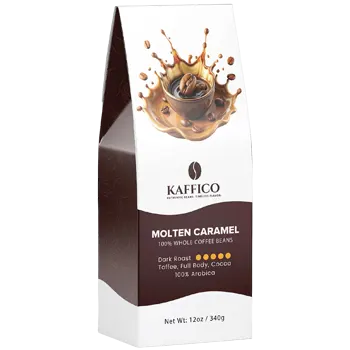
- Pour a deep, toffee-sweet cup with cocoa notes and no syrup or flavor oil added.
- Guatemalan beans add a gentle lift that keeps this dark roast from tasting heavy.
- Low acidity makes it easy on the palate, whether you drink it black or with milk.
- Sold as whole beans, so every cup can be ground fresh for the fullest aroma.
Kaffico Molten Caramel Coffee brings together Arabica from three countries, and the Guatemalan share is what gives the blend its spark. Brazilian beans lay down a thick, cocoa-rich base, Mexican beans hold everything in balance, and the Guatemalan beans add a touch of brightness and complexity on top. A dark roast then caramelizes the natural sugars inside the beans. The result tastes like toffee and baker’s chocolate, with enough lift that it never feels muddy. It’s the kind of cup that shows off what Guatemalan coffee does best inside a blend.
- Form: Whole bean coffee
- Type: Dark-roast Arabica coffee blend
- Benefits: Provides antioxidant support, boosts alertness, supports mental focus and natural energy, and offers a smooth, low-acid drinking experience
- Brand: Kaffico
- Roast Level: Dark
- Active Ingredient: 100% Arabica coffee beans
- Bean Origins: Guatemala, Brazil, and Mexico (Bourbon, Typica, Catuaí, Catucaí, and Mundo Novo varietals)
- Suggested Brewing Ratio: About 2 tablespoons of ground coffee per 6 ounces of water, adjusted to taste
- Servings Per Bag: About 34 cups (12 oz/340 g bag)
- Price: $29.00*
Pros
- Toffee and cocoa sweetness comes from the roast itself, not added flavoring
- Guatemalan beans add brightness, so the dark roast stays lively instead of flat
- Low acidity keeps every cup smooth and gentle
- Shines in espresso, drip, French press, and milk drinks
- Listed all three origins and every varietal on the label
- Strong verified buyers and reviews
Cons
- Consistency is vital to see the benefits of this product
- Drinkers who want a light, tea-like Guatemalan cup may find it too bold
Rich Caramel Flavor in Every Sip
If you like dark coffee with a hint of sweetness, this is worth trying. The caramel and toffee notes add richness without making the coffee taste like dessert. – Lucas H.
Bold yet smooth, ideal for mornings.
Bold yet smooth, this coffee is ideal for my morning routine. It’s rich without being too strong. – Lucas D.
Kaffico Molten Caramel Coffee takes the top spot because it gets the balance right. The Guatemalan beans give it brightness, the Brazilian beans give it body, and the dark roast pulls it all together into a smooth, toffee-sweet cup with almost no bite. If you want a Guatemalan coffee that tastes rich and comforting every single morning, this is the bag we’d reach for first.
Why We Ranked It #1
Every coffee in this guide went through the same brewing and tasting routine. Molten Caramel stood out from the first round, mostly because it tasted rich, sweet, and balanced no matter how we brewed it.
What Stood Out About This Product
- Natural toffee and cocoa notes built during roasting, with nothing sprayed on
- Guatemalan beans that lift the flavor and keep the cup from tasting heavy
- Low acidity that suits sensitive stomachs and black-coffee drinkers alike
- Full origin and varietal details printed right on the bag
- Excellent results across espresso, drip, and milk drinks
Plenty of dark roasts chase boldness until the beans taste scorched. Molten Caramel stops short of that point, which is why the cup comes across as caramel and cocoa rather than smoke and ash.
Expert Evaluation
Reviewed by the Health Insiders Coffee Research Team
Our editors studied the blend’s three origins, the roast profile, Kaffico’s brewing guide, and hundreds of buyer comments. We then brewed it next to every other coffee on this list and tasted each one black, with milk, and as espresso.
Our Findings
The thing our team kept coming back to was balance. Many dark roasts taste big for one sip and then fade into bitterness. Molten Caramel kept its sweetness all the way through the cup, with cocoa up front and a caramel-like note on the finish. As drip coffee it was smooth and round. As espresso it pulled a thick, glossy crema. With milk, the toffee side grew even stronger, almost as if the drink had been lightly sweetened.
What Our Tester Says
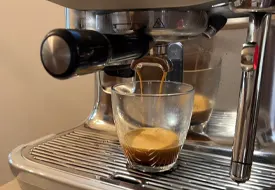
Emily Miranda put Kaffico Molten Caramel Coffee to work in an affogato, the classic Italian treat where a hot espresso shot is poured over ice cream. She loaded the whole beans into her Breville espresso machine, which grinds and tamps on its own, and the shot came out topped with a thick layer of crema. To her, that crema was proof the beans were fresh and well roasted. She scooped vanilla bean ice cream into a glass, poured the espresso over it, and called the result creamy and delicious, with the dark roast and toffee notes blending right into the vanilla. Her plan is to make it as an after-supper dessert, though she admitted any ice cream craving would do.
I Poured Espresso Over Ice Cream & It Changed Everything ☕🍨I Kaffico Molten Caramel Review | Video Credit: Kaffico | Premium Coffee YouTube Channel
Ingredient Quality 4.9/5
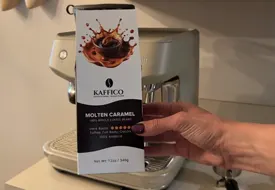
Emily says the rich crema on her shots showed how fresh and carefully roasted these whole beans are.
Formula Transparency 4.8/5
She points out that the bag spells out the roast level, flavor notes, and all three origins, so you know exactly what’s in the blend.
Safety Profile 4.9/5

With a single ingredient, 100% Arabica beans, and no flavor oils, this dark roast brewed clean and consistent in every test, from drip to espresso.
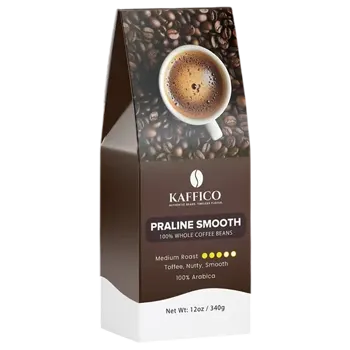
Kaffico Praline Smooth Coffee – Best Medium Roast Guatemalan Coffee Blend
Overall Rating:
*All the prices listed here are as they appear on their websites and are subject to change.
- Brews a soft, nutty cup with praline and toffee notes and no added flavors.
- Medium roast keeps the Guatemalan sweetness clear without any harsh or burnt edge.
- Mild, balanced acidity makes it an easy daily coffee from the first cup to the last.
- Whole beans work for everything from espresso to pour-over to cold brew.
Kaffico Praline Smooth Coffee is a medium roast made from Arabica grown in Brazil, Colombia, and Guatemala. Brazil gives the cup its body and natural sweetness, Colombia adds smoothness and clarity, and the Guatemalan beans bring sweet, gently bright layers that round everything out. Because it isn’t roasted dark, more of the bean’s own character comes through, and that character tastes like toasted nuts, praline, and a little toffee. It’s warm and comforting without ever feeling flat.
- Form: Whole bean coffee
- Type: Medium-roast Arabica coffee blend
- Benefits: Provides antioxidant support, supports mental alertness, offers natural caffeine energy, and delivers a smooth, gently sweet cup
- Brand: Kaffico
- Roast Level: Medium
- Active Ingredient: 100% Arabica coffee beans
- Bean Origins: Guatemala, Brazil, and Colombia (Caturra, Colombia, Castillo, Typica, Bourbon, Catuaí, and Mundo Novo varietals)
- Suggested Brewing Ratio: About 2 level tablespoons of ground coffee per 6 ounces of water, adjusted to taste
- Servings Per Bag: About 34 cups (12 oz/340 g bag)
- Price: $29.00*
Pros
- Praline and toasted-nut flavor develops naturally from the beans and roast
- Mild acidity that’s kind to the stomach and easy to drink black
- Pairs nicely with milk, cream, or oat milk
- Grind guide covers seven brew methods, from espresso to cold brew
- Clear origin and varietal details on the label
- Positive feedback from verified buyers
Cons
- Availability may fluctuate due to high demand from customers
- Grinding fresh makes the biggest difference, so a grinder is worth having
- Regular and sustained use will help improve outcomes
Smooth, Nutty, and Comforting
This has become one of my favorite everyday coffees. The praline and toasted-nut notes give it a naturally sweet character while keeping the coffee flavor front and center. – Liam A.
No more afternoon crashes
This coffee feels incredibly pure I get a steady focus for my work without the usual headache. – Eva D.
Kaffico Praline Smooth Coffee earns its place for anyone who wants Guatemalan coffee as a dependable everyday drink. It’s smooth, softly sweet, and nutty, with acidity low enough to enjoy black. If you like a cup that feels cozy rather than intense, this is the one to keep in the cupboard.
Why It Earned a Spot on Our List
We put Praline Smooth through the exact same brewing and tasting steps as every other coffee here, and it held its own at each stage.
What Stood Out About This Product
- Natural praline, toffee, and nut notes with no flavoring added
- Medium roast that lets the Guatemalan sweetness shine
- Mild, balanced acidity for an easygoing daily cup
- Origins and varietals clearly listed on the bag
- Works well across almost every brew method
A lot of “nutty” coffees on store shelves get there with hazelnut flavoring sprayed on after roasting. Praline Smooth reaches that taste through the beans and the roast alone, so the sweetness stays subtle and real.
Expert Evaluation
Reviewed by the Health Insiders Coffee Research Team
Our editors looked at the three-origin blend, the medium roast profile, the brand’s grind guide, and buyer feedback. Then we brewed it alongside every other coffee on this list as drip, French press, and espresso.
Our Findings
Praline Smooth was the most easygoing coffee we tested. As a drip brew, it tasted nutty and round, with a soft sweetness that lingered after each sip. The Guatemalan beans gave it a gentle brightness that kept it from tasting dull, while the Brazilian beans filled out the body. It handled milk well, turning into something close to a praline latte with no syrup at all.
What Our Tester Says
Amy Marquez, who tested Kaffico Praline Smooth Coffee, wanted a coffee she could drink every day without it feeling too strong or too sharp. She ground the whole beans fresh and noticed a warm, nutty aroma the moment the bag opened. In the cup, she found it smooth and balanced, with a light, sweet finish that didn’t need sugar. A splash of milk brought out even more of the praline character. She liked that it tasted the same cup after cup, which is exactly what she wants from a daily coffee.
ASMR Iced Coffee ☕💆🏻♀️ | Kaffico Praline Smooth Coffee | Video Credit: Kaffico | Premium Coffee YouTube Channel
Ingredient Quality 4.8/5
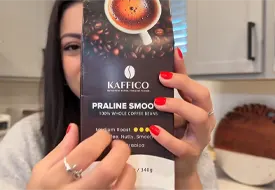
Amy says the nutty, praline-like sweetness tastes like it comes from the beans themselves, not from added flavor.
Formula Transparency 4.8/5
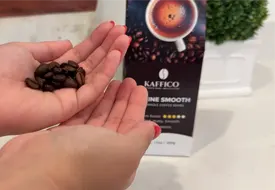
She notes that the bag names all three origins and the roast level, so there’s no mystery about what you’re brewing.
Safety Profile 4.8/5

Made with only 100% Arabica beans and no flavor oils, this medium roast brewed clean and smooth in every batch we made.
Volcanica Guatemala Antigua – Best Single-Origin Guatemala Antigua Coffee
Overall Rating:
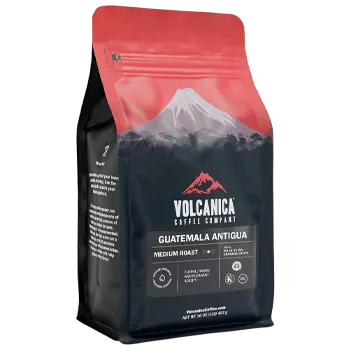
- Single-origin coffee from Guatemala’s Antigua region, roasted to a medium level.
- Listed flavor notes lean bright: berry, green apple, jasmine, and lemon.
- USDA Organic and Kosher certified, with a washed, sun-dried process.
- Sold in a 16 oz bag as whole bean or pre-ground in several grind sizes.
Volcanica Guatemala Antigua comes from Antigua, one of Guatemala’s best-known coffee regions, set in a valley ringed by volcanoes. The brand roasts it medium and lists bright, fruity notes on the bag, while also calling it a low-acid coffee with a pH of 5.3. In our cups, the brighter side won out. The coffee tasted clean and lively, with a citrus edge and a lighter body than our top two picks. That will please fans of classic single origins, but drinkers looking for a rich, chocolatey cup may find it a little sharp and thin.
- Form: Whole bean or ground coffee
- Type: Medium-roast single-origin Arabica coffee
- Benefits: Provides antioxidant support, boosts alertness, and offers a bright, clean cup
- Brand: Volcanica Coffee
- Roast Level: Medium
- Active Ingredient: 100% Arabica coffee beans
- Bean Origins: Antigua, Guatemala (single origin)
- Suggested Brewing Ratio: About 2 tablespoons of ground coffee per 6 ounces of water
- Servings Per Bag: About 45 cups (16 oz/453 g bag)
- Price: $22.99*
- Where to Buy: Amazon
Pros
- True single-origin Antigua coffee
- USDA Organic and Kosher certified
- Choice of whole bean or several grind sizes
- Bright, clean flavor for people who enjoy fruit-forward coffee
Cons
- Citrus and berry notes can taste sharp to people who want a mellow cup
- Lighter body than blended picks, especially with milk
- Product page names two different farms, which makes sourcing less clear
- Few on-page customer reviews to judge long-term consistency
A low-acid coffee bean that gives a flavorful cup of latte or espresso. – Mel L.
GOOD! Helps my digestive issues. – COLLEEN
Volcanica Guatemala Antigua is a fair pick if you want a certified organic, single-origin Antigua coffee with a bright profile. Still, the lighter body, citrus edge, and unclear farm details keep it behind the smoother, more balanced Kaffico blends.
Why It Earned a Spot on Our List
We ran Volcanica through the same brewing and tasting routine as every other coffee here. Here’s how it held up.
What Stood Out About This Product
- Single-origin beans from a well-known region
- Organic and Kosher certifications
- Flexible grind options for different brewers
- Clean, washed-process flavor
Volcanica earns its place mainly on origin and certifications. If you care most about drinking one specific region and like a lighter, fruitier style, it can work, as long as you’re fine with a cup that’s less sweet and less full than our top picks.
Expert Evaluation
Reviewed by the Health Insiders Coffee Research Team
Our editors reviewed the origin claims, roast level, certifications, and price, then brewed it next to the other coffees on this list in side-by-side tastings.
Our Findings
As a drip brew, Volcanica smelled floral and tasted clean, with a lemony brightness up front. The finish was short, and the body felt light compared with our top two picks. Milk muted most of its fruit, leaving a fairly plain cup. We also noticed the product page credits the beans to La Hermosa Estate in one spot and to Finca Nueva Granada in another, which makes it hard to know exactly where your bag came from.
What Our Tester Says
Our tester Daniel, who usually drinks medium roasts black, brewed Volcanica Guatemala Antigua in his drip machine and a French press over two weeks. He liked the fresh, floral smell when he opened the bag and said the first sip was crisp and clean. After a few cups, though, he found the lemony note a bit tart for a morning coffee, and he missed the cocoa depth he expected from a Guatemalan bean. With milk, he said the flavor mostly disappeared. His verdict: a nice change of pace, but not one he’d drink every day.
Ingredient Quality 4.3/5
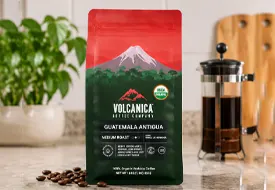
Daniel says the beans tasted fresh and clean, though the bright citrus side outweighed the sweetness.
Formula Transparency 4.2/5

According to Daniel, the bag lists region, roast, and certifications, but the farm details on the product page don’t fully match.
Safety Profile 4.4/5
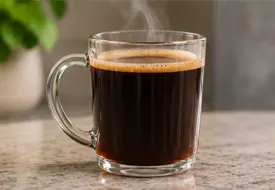
With organic Arabica as the only ingredient, it brewed without issues, though the brighter acidity may bother sensitive stomachs.
Other Guatemalan Coffee Beans That Nearly Made Our List
Not every well-known Guatemalan coffee impressed us once it hit the cup. The two below have their fans and a few real strengths, but each comes with trade-offs worth knowing before you order.
Fresh Roasted Coffee Guatemala Huehuetenango – Best Budget Huehuetenango Coffee
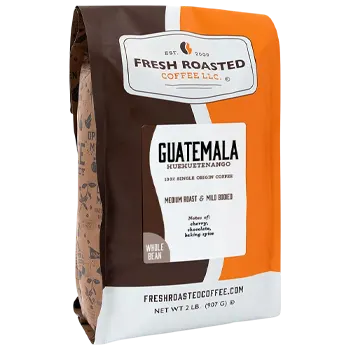
Our Rating
Fresh Roasted Coffee’s Guatemala Huehuetenango is a single-origin medium roast made from 100% Arabica grown at 1,400–1,800 meters. The beans are hand sorted to European Preparation standards, and the brand lists cherry, spice, and chocolate notes. The low price is its biggest draw. In our tests, the cup was clean and mild but fairly light, and the baked-spice finish stood out more than the chocolate. Milk washed most of the flavor away, and the medium acidity gave black cups a slightly tangy edge.
Key Specs
- Form: Whole bean or ground (drip, coarse, or fine)
- Type: Medium-roast single-origin Arabica coffee
- Benefits: Provides antioxidant support, boosts alertness, and offers a mild, easy-drinking cup
- Brand: Fresh Roasted Coffee
- Roast Level: Medium
- Active Ingredient: 100% Arabica coffee beans
- Bean Origins: Huehuetenango, Guatemala (Caturra and Bourbon varietals)
- Suggested Brewing Ratio: About 2 tablespoons of ground coffee per 6 ounces of water
- Servings Per Bag: About 34 cups (12 oz/340 g bag)
- Price: $14.99*
- Where to Buy: Amazon
Fresh Roasted Coffee Guatemala Huehuetenango Pros & Cons
Pros
- Low price for a single-origin coffee
- Hand-sorted beans with clear altitude and varietal details
- Available whole bean or pre-ground
Cons
- Mild body can taste thin, especially with milk
- Baked-spice finish won’t suit everyone
- Medium acidity gives black cups a tangy edge
- No specific farm named
Fresh Roasted Coffee Guatemala Huehuetenango Customer Reviews
Nice, But Not My Daily
It’s worth trying, but it isn’t my everyday coffee. The baking spice note is very noticeable when it brews, and the chocolate and cherry shift depending on how long since the roast. – Lawrence G.
Just a Good Cup
It seems more like a light-medium roast to me. It just makes a good, ordinary cup of coffee. – Michael H.
Summary: Fresh Roasted Coffee Guatemala Huehuetenango is a sensible pick if you’re on a budget and want a mild single-origin coffee. Still, its light body, spice-heavy finish, and tangy edge keep it behind richer, smoother options that hold up better with milk.
Pablo’s Pride Guatemala Coffee – Best Guatemalan Coffee Brand
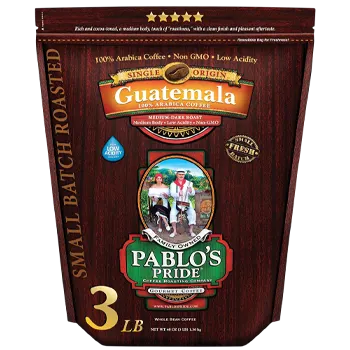
Our Rating
Pablo’s Pride Guatemala is a medium-dark roast from Don Pablo Coffee. It is chocolatey and low acid, with caramel and cocoa notes. It comes only in a 2 lb bag. In our tests, the cup was roasty but a bit one-note, with a slightly bitter finish in a French press. The large bag also lost aroma by the second half, and the page names no specific region or farm.
Key Specs
- Form: Whole bean or ground (drip, pour-over, espresso, French press, or cold brew)
- Type: Medium-dark roast Arabica coffee
- Benefits: Offers a low-acid, non-GMO cup with natural caffeine for alertness
- Brand: Don Pablo Coffee
- Roast Level: Medium-dark
- Active Ingredient: 100% Arabica coffee
- Bean Origins: Guatemalan highlands, fully washed (no specific region or farm listed)
- Suggested Brewing Ratio: About 2 tablespoons of ground coffee per 6 ounces of water
- Servings Per Bag: About 90 cups (2 lb/907 g bag)
- Price: $27.99*
- Where to Buy: Amazon
Pablo’s Pride Guatemala Coffee Pros & Cons
Pros
- Low-acid, non-GMO medium-dark roast
- Many grind options, including cold brew
Cons
- Only sold in a 2 lb bag, which is hard to finish while fresh
- Flavor leans roasty and can turn bitter in a French press
- No specific region or farm named, and the variety is listed only as “Arabica”
- Expect gradual effects with continued daily use
Pablo’s Pride Guatemala Coffee Customer Reviews
Decent Value, but Average Flavor
The coffee has a smooth, roasty taste, but I expected more noticeable chocolate and caramel notes. The large bag is good value, though it takes a while to finish. – Orson P.
A Little Too Bitter for Me
I like the low-acid profile, but the finish tastes slightly bitter in my French press. The flavor is also less complex than I expected from a Guatemalan coffee. – Thayer L.
Summary: Pablo’s Pride Guatemala Coffee can make sense if you drink a lot of coffee and want a low price per cup. Still, the oversized bag, roast-forward taste, and thin sourcing details keep it behind smaller-batch options that taste fresher and tell you more about what you’re buying.
Best Guatemalan Coffee Beans Comparison Table (2026)
| Products | 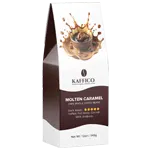 Kaffico Molten Caramel Coffee | 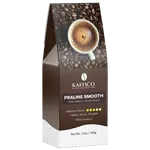 Kaffico Praline Smooth Coffee | 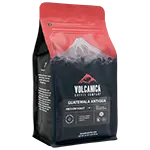 Volcanica Guatemala Antigua |
| Rating |  |  | |
| Cost | $29.00* | $29.00* | $22.99* |
| Form | Whole bean | Whole bean | Whole bean or ground |
| Roast | Dark | Medium | Medium |
| Origins | Guatemala, Brazil, Mexico | Guatemala, Brazil, Mexico | Antigua, Guatemala |
| Flavor Notes | Cocoa, caramelized sugar, toffee | Praline, toffee, toasted nuts | Berry, green apple, jasmine, lemon |
| Best For | Rich, low-acid daily coffee | Smooth, nutty everyday cup | Bright single-origin fans |
| Recommended | Expert’s Recommended | Highly Recommended | Recommended |
| Buy | Buy Now | Buy Now | Buy Now |
How to Choose the Best Guatemalan Coffee Beans?
Region: Guatemala is known for having eight main regions for coffee bean cultivation, and the Antigua region’s coffee beans are typically chocolatey and balanced, while the Huehuetenango region’s are fruity and lively, and the Atitlan region’s are bright and citrusy. If you do not want to pick a region, a blend is usually the best option to get a balanced, rounder cup.
Roast Level: Also, when talking about roasts, a general rule is, the lighter the roast, the more the acidity and fruitiness are highlighted, the medium roasts start to get sweeter, and the darker roasts get sweeter and more chocolatey and caramelly, with less acidity and fruitiness. In general, darker and medium roasts are usually preferred.
Single Origin or Blend: Single-origin bags show you one region’s personality, which is fun if you like exploring. Blends mix Guatemalan beans with coffee from places like Brazil or Colombia to add body and sweetness, which usually makes a smoother cup.
Whole Bean or Ground: Whole bean tends to retain aroma far longer. Ground coffee begins losing flavor rather quickly. Buy whole beans and grind just before use for best flavor.
Label Transparency: Good bags tend to be rather upfront and clear with the origin, roast level and type of bean. Vague phrases tell little to nothing about the actual beans.
Bag Size and Price: A good size coffee bag is in the 1 pound range. It is always a good idea to buy small because the larger bags tend to go stale before you can drink it all. Good quality Guatemalan coffee tends to cost between $15 and $30.
Common Flavor Notes and Components in the Best Guatemalan Coffees
Arabica Beans
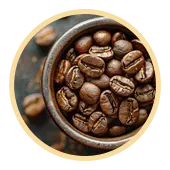
Almost all Guatemalan coffee is Arabica, the species known for its sweetness, aroma, and softer bitterness.[1] Traditional varieties like Bourbon, Caturra, Catuaí, and Typica are the most common.
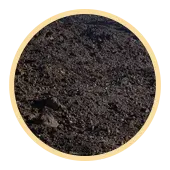
Volcanic Soil Minerals
Regions like Antigua, Acatenango, and Atitlán sit on young volcanic soil, while Cobán and Huehuetenango are not volcanic. Research reviews link growing conditions like soil and higher altitude with better-tasting coffee, which helps explain the dense, layered flavor of high-grown Guatemalan beans.[2]
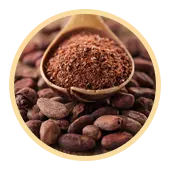
Cocoa and Chocolate Notes
Guatemalan beans often carry a natural cocoa character. Medium and dark roasts deepen it, which is why so many Guatemalan coffees taste like chocolate without any flavoring added.
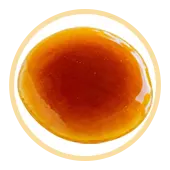
Caramelized Sugars
During roasting, natural sugars inside the bean caramelize. That’s where toffee, brown sugar, and praline notes come from, and it’s why some roasts taste lightly sweet even when you drink them black.
Chlorogenic Acids
These are coffee’s main antioxidant compounds. Lighter roasts keep more of them, while darker roasts break some down and taste smoother as a result.[3]
Benefits of Drinking Good Guatemalan Coffee
Naturally Sweet Flavor: Guatemalan beans with cocoa and caramel notes often taste sweet enough on their own, so you can cut back on sugar and syrups.
Smooth, Balanced Cup: Medium and dark Guatemalan roasts tend to have mild acidity, making them easier to drink black than many bright, light-roast coffees.
Steady Energy and Focus: Like any coffee, it delivers caffeine, which helps with alertness and concentration when you enjoy it in moderation.
Antioxidant Support: Coffee is one of the biggest sources of dietary antioxidants for many adults, and moderate coffee drinking is linked with several health benefits in large reviews.[4]
Versatile in the Kitchen: Good whole beans work for drip, French press, pour-over, espresso, and even cold brew, so one bag can cover your whole routine.
Better Value Than Cafe Coffee: Brewing a quality bag at home costs a fraction of a daily coffee shop habit.
How Does Guatemalan Coffee Get Its Flavor? What Does Science Say?
There are multiple factors that affect a coffee bean’s flavor. In Guatemala, several farms position their crops up high in the mountains. Growing coffee in the highlands of Guatemala has multiple benefits. The high elevation of the land upslows the process of ripening on the coffee cherries. This slower process allows more sugars and flavor compounds to build up in the bean, making high-grown Guatemalan coffee sweeter and more complex.
Fertile soil is another factor. The regions of Antigua, Atitlán and Acatenango have active volcanic soil, while the region of Huehuetenango and Cobán do not. Growing conditions affect the flavors of coffee and are a main reason for the difference in coffees from the same country.[2]
Then roasting takes over. A 2009 study in the Journal of Agricultural and Food Chemistry found that total chlorogenic acids dropped as roasting got more intense, and that these acids were linked to the coffee’s pH.[3] In plain terms, darker roasts tend to taste less sharp, while lighter roasts keep more of the bright, tangy side.
As a consumer, it’s good to know that region influences the flavor of the coffee beans, and roasting the beans decides how much of that flavor makes it to your cup.
Is Guatemalan Coffee Safe to Drink?
For most healthy adults, yes. Guatemalan coffee is simply coffee, and the main thing to keep an eye on is caffeine.
The U.S. Food and Drug Administration says up to 400 milligrams of caffeine a day is generally not linked with negative effects for healthy adults.[5] An 8-ounce cup of brewed coffee usually lands somewhere around 80 to 100 milligrams, so a few cups a day fits comfortably for most people.
Freshness does make a difference too. Store coffee in an airtight container away from heat, light, and moisture and try to finish a bag within 2-3 weeks of opening.
Side Effects and Who Should Be Cautious of Guatemalan Coffee
Most people handle coffee well, but too much caffeine can cause:
- Jitters, restlessness, or a racing heart
- Trouble falling asleep, especially with late-day cups
- Upset stomach or heartburn in sensitive people
- Headaches when cutting back suddenly
Who Should Be Careful:
- People who are pregnant or breastfeeding, who are often advised to limit caffeine
- Anyone with heart rhythm problems, high blood pressure, or anxiety disorders
- People taking medications that interact with caffeine
- Anyone with acid reflux or GERD, who may do better with darker, lower-acid roasts
- Children and teens
Who Should Consider Guatemalan Coffee Beans?
- People Who Want a Smooth, Sweet Cup: Medium and dark Guatemalan roasts lean toward chocolate and caramel, which many people find easy to drink black.
- Anyone Cutting Back on Sugar: Naturally sweet beans make it easier to skip the syrups and flavored creamers.
- Coffee Lovers Who Like to Explore: Single-origin bags from Antigua or Huehuetenango are a fun way to taste how region changes flavor.
- Milk Drinkers: Blends with Guatemalan beans, like the two Kaffico picks, keep their flavor well in lattes and flat whites.
- Home Baristas: Whole Guatemalan beans work for espresso, drip, pour-over, French press, and cold brew, so one bag covers it all.
Final Verdict
Guatemalan coffee is pretty popular, and the right bag shows why. Expect a smooth cup with mild sweetness, heavy body, and notes of cocoa, with no sour or bitter edges. The wrong bag gives a flat, forgettable brew and a huge waste of a high quality coffee.
After weeks of side by side tastings, Kaffico Molten Caramel Coffee gave us the richest cup with a toffee/cocoa note and very low acidity, and Kaffico Praline Smooth Coffee gave us the best daily drinker with a nice mild nutty flavor that lasts from first to last sip. Volcanica suits people that prefer a bright, fruity and more traditional coffee, while Fresh Roasted Coffee and Pablo’s Pride have narrower appeal
If you’ve been disappointed with your recent bags of Guatemalan coffee, one of our two top picks is a great starting point.
Frequently Asked Questions
Q: What are the best Guatemalan coffee beans?
A: In our testing, Kaffico Molten Caramel Coffee came out on top for its rich toffee and cocoa flavor with low acidity. Kaffico Praline Smooth Coffee was our pick for a softer, nutty medium roast.
Q: What does Guatemalan coffee taste like?
A: Most Guatemalan coffee tastes chocolatey and lightly sweet, with a medium to full body. Depending on the region and roast, you may also notice fruit, spice, or citrus notes.
Q: Is Guatemalan coffee good?
A: Yes. Guatemala is one of the most respected coffee origins in the world, because of its high altitude, volcanic soil, and long history of growing quality Arabica.
Q: Is Guatemalan coffee low in acid?
A: It depends on the roast. Light roasts can taste bright and tangy, while medium-dark and dark roasts usually taste smoother and less acidic.
Q: What’s the difference between Antigua and Huehuetenango coffee?
A: Antigua coffee grows in a volcanic valley and usually tastes balanced and chocolatey. Huehuetenango is a high, dry, non-volcanic region whose coffee often tastes more fruity and lively.
Q: Is Guatemalan coffee strong?
A: Strength depends on the roast and how much coffee you use. A dark roast tastes bolder, but caffeine levels are similar to other Arabica coffees.
Q: Should I buy whole bean or ground Guatemalan coffee?
A: Whole beans are best if you have a grinder, because they stay fresh longer. Ground coffee is fine for convenience if you finish the bag within a couple of weeks.
Q: Is Guatemalan coffee good for espresso?
A: Yes. Medium and dark Guatemalan roasts make sweet, chocolatey espresso, and blends with Brazilian beans add extra body and crema.
Q: How should I store Guatemalan coffee beans?
A: Keep them in an airtight container at room temperature, away from light, heat, and moisture. Avoid the fridge, since it can add moisture and odors.
5 Sources
Health Insiders relies on peer-reviewed studies, academic research institutions, and medical associations. We avoid using tertiary references. You can learn more about how we ensure our content is accurate and current by reading our editorial policy.
[1] Bioactive Compounds in Coffee and Their Role in Lowering the Risk of Major Public Health Consequences: A Review: https://pmc.ncbi.nlm.nih.gov/articles/PMC10867520/
[2] Climate Change and Coffee Quality: Systematic Review on the Effects of Environmental and Management Variation on Secondary Metabolites and Sensory Attributes of Coffea arabica and Coffea canephora: https://pmc.ncbi.nlm.nih.gov/articles/PMC8531415/
[3] Role of Roasting Conditions in the Level of Chlorogenic Acid Content in Coffee Beans: Correlation with Coffee Acidity: https://pubmed.ncbi.nlm.nih.gov/19530715/
[4] Coffee Consumption and Health: Umbrella Review of Meta-Analyses of Multiple Health Outcomes: https://pmc.ncbi.nlm.nih.gov/articles/PMC5696634/
[5] Spilling the Beans: How Much Caffeine Is Too Much? (U.S. Food and Drug Administration): https://www.fda.gov/consumers/consumer-updates/spilling-beans-how-much-caffeine-too-much
Was This Article Helpful ?
![Agree - Yes]() Yes
- No
![Disagree - No]()
 Yes


Health Insiders Team
The Health Insiders Team takes pride in bringing you the latest in nutritional research, skincare, healthy living, and wellness hacks. [Read Full Bio]
 Marissa Ford, MS, RD, LD
 See Our Editorial Process
 Meet Our Review Board






 This article changed my life!
 This article was informative.
 I have a medical question.
 Ask a Question

 This article contains incorrect information.
 This article doesn’t have the information I’m looking for.