
 Fact Checked


Highlights
- Ethiopian coffee offers a wide range of flavours, from light floral and citrus notes to deeper berry and wine-like notes. The region, processing method, and roast all help shape the cup.
- A useful label tells you where the coffee was grown, how it was processed, and when it was roasted. A named producer or washing station adds helpful detail.
- Volcanic Ethiopian Yirgacheffe and Stumptown, Ethiopia Suke Quto are Ethiopian options worth comparing for different buying priorities.
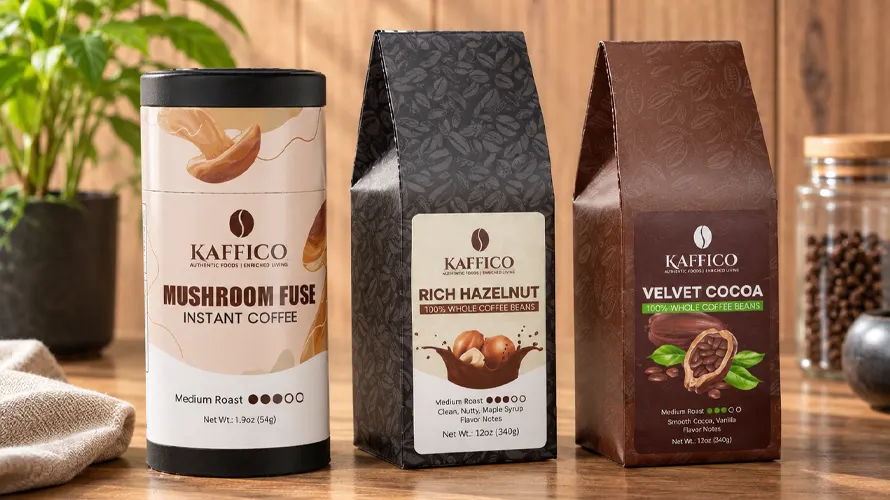
- Kaffico Mushroom Fuse Instant Coffee is a convenient alternative made with Papua New Guinea Arabica and organic mushrooms. It is included separately because its coffee is not Ethiopian.
Overview
Ethiopian coffee often catches people by surprise. A cup can be floral, gently citrus, or evoke fruit notes that are distinctly different from the chocolate and toasted notes of a familiar breakfast blend. That variety is a lot of what makes it enjoyable to drink or interesting to those who are adventurous.
Choosing Ethiopian coffee takes more than checking the country on the bag. Two coffees from Ethiopia can taste quite different depending on their growing region, processing method, and roast level. Those details can help you find flavours you enjoy.
This guide explains what makes Ethiopian coffee distinctive, what to look for when comparing bags, and how to choose one for your brewing routine. It also includes alternatives from other origins, including an instant option for busy mornings.
What Is Ethiopian Coffee?
Ethiopian coffee is coffee grown in Ethiopia, the native home of Arabica. Popular growing regions are Yirgacheffe, Guji, Sidama, and Harrar, which have numerous regional styles and not just one single style.
There are many Ethiopian coffees that are sold as single origin. This may be a country, region, cooperative, washing station, or individual farm, so it’s important to look past the front label.
Whole beans give you the option to grind them just before brewing, whereas ground coffee eliminates one step from the process. There is another format, too, but origin still counts: an instant coffee from Papua New Guinea is still Papua New Guinea coffee, although the flavor is more to the liking of Ethiopian coffee drinkers.
How We Researched & Picked the Best Ethiopian Coffee
Methodology
This guide uses a review of product descriptions, sourcing information, preparation instructions, prices, and customer feedback. It is a desk-based assessment rather than a hands-on tasting trial. Flavor descriptions are attributed to the brands or their published customer comments.
We focused on information that helps someone make a buying decision: Ethiopian origin, regional detail, processing, roast level, available formats, freshness guidance, and cost. Where a product belongs to another origin, we identify it as an alternative rather than an Ethiopian recommendation.
We also separated practical features from wellness claims. A coffee can be convenient, clearly labeled, or reasonably priced without having proven benefits for focus, digestion, or long-lasting energy. Added mushrooms require their own ingredient and safety assessment.
Criteria for Evaluation
Coffee Quality & Origin: We considered the stated country, growing region, producer details, and coffee varieties where available. Clear sourcing helps buyers understand what they are purchasing.
Processing & Roast Level: We looked for processing information and roast descriptions because both influence the style of coffee a buyer can expect.
Formula Transparency: For plain coffee, the ingredient list should be straightforward. For blends, added ingredients and their amounts deserve the same attention as the beans.
Caffeine Content: A lighter taste or added mushroom powder does not establish that a drink contains less caffeine. A measured amount is more useful than general reassurance.
Flavor and Preparation: We considered published tasting notes, brewing requirements, and whether a product suits whole-bean, ground-coffee, or instant-coffee routines.
Customer Feedback: Reviews can help explain convenience and flavor preferences. They remain personal experiences rather than controlled evidence of health effects.

What Experts Say About Ethiopian Coffee Beans
Willem Boot, Q-grader and founder of the Bay Area coffee consultancy, Boot Coffee, has been working with Ethiopian coffee for years and states Ethiopia is his favourite origin outside of Panama. Possibly, the influence of variety and terroir on the flavor profile of a coffee is of particular interest to him, and this is one of the reasons that Ethiopia is so intriguing; the heirloom varieties interact with the altitude, climate, and soil in unique ways and produce very unique flavor profiles. He also has said that “Ethiopian coffees are still not that pricey as they should be for what they are,” and how much more the farmers could get if they told their story better.
What Health Insiders Research Says
We have found that Ethiopian beans are best when they have three elements: Region, Processing, and Freshness. Coffees from Yirgacheffe and Sidama are usually bright, floral, and tea-like in their washed coffees; to a lesser extent, natural-processed coffees are often berry and stone-fruit-sweet, which is particularly true of Guji and Harrar. Be sure to look for bags that mention the particular washing station area instead of “Ethiopia” and select light to medium roast for retaining those tender notes. The freshest cup is the one that comes from whole beans with the latest roast date and is ground fresh when it’s time to make a cup of coffee.
Why Trust Us?
This guide from Health Insiders separates origin, convenience, and wellness claims so buyers can compare the qualities that matter to them. It uses official product information for sourcing and preparation, published customer comments for individual experiences, and relevant research or regulatory guidance for health-related context.
The assessment also identifies where information is incomplete. It does not turn customer ratings into clinical evidence or present a product-information review as hands-on testing. Prices, availability, and subscription offers can change, so confirm the selected option before purchasing.
Our Top Picks of 2026
Best Instant Mushroom Coffee Alternative: Kaffico Mushroom Fuse Instant Coffee
 Read The Reviews
Best Chocolate-Forward Colombian Alternative: Kaffico Velvet Cocoa Coffee
Best Nutty and Sweet Coffee Alternative: Kaffico Rich Hazelnut Coffee
Best Bulk Whole-Bean Alternative: Volcanica Papua New Guinea Peaberry Coffee
Best Ethiopian Coffee for Floral and Citrus Notes: Stumptown Ethiopia Suke Quto
Best Ethiopian Coffee Beans of 2026
Kaffico Mushroom Fuse Instant Coffee – Best Instant Mushroom Coffee Alternative
Overall Rating:

*All the prices listed here are as they appear on their websites and are subject to change.
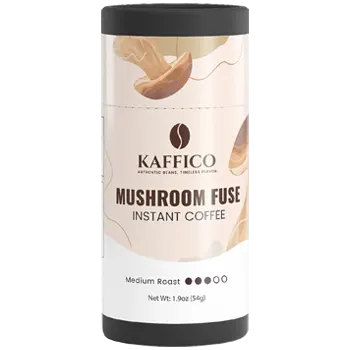
- Made for a convenient daily coffee routine
- Contains single-origin Arabica coffee from Papua New Guinea
- Blended with organic Lion’s Mane and Chaga mushroom powders
- Medium roast with dark chocolate and earthy cocoa notes
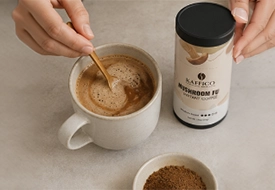
Kaffico Mushroom Fuse Instant Coffee is a functional medium-roast blend made for people who want familiar coffee flavor with the convenience of instant preparation. It combines single-origin Arabica coffee from Papua New Guinea with organic Lion’s Mane and Chaga powders. The brand describes a smooth, medium-full cup with dark chocolate, earthy cocoa, and gentle toasted sweetness. Its freeze-dried format makes it easy to prepare at home, at work, or while travelling.
- Form: Instant Coffee
- Type: Functional Mushroom Coffee
- Brand: Kaffico
- Roast Level: Medium
- Coffee Source: Single-origin Arabica coffee from Papua New Guinea; Typica and Bourbon varieties
- Key Ingredients: 70% Arabica Coffee, 15% Organic Lion’s Mane Powder, 15% Organic Chaga Mushroom Powder
- Benefit: Convenient coffee preparation with naturally occurring caffeine and added functional mushrooms
- Serving Suggestion: Mix one teaspoon (2 g) with 8–10 ounces of hot water at 160–175°F and stir well
- Price: $33 per bag for a one-time purchase
Pros
- Made with single-origin Arabica coffee
- Contains organic Lion’s Mane and Chaga powders
- Clearly identifies the percentage of each main ingredient
- Brand-described smooth, balanced, low-acidity flavor
- Medium roast with chocolate and cocoa notes
- Listed as vegan, vegetarian, gluten-free, and non-GMO
- Easy preparation without a grinder or coffee maker
- Free shipping on qualifying orders
Cons
- Individual taste preferences and experiences may vary
- Contains caffeine, with no exact amount stated
- Available primarily through the official Kaffico website
Delicious Taste, Ultimate Flavor
A very convenient way to enjoy mushroom coffee. It takes seconds to prepare and has a surprisingly smooth coffee flavor.— Sebastian C.
Convenient Mushroom Coffee for Busy Mornings
I like having the convenience of instant coffee without giving up flavor. This makes a smooth cup quickly and is an easy addition to my morning routine.— Theo M., Verified Reviewer
Tastes as Good as It Works
I love that this coffee tastes so good, and it helps me stay focused throughout my workday.— Claire L.
Kaffico Mushroom Fuse Instant Coffee offers a practical option for people who want Arabica coffee and functional mushrooms in an easy-to-prepare format. Its main strengths are the clearly disclosed ingredient percentages, single-origin coffee base, straightforward serving instructions, and flexible purchase options. Customer comments also highlight smooth flavor and quick preparation. It may suit coffee drinkers who enjoy chocolate and cocoa notes and want to try a mushroom blend without changing their usual preparation habits.
Why We Ranked It #1
For this featured selection, we focused on ingredient transparency, coffee sourcing, preparation, customer feedback, and value. Kaffico Mushroom Fuse Instant Coffee brings these practical features together in a simple instant format.
What stood out about this product to us
- Single-origin Arabica coffee from Papua New Guinea
- Typica and Bourbon coffee varieties
- Clearly disclosed 70% coffee content
- Organic Lion’s Mane mushroom powder
- Organic Chaga mushroom powder
- Disclosed 15% amount for each mushroom
- Medium roast with familiar coffee flavors
- Dark chocolate and earthy cocoa tasting notes
- Brand-described low and balanced acidity
- Medium-full, creamy body
- Listed as vegan and vegetarian-friendly
- Listed as gluten-free and non-GMO
- No added sugars, sweeteners, or artificial flavors, according to the brand
- Customer feedback highlighting taste and convenience
- Flexible subscription options with savings of up to 20%
Mushroom Fuse keeps preparation simple while giving buyers useful information about the blend. Its coffee origin, mushroom percentages, serving size, and brewing directions are clearly stated. The brand’s chocolate-led flavor description and customer comments suggest an approachable option for people who want to explore mushroom coffee while keeping a familiar coffee routine.
Expert Evaluation
Expert-Reviewed by the Health Insiders Nutrition Research Team
Our assessment covered the product’s ingredient profile, coffee origin, functional mushroom selection, preparation instructions, label information, customer feedback, dietary standards, and overall value. The analysis focused on whether Kaffico Mushroom Fuse Instant Coffee provides a practical functional coffee option with clear ingredient details and straightforward preparation.
Our Findings
Kaffico Mushroom Fuse Instant Coffee combines single-origin Arabica coffee from Papua New Guinea with organic Lion’s Mane and Chaga mushroom powders. The medium roast is described as smooth and chocolatey, with earthy cocoa notes and gentle toasted sweetness. Its clearly disclosed ingredient percentages and simple preparation make it a practical option for adults interested in adding mushroom ingredients to their coffee routine while enjoying the familiar flavor and convenience of instant coffee.
What Our Tester Says
Our tester tried Kaffico Mushroom Fuse Instant Coffee as an alternative to their regular morning coffee routine. They were particularly interested in whether the addition of Lion’s Mane and Chaga would noticeably affect the taste or make the blend difficult to include in their usual coffee habits.
The tester appreciated the smooth medium roast and noted that the chocolate and cocoa flavor profile remained more prominent than the earthy mushroom notes. They also found the instant format easy to prepare by stirring one teaspoon into hot water. As part of a morning routine, the coffee offered a convenient way to enjoy a familiar coffee flavor without needing a grinder, filter, or coffee maker.
Ingredient Quality 4.9/5
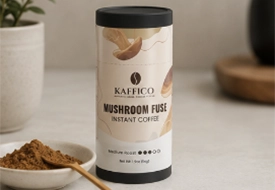
The formula uses single-origin Arabica coffee sourced from Papua New Guinea alongside organic Lion’s Mane and Chaga mushroom powders.
Formula Transparency 4.6/5
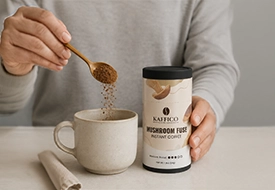
The product clearly identifies its 70% coffee, 15% Lion’s Mane, and 15% Chaga formula and provides serving, preparation, and storage instructions.
Safety Profile 4.7/5
The brand lists several dietary and quality standards, including gluten-free, non-GMO, vegan, vegetarian, lactose-free, and allergen-free.
Kaffico Velvet Cocoa Coffee – Best Chocolate-Forward Colombian Alternative
Overall Rating:
*All the prices listed here are as they appear on their websites and are subject to change.
- Cocoa, cane sugar, and soft chocolate notes, with no added artificial flavours.
- Sourced from Colombian Arabica beans grown in Huila and Cauca.
- Medium roast offers a smooth, rounded cup with a mellow finish.
- Suitable for espresso, pour-over, drip, French press, and cold brew.
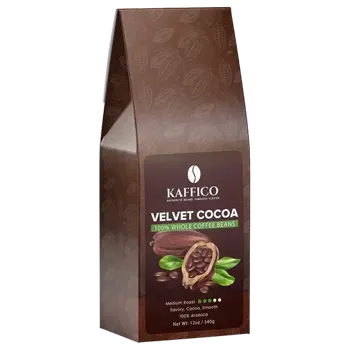
Velvet Cocoa is an approachable choice for anyone who enjoys chocolatey coffee with a little natural sweetness. Kaffico uses high-altitude Colombian Arabica beans and a balanced medium roast to create warm cocoa notes, a rounded body, and a clean finish. The brand describes its acidity as low to gentle. It offers a Colombian alternative for readers who prefer chocolate notes over the brighter, fruitier character of many Ethiopian coffees.
- Form: Coffee beans for grinding before brewing
- Type: Chocolate-Forward Colombian Coffee
- Roast Level: Medium
- Flavor Notes: Cocoa, cane sugar, soft chocolate
- Brand: Kaffico
- Benefit: Naturally occurring caffeine for alertness and a smooth everyday coffee experience
- Bean Origin: Huila and Cauca, Colombia
- Ingredients: Arabica coffee beans; no artificial flavors
- Price: $29.00 per bag
Pros
- Chocolate-forward flavor without artificial flavoring
- Colombian Arabica sourced from two named growing regions
- Smooth, medium-bodied profile with a mellow finish
- Listed as gluten-free, vegan, and non-GMO
- Positive customer feedback on flavor and smoothness
Cons
- Gentle chocolate notes may feel subtle to those expecting an intensely flavored coffee
- Requires grinding and brewing equipment
- Exact caffeine content is not provided
My New Chocolatey Favorite
This is exactly the kind of medium roast I look for. Smooth, mellow, and naturally chocolatey with just enough sweetness. It’s easy to drink every morning. — Christine T
Recommended
Kaffico coffee surprised me in the best way. The beans grind perfectly and brew into a full-bodied, flavorful cup with a natural sweetness and no harsh aftertaste. Whether I drink it black or with a bit of milk, the flavor stays rich and smooth. — Tako G
Kaffico Velvet Cocoa Coffee brings together warm chocolate notes, Colombian sourcing, and a smooth medium roast. Its cocoa and cane sugar tasting notes offer a comforting flavor profile without artificial flavoring. With several brewing options and customer feedback highlighting its mellow character, it’s an appealing choice for everyday drinking. Within this Ethiopian coffee guide, it belongs as a Colombian alternative for readers who favor a rounder, chocolate-forward cup.
Why It Earned a Spot on Our List
Velvet Cocoa offers useful sourcing details and a familiar flavor profile for readers interested in exploring an alternative origin.
What stood out about this product to us
- Colombian Arabica beans from Huila and Cauca
- Cocoa, cane sugar, and soft chocolate tasting notes
- Balanced medium roast with a smooth, rounded body
- Small-batch roasting and fresh packing, according to the brand
- Customer feedback highlighting smoothness and natural sweetness
- Gentle acidity with a clean, mellow finish
- Suitable for espresso, pour-over, drip, French press, and cold brew
- No artificial flavors, according to the brand
Velvet Cocoa makes its appeal easy to understand: warm chocolate aromas, a mellow finish, and flexibility across different brewing methods. Its named Colombian growing regions also give buyers more detail about where their coffee comes from.
Expert Evaluation
Reviewed by the Health Insiders Coffee Research Team
Our editors reviewed the bean sourcing, roast approach, and published customer feedback to assess how Velvet Cocoa’s chocolate-forward profile fits an everyday coffee routine.
Our Findings
The standout here is balance. Kaffico uses Colombian Arabica beans from Huila and Cauca, with a medium roast described as bringing out cocoa, cane sugar, and soft chocolate notes. Its rounded body and mellow finish give it an approachable character, while customer feedback highlights smoothness and natural sweetness.
What Our Tester Says
Our tester of Kaffico Velvet Cocoa Coffee prefers a chocolate-forward morning cup that doesn’t need much sweetening. During a two-week comparison of drip and French press preparations, he found the drip version lighter and cleaner, while French press brought out a fuller texture. A splash of milk complemented the cocoa character without overwhelming it. He preferred it as a mellow breakfast coffee, especially on mornings when a brighter, fruitier cup felt less appealing
Ingredient Quality 4.8/5

Our reviewer noted that the Kaffico Velvet Cocoa Coffee contains Colombian Arabica beans from Huila and Cauca.
Formula Transparency 4.8/5

According to the tester, the product information clearly identifies Colombian Arabica beans and a simple ingredient list without artificial flavoring.
Safety Profile 4.7/5

The brand lists the coffee as free from artificial flavoring and common allergens. Individual caffeine tolerance and digestive comfort may vary.
Kaffico Rich Hazelnut Coffee – Best Nutty and Sweet Coffee Alternative
Overall Rating:
*All the prices listed here are as they appear on their websites and are subject to change.
- Roasted hazelnut, maple sweetness, and subtle citrus create a balanced flavor profile.
- Made with Brazilian and Mexican Arabica beans from five named varietals.
- Medium roast offers a smooth body with gentle, balanced acidity.
- Versatile enough for drip, French press, espresso, or cold brew.
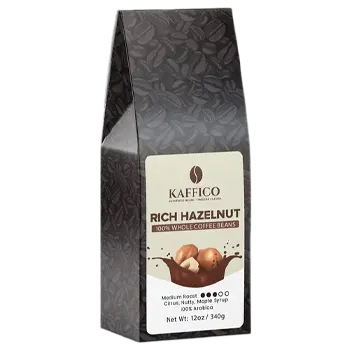
Rich Hazelnut brings together the warm, nutty character of Brazilian and Mexican Arabica beans with maple sweetness and a subtle citrus edge. Kaffico uses a medium roast to create a smooth, medium-bodied cup with a clean finish and lingering nutty notes. For those exploring alternatives to Ethiopian coffee, it offers a familiar flavor profile with enough brightness to keep each cup interesting.
- Form: Whole bean
- Type: Hazelnut-Forward Arabica Coffee
- Roast Level: Medium
- Flavor Notes: Roasted hazelnut, maple sweetness, subtle citrus
- Brand: Kaffico
- Benefit: Naturally occurring caffeine for alertness and a smooth daily coffee routine
- Bean Origin: Brazil and Mexico
- Ingredients: Arabica coffee beans; the page also mentions roasted hazelnuts, so added ingredients need clarification
- Price: $29.00 per bag with the one-bag subscription*
Pros
- Warm hazelnut character balanced with maple sweetness and citrus
- Brazilian and Mexican Arabica blend with named varietals
- Smooth, medium body with a clean, nutty finish
- Listed as gluten-free, vegan, and non-GMO
- Strong customer ratings and positive flavor feedback
Cons
- Subtle citrus notes may surprise those expecting an entirely sweet, nutty cup
- Whole bean format requires grinding before brewing
- Ingredient wording needs clarification regarding actual hazelnut content
Nutty, Smooth, and Easy to Love
The hazelnut character is exactly what I hoped for—warm and nutty without overpowering the coffee. It has a smooth body and a really pleasant finish. — Maria C.
Great coffee every time
Great coffee every time. The hazelnut flavor is smooth, not too overpowering, and the sweetness is just perfect. — Pedro M.
Kaffico Rich Hazelnut Coffee combines warm nutty notes, maple sweetness, and a touch of citrus in a smooth medium roast. Its Brazilian and Mexican Arabica blend offers a rounded everyday cup, while several brewing options make it easy to fit into an existing routine. It’s an appealing alternative for readers who enjoy a sweeter, nutty profile alongside their exploration of Ethiopian coffees.
Why It Earned a Spot on Our List
Rich Hazelnut brings together useful sourcing details, flexible preparation, and a flavor profile that customers consistently describe as smooth and balanced.
What stood out about this product to us
- Brazilian and Mexican Arabica blend
- Bourbon, Typica, Catuaí, Catucaí, and Mundo Novo varietals
- Roasted hazelnut, maple sweetness, and subtle citrus notes
- Medium roast with a smooth body and clean finish
- Positive customer feedback on sweetness and nutty flavor
The combination of named bean varietals and clear brewing guidance gives buyers useful information before purchasing. Its warm hazelnut character offers familiarity, while the subtle citrus finish adds another layer to the cup.
Expert Evaluation
Reviewed by the Health Insiders Coffee Research Team
Our editors reviewed the bean sourcing, roast approach, and customer feedback to assess how Rich Hazelnut’s nutty sweetness and smooth medium roast fit an everyday coffee routine.
Our Findings
The standout here is balance. Kaffico combines Brazilian and Mexican Arabica beans with a medium roast described as bringing out roasted hazelnut, maple sweetness, and subtle citrus. Customer comments highlight a smooth body and a pleasant finish, supporting its appeal for people who enjoy a nutty cup without an overpowering flavor.
What Our Tester Says
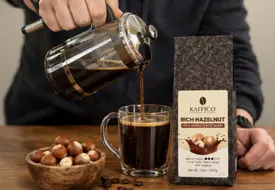
Our tester of Kaffico Rich Hazelnut Coffee usually adds a little sweetened creamer to their morning cup. After two weeks of daily brewing, he found the nutty character and maple-like sweetness enjoyable with just a splash of milk. Drip preparation produced a cleaner, brighter finish, while French press gave the coffee a fuller texture. He preferred the French press version with breakfast.
Ingredient Quality 4.8/5

Our reviewer noted the hazelnut character and maple-like sweetness came through clearly in both drip and French press, without needing sugar to round out the cup.
Formula Transparency 4.8/5
The product page identifies Brazilian and Mexican origins and five Arabica varietals. Its mention of roasted hazelnuts needs clarification against the ingredient listing.
Safety Profile 4.7/5

The brand lists gluten-free, vegan, and non-GMO standards. Actual hazelnut content and allergen information require confirmation.
Other Coffees That Nearly Made Our List
Beyond our main picks, these coffees offer different origins, flavor profiles, and brewing options. The selections below have their own strengths, and depending on your taste and daily routine, one might still be worth a look.
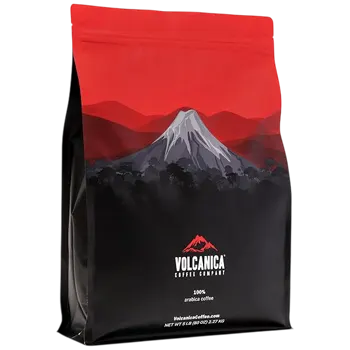
Volcanica Papua New Guinea Peaberry Coffee – Best Bulk Whole-Bean Alternative
Our Rating
Volcanica’s Papua New Guinea Peaberry Coffee is a washed, sun-dried Arabica offered in a five-pound whole-bean bag. The brand describes dark chocolate, aromatic wood, mango, and papaya notes. Its origin and processing are clear, but roast level, price, and product-specific customer feedback are missing. It offers an interesting flavor alternative, though no measured acidity data confirms it as a low-acid choice.
Key Specs
- Form: Whole bean
- Type: Papua New Guinea Peaberry Coffee
- Roast Level: Medium Roast
- Brand: Volcanica Coffee
- Benefit: Whole-bean format for fresh grinding and control over preparation
- Bean Origin: Papua New Guinea
- Ingredients: 100% Arabica coffee
- Price: $142.45
- Where to Buy: Amazon
Volcanica Papua New Guinea Peaberry Coffee Pros & Cons
Pros
- Identifies Papua New Guinea as the coffee’s origin
- Discloses washed processing and sun drying
- Brand-described dark chocolate and tropical-fruit notes
- Five-pound format suits households that use coffee regularly
Cons
- No measured acidity or product-specific low-acid claim is supplied
- Requires a grinder and brewing equipment
- Large bag requires careful storage to preserve freshness
- Tropical-fruit notes may not appeal to those who prefer a classic nutty coffee
Volcanica Papua New Guinea Peaberry Coffee Customer Reviews
Rich flavor, large commitment
I enjoy chocolatey coffee with a little fruit character, so this style appeals to me. The five-pound bag would be a big commitment for my household, though. I’d prefer trying a smaller bag before buying this much. — Deborah H.
Useful details, a few unanswered questions
I appreciate knowing the origin and processing method before buying beans. I’d still want the roast level and a clear price before ordering. Those details matter when I’m comparing a large bag with my usual weekly coffee purchase. — Anthony R.
Summary: Volcanica Papua New Guinea Peaberry Coffee offers clear origin and processing details, a chocolate-and-fruit flavor description, and a bulk whole-bean format. Missing roast, price, and acidity information makes it harder to compare confidently. It belongs here as an alternative to investigate rather than a confirmed low-acid recommendation.
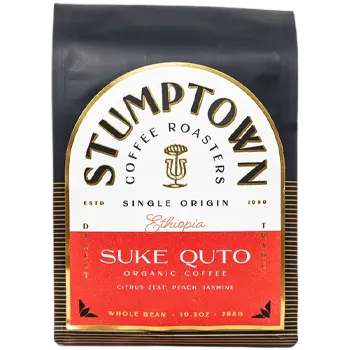
Stumptown Ethiopia Suke Quto – Best Ethiopian Coffee for Floral and Citrus Notes
Our Rating
Stumptown Ethiopia Suke Quto is a certified organic, single-origin coffee from producer Tesfaye Bekele in Ethiopia’s Guji Zone. Citrus, sweet peach, and jasmine notes give it a crisp, floral profile. Stumptown has sourced organic coffee from Suke Quto since 2010. Customer feedback is mostly positive, though one reviewer found little difference from their usual Ethiopian coffee. The supplied page lists it as out of stock, limiting immediate availability.
Key Specs
- Form: Coffee beans
- Type: Single-Origin Ethiopian Coffee
- Roast Level: Not specified in the supplied text
- Flavor Notes: Citrus, peach, jasmine
- Brand: Stumptown Coffee Roasters
- Benefit: A crisp, floral coffee experience for exploring Ethiopian-origin flavours
- Bean Origin: Suke Quto, Guji Zone, Ethiopia
- Ingredients: Coffee
- Price: $23.00 for 10.5 oz*
- Where to Buy: Amazon
Stumptown Ethiopia Suke Quto Pros & Cons
Pros
- Certified organic with Direct Trade sourcing
- Identifies the producer and growing location
- Distinct citrus, peach, and jasmine tasting notes
- Suggested for drip, pour-over, and espresso
Cons
- Listed as out of stock on the supplied page
- Bright, floral profile may not suit drinkers who prefer heavier chocolate notes
- Processing method and bean varieties are not specified
- One reviewer found it difficult to distinguish from their regular Ethiopian coffee
Stumptown Ethiopia Suke Quto Customer Reviews
Suke Quto – perfect!
We love this coffee! It’s perfectly roasted, and the profile is right on the mark! — Zmac
New coffee
It’s quite good, but hard to tell any difference from my regular Ethiopian morde… — Michael
Summary: Stumptown Ethiopia Suke Quto offers clear Ethiopian sourcing, organic certification, and a crisp citrus-and-floral profile. Its named producer and longstanding sourcing relationship add useful transparency. However, limited availability and a flavor profile that favors brightness over heavier roasted notes make it a more specific choice for drinkers who already enjoy this style of Ethiopian coffee.
Best Ethiopian Coffee Beans Comparison Table
| Products |  |  | 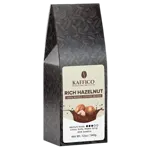 Kaffico Rich Hazelnut Coffee |
| Rating | 4.9 |  4.8 | 4.8 |
| Cost | $33* per bag | $29.00* per bag | $29.00* per bag |
| Type | Functional Mushroom Coffee | Chocolate-Forward Colombian Coffee | Hazelnut-Forward Arabica Coffee |
| Best For | Best Functional Instant Coffee with Lion’s Mane & Chaga | Best High-Altitude Colombian Medium Roast for Cocoa Notes | Best Smooth Medium Roast for Nutty Maple Sweetness |
| Recommended | Expert’s Recommended | Highly Recommended | Worth Considering |
| Money Back Guarantee | Return on the first order of a single pack only | Return on the first order of a single pack only | Return on the first order of a single pack only |
| Buy | Buy Now | Buy Now | Buy Now |
How Does Ethiopian Coffee Work?
The caffeine side works the way coffee always has: it blocks adenosine receptors in the brain, helping you feel more awake. The Ethiopian character comes from the beans themselves, with their growing conditions, processing, and roasting shaping the flavors you notice in each sip.
Washed coffee has the fruit removed before drying, often bringing out clean floral and citrus notes. Natural-process coffee dries inside the cherry, which can develop a fuller, fruitier character. Brewing brings those qualities into your cup. Grind size, water temperature, and brewing time affect how much flavor is extracted, so the same beans can taste quite different with a few recipe changes.
Together, the beans and brewing method create the aroma, flavor, and familiar caffeine lift. Ethiopian origin alone does not determine caffeine strength or guarantee steadier energy. Mushroom Fuse offers a different experience: its Papua New Guinea coffee base comes in an instant blend with Lion’s Mane and Chaga powders. You mix it with water rather than brew ground beans, and its mushroom ingredients should be considered separately from coffee’s established caffeine effects.
Key Features To Look For In The Best Ethiopian Coffee
Region and Producer
Look for a named growing area such as Yirgacheffe or Guji. A producer, cooperative, or washing station adds detail beyond the country name. Stumptown’s Suke Quto information, for example, identifies Tesfaye Bekele and describes the surrounding grower network.
Processing Method
Washed and natural coffees can offer quite different experiences. Read the actual tasting notes alongside the processing method rather than assuming every washed coffee is delicate or every natural coffee tastes strongly of berries.
A review of coffee processing research explains how postharvest handling can influence the aroma compounds that contribute to the finished cup.[1]
Roast Level
A light or medium roast is a useful starting point for exploring origin flavors. Choose according to your preferences, though. Someone who enjoys a rounded, fuller cup may prefer a different roast from someone seeking delicate floral aromas.
Freshness and Format
Check the roast date, package size, and storage directions. Whole beans suit buyers with a grinder; preground coffee saves time. For instant blends, the serving count and instructions after opening may be more useful than applying whole-bean freshness rules.
Benefits of Ethiopian Coffee
The main reason to choose Ethiopian coffee is the drinking experience. Its range of styles gives curious coffee drinkers plenty to compare without adding sweeteners or buying flavored blends.
- Offers a Wide Flavor Range: Depending on the lot, coffee can bring out floral, citrus, berry, or deeper fruit notes. These descriptions help narrow your choices rather than promise an identical taste in every cup.
- Makes Origin Easier to Explore: Regional and producer details turn a broad category into something more specific. You can compare two coffees and learn which qualities you enjoy.
- Fits Different Brewing Routines: Ethiopian beans can be prepared using several methods. The most useful choice is one that suits your equipment and the texture you prefer.
- Provides Familiar Caffeine Effects: Caffeinated coffee can help with alertness, but the amount you drink and your sensitivity matter more than the origin alone.
- Encourages More Thoughtful Buying: Reading sourcing, processing, and freshness information can help you choose a bag for its actual qualities rather than its packaging or popularity.
How To Choose The Best Ethiopian Coffee
Check the Actual Origin: The label should identify Ethiopia as the growing country. Similar tasting notes from Colombia, Mexico, or Papua New Guinea do not change a coffee’s origin.
Match the Flavor to Your Preferences: Start with notes you already enjoy. Citrus and floral descriptions may appeal to someone seeking a lighter cup, while berry or wine-like descriptions offer another direction to explore.
Read the Processing Details: Use processing as one clue alongside roast and tasting notes. If a seller lists conflicting information, ask which description applies to the current lot.[2]
Choose the Right Format: Whole beans offer control over grinding. Ground coffee is easier for a fixed brewing method. Instant blends offer convenience, but check whether added ingredients fit your preferences.
Check Freshness and Storage: Choose a quantity you can use comfortably. Store coffee tightly closed, away from heat, moisture, and strong light, following the seller’s directions.
Compare the Cost of Your Actual Cup: Package sizes differ. Divide the purchase price by the number of servings your recipe produces. For Mushroom Fuse, the six-bag subscription is about $0.98 per standard serving before shipping or tax, while a two-teaspoon drink costs roughly twice as much.
Is Ethiopian Coffee Safe?
For most healthy adults, ordinary coffee can fit into a balanced routine, but caffeine tolerance varies. The FDA cites 400 mg daily as an amount not generally associated with negative effects for most adults.[3] Count caffeine from all sources, and reduce intake if it affects sleep or causes uncomfortable symptoms.
Pregnancy requires separate guidance; EFSA identifies 200 mg daily from all sources as an intake that does not raise concern for the fetus. [4]
Mushroom blends add separate considerations. High Chaga intake has been linked to kidney injury in case reports.[5] People with kidney disease, mushroom allergies, or medication concerns should seek individual guidance before using such blends.
Who Should Consider Using Ethiopian Coffee?
Ethiopian coffee is a good place to start if you already enjoy coffee and want to explore more aroma, fruit character, or a different texture. It suits people who like comparing origins and are willing to try a few bags before settling on a favorite.
You do not need complicated equipment to begin. Ground coffee matched to your brewer can be a practical first purchase, while whole beans give you more control if you own a grinder.
Someone who mainly wants speed may prefer an instant option such as Mushroom Fuse. Someone who wants Ethiopian origin should choose an Ethiopian-labeled product. Personal taste, preparation time, caffeine tolerance, and budget can guide that decision together.
Final Verdict
The best Ethiopian coffee beans suit your taste and fit your daily brewing routine. Whether you enjoy floral aromas, bright citrus, or deeper berry notes, looking at the region, processing method, and roast level can help you find a cup you look forward to drinking.
Clear sourcing details and fresh information make choosing easier. Look for a stated origin, useful tasting notes, and a package size you can comfortably finish while the coffee is fresh.
Start with the flavors you already enjoy, then try different regions or processing styles as you get more familiar with Ethiopian coffee. Small changes to your grind and brewing recipe can also help you get more from each bag.
Frequently Asked Questions
Q: What does Ethiopian coffee taste like?
A: Ethiopian coffee can have floral, citrus, berry, or wine-like notes. Its flavor depends on the growing region, processing method, roast level, and brewing recipe. Some cups are light and delicate, while others have a fuller, fruitier character.
Q: What is Yirgacheffe coffee?
A: Yirgacheffe coffee comes from a growing area in southern Ethiopia. It is often known for floral aromas, citrus notes, and a tea-like body. Washed and naturally processed coffees from this area can offer different flavor profiles.
Q: Is Ethiopian coffee Arabica or Robusta?
A: Ethiopia is the native home of Arabica, and Ethiopian specialty coffee is generally Arabica. Different local varieties contribute to its range of flavors, along with growing conditions, processing, and roasting.
Q: What is the best Ethiopian coffee region?
A: The best region depends on your preferences. Yirgacheffe is often associated with floral and citrus notes, Guji with fruit-forward flavors, Sidama with balanced fruit and sweetness, and Harrar with a fuller, wine-like character. Individual coffees still vary.
Q: What roast is best for Ethiopian coffee?
A: Light to medium roasts are useful starting points for exploring Ethiopian coffee’s floral and fruity qualities. Medium roasts can offer more roasted sweetness and body. Choose according to your taste and preferred brewing method.
Q: How should I brew Ethiopian coffee?
A: Pour-over, drip, and French press can all work well. Start with a recipe suited to your brewer, use consistent measurements, and adjust the grind gradually. Taste the coffee before changing several brewing variables at once.

Marissa Ford
Marissa Ford is a registered dietitian and clinical nutrition expert specializing in healthy living, clinical nutrition, and personalized wellness, delivering evidence-based guidance to support long-term health.
Willem Boot
Willem Boot is a specialty coffee consultant, certified Q Arabica instructor, and founder of Boot Coffee, specializing in coffee roasting, sensory evaluation, professional training, and high-altitude Gesha coffee cultivation.

Olivia Cavin
Olivia Cavin is a coffee lover & product tester who evaluates coffee products based on flavor, preparation, consistency, and drinking experience she received from the coffee.

Tamar Gelashvili
Tamar Gelashvili is a product tester and coffee enthusiast who evaluates coffee products based on flavor, preparation, consistency, and everyday drinking experience.
5 Sources
Health Insiders relies on peer-reviewed studies, academic research institutions, and medical associations. We avoid using tertiary references. You can learn more about how we ensure our content is accurate and current by reading our editorial policy.
[1] Spilling the Beans: How Much Caffeine is Too Much? | FDA https://www.fda.gov/consumers/consumer-updates/spilling-beans-how-much-caffeine-too-much
[2] Caffeine | EFSA https://www.efsa.europa.eu/en/topics/topic/caffeine
[3] Chaga mushroom-induced oxalate nephropathy that clinically manifested as nephrotic syndrome: A case report - PMC https://pmc.ncbi.nlm.nih.gov/articles/PMC8913114/
[4] Exploring the impacts of postharvest processing on the aroma formation of coffee beans - A review - PubMed https://pubmed.ncbi.nlm.nih.gov/30309567/
[5] Changes in sensory quality characteristics of coffee during storage - PubMed https://pubmed.ncbi.nlm.nih.gov/24804030/
Was This Article Helpful ?
![Agree - Yes]() Yes
- No
![Disagree - No]()
 Yes


Health Insiders Team
The Health Insiders Team takes pride in bringing you the latest in nutritional research, skincare, healthy living, and wellness hacks. [Read Full Bio]
 Marissa Ford, MS, RD, LD
 See Our Editorial Process
 Meet Our Review Board






 This article changed my life!
 This article was informative.
 I have a medical question.
 Ask a Question

 This article contains incorrect information.
 This article doesn’t have the information I’m looking for.